The FIFA World Cup 2026 moved into its second full day of competition on Thursday, with group stage matches played across stadiums in the United States, Canada, and Mexico as the tournament’s expanded 48-team format delivered its first full round of results to a global audience.
The matches on Thursday included contests from Groups B, C, and D, continuing the format that sees three or four matches played each day during the early group stage. The expanded tournament, the first to use 48 teams and 104 matches across six weeks, is being watched as a test of whether the larger format maintains the competitive intensity of previous editions.
Early group stage matches have produced some of the tournament’s most-watched results, with several established nations struggling against opponents they were expected to beat comfortably. The 48-team format brings in more nations from Africa, Asia, and the Americas, giving those confederations a larger share of spots and creating more opportunities for upsets that have defined this early stage.
Attendance figures for the first two days have exceeded expectations. FIFA confirmed that sold-out crowds at several US venues were among the largest ever recorded for a World Cup group stage match, reflecting the strong local interest in soccer across major US cities that host tournament games. The cities of Atlanta, Dallas, Los Angeles, Miami, New York, Philadelphia, San Francisco, Seattle, and Kansas City are all hosting matches during the group phase.
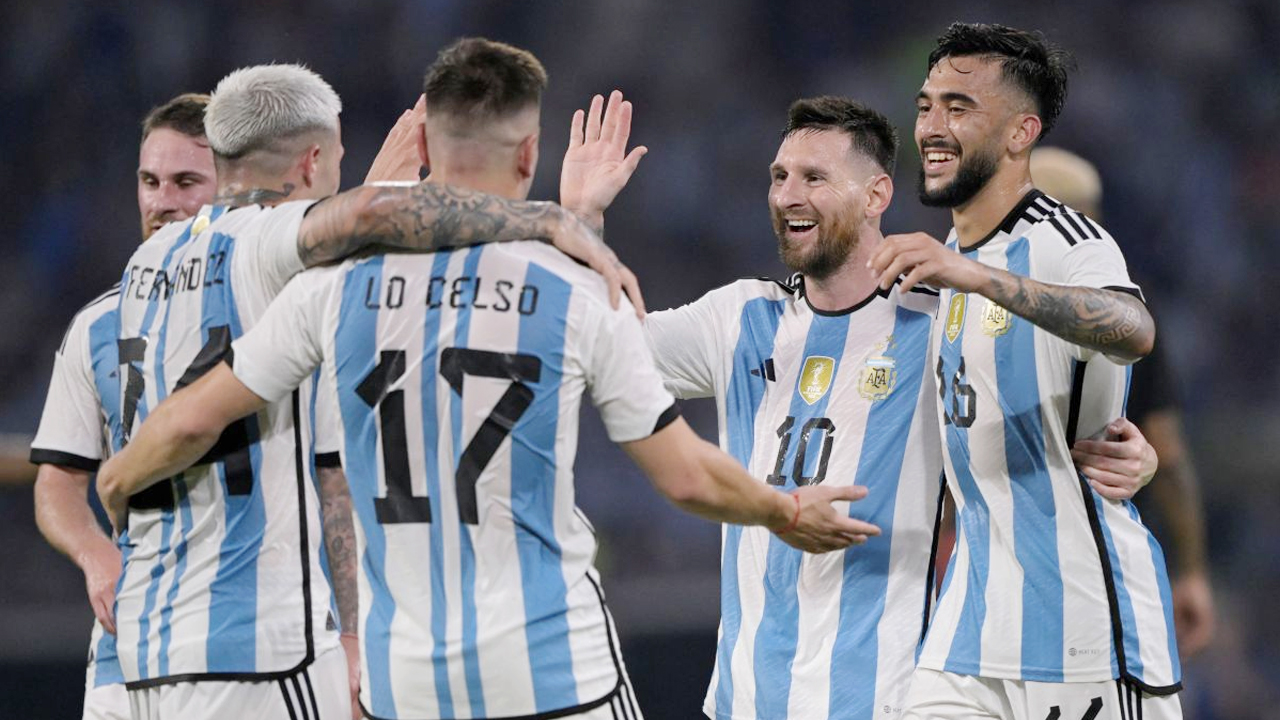
The Canadian and Mexican host cities are also drawing strong attendances. Toronto and Vancouver are hosting matches in Canada, while Guadalajara, Monterrey, and Mexico City are the Mexican venues. FIFA has described the three-nation hosting arrangement as the most logistically complex in World Cup history.
Broadcasting rights deals for the 2026 tournament shattered previous records. FIFA confirmed earlier this year that total rights revenue from the 2026 cycle exceeded the combined totals of the three previous World Cups. Streaming platforms are playing a larger role than in previous editions, with several rights packages split between traditional broadcasters and digital streaming services.
The group stage runs through June 26, with the round of 32 beginning June 27. The knockout rounds build to a final scheduled for July 19 at the MetLife Stadium in East Rutherford, New Jersey.
Official match results, fixtures, and standings are published on the FIFA official website. Tournament coverage and analysis is being enhanced by broadcast technology improvements discussed in recent reporting on Sony’s A7R VI camera system, widely used by sports broadcast teams. Fan experience apps for the World Cup are being developed on platforms covered in analysis of iOS 27 and the Google Pixel 11.

Follow iNews Zoombangla On Google
Open the Google follow page and tap the checkmark option to receive more updates from iNews Zoombangla in your Google news feed.