Google announced new AI-powered enterprise tools designed to boost productivity across businesses. The suite includes updates to Google Workspace, advanced search capabilities powered by Gemini, and industry-specific AI applications. Google targets enterprises locked into Microsoft Office ecosystems, positioning AI as a competitive advantage that justifies switching costs.
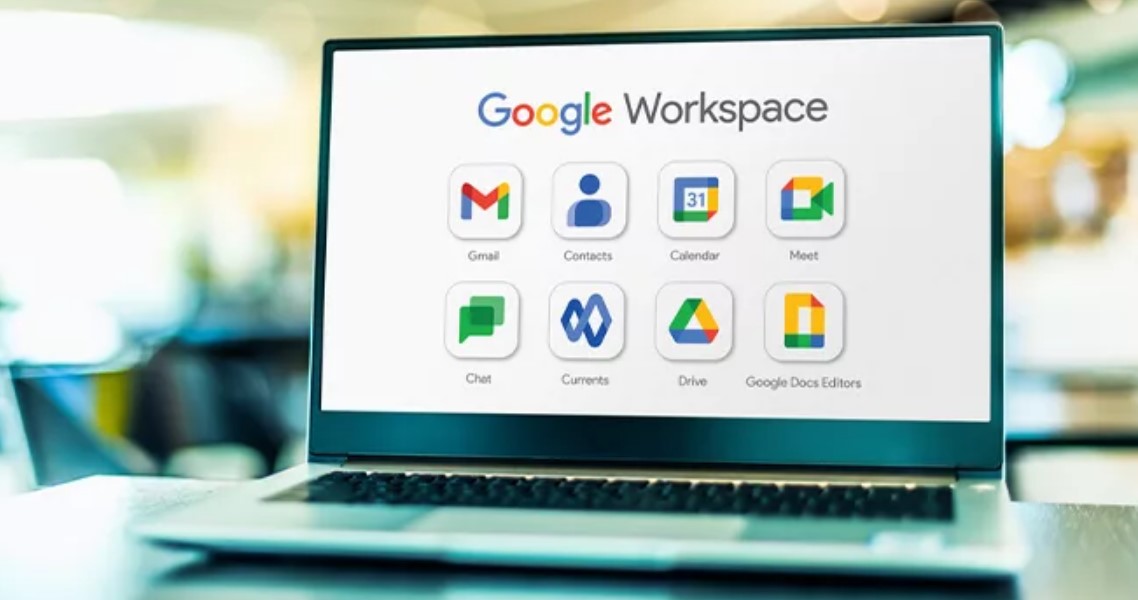
Google’s enterprise AI strategy differs from Microsoft’s. Microsoft embeds Copilot into Office 365 (Word, Excel, Outlook, Teams). Google bundles AI across Workspace apps while offering standalone enterprise solutions. Both companies race to demonstrate ROI—customers need clear evidence that AI features justify licensing costs and team retraining.
Workspace AI Updates
Google Docs now uses AI to draft documents from brief prompts. Gmail filters and prioritizes using content understanding. Sheets supports AI-generated formulas and data analysis. Slides auto-generates diagrams and speaker notes. Each feature aims to reduce routine work and free employees for higher-level thinking.
The quality of AI suggestions varies. Google’s promise depends on Gemini understanding enterprise context—company jargon, workflows, data schemas. Out-of-the-box suggestions may feel generic. Customization and fine-tuning become critical for enterprise adoption.
Industry-Specific Solutions
Google partnered with healthcare, retail, and financial services firms to build vertical-specific AI tools. A healthcare AI might extract patient data and suggest documentation templates. Retail AI could forecast demand and optimize inventory. Finance AI automates reconciliation and audit trails.
Vertical AI is harder to commoditize than horizontal tools. Once a company deploys vertical AI, switching costs skyrocket. Google’s enterprise strategy bets that building domain expertise matters more than building breadth.
Competition and Market Position
Microsoft dominates enterprise productivity software. Slack dominates workplace messaging. Google’s advantage is search and information retrieval. Gemini-powered enterprise search could let employees find answers across all company data (emails, documents, chat history) in seconds. This information advantage translates to productivity gains other vendors struggle to match.
Adoption depends on IT departments approving tools and employees training on features. Major enterprise wins take 12–18 months. Google’s announcement today will influence enterprise purchasing discussions happening now for 2027 budget cycles.
Google’s enterprise play hinges on making AI so useful that companies choose Google despite Microsoft’s entrenched position. That’s the hardest problem in tech—not innovation, but migration.
FYI (keeping you in the loop)
Do these AI tools work with Gmail and Sheets I already have?
Yes. Google rolled out AI features to existing Workspace customers as updates. Premium AI features may require Workspace Business or Enterprise tier subscriptions.
References
Blog.google. (2026). Google AI Updates June 2026.
TechCrunch. (2026). Google Workspace AI Features Announcement.
The Verge. (2026). How Google’s AI Battles Microsoft Copilot in Workplace.

Follow iNews Zoombangla On Google
Open the Google follow page and tap the checkmark option to receive more updates from iNews Zoombangla in your Google news feed.