India has added a cybersecurity testing requirement for electric-vehicle battery management systems under an amendment to the AIS-156 standard. Autocar Professional reported the current rule change, while Indian Express and Mint have described the security risks around connected battery applications and the compliance implications for electric two- and three-wheelers.
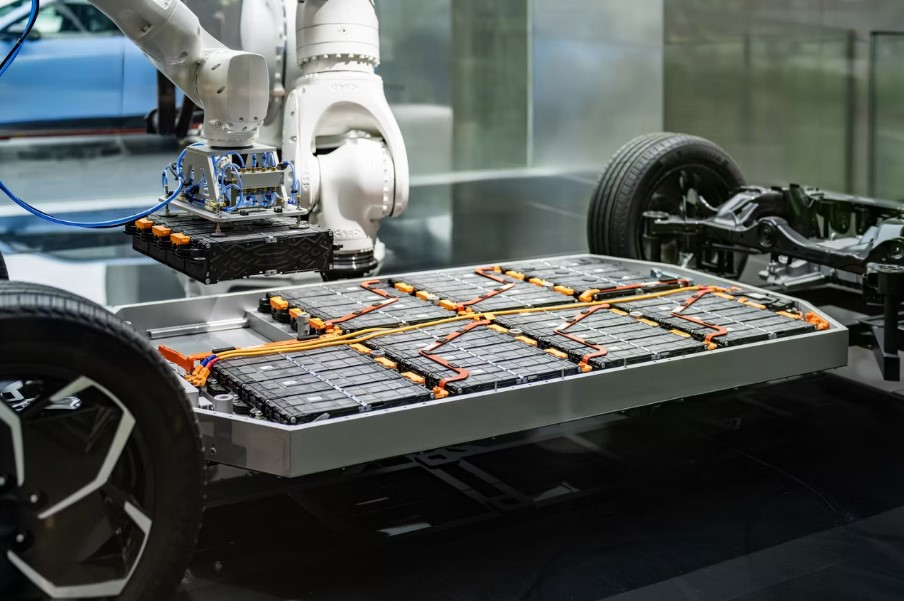
The amendment is aimed at systems that manage battery safety and communicate with other devices. Autocar Professional reports that the updated clause covers security testing for wireless interfaces such as Bluetooth and Bluetooth Low Energy when they can influence safety-critical functions. The requirement is focused on the battery management system, not on a general security label for every part of an electric vehicle.
A battery management system monitors conditions such as voltage, temperature and state of charge. If an app or connected service is allowed to send commands, weak authentication or poorly protected communications could create a path to misuse. Indian Express has reported earlier concerns about battery-draining apps and remote access in some electric-rickshaw systems, showing why connected battery controls need more than a basic user interface.
The new testing approach adds a formal check to the vehicle approval process. Manufacturers and suppliers will need evidence that the relevant wireless functions have been examined against the standard’s security expectations. The amendment does not mean every vehicle has already experienced an attack, and it does not identify a particular company as responsible for a failure.
Mint’s reporting places the change in the wider effort to improve safety and reliability as electric two- and three-wheelers become more connected. Software updates, smartphone apps and remote diagnostics can make vehicles easier to manage, but they also create new dependencies. A security test should therefore be paired with careful access control, update procedures and a clear plan for responding to vulnerabilities.
The rule is a technical compliance development rather than a consumer feature announcement. Buyers may not see a new button or app screen because of it, but the testing can influence which battery systems are approved for sale. Manufacturers should publish clear security support information, while users should install official updates and avoid unofficial applications that request control of battery functions.

Follow iNews Zoombangla On Google
Open the Google follow page and tap the checkmark option to receive more updates from iNews Zoombangla in your Google news feed.