A new Docklands Light Railway train has returned to passenger service in London after testing, marking another step in Transport for London’s long-running fleet renewal programme.
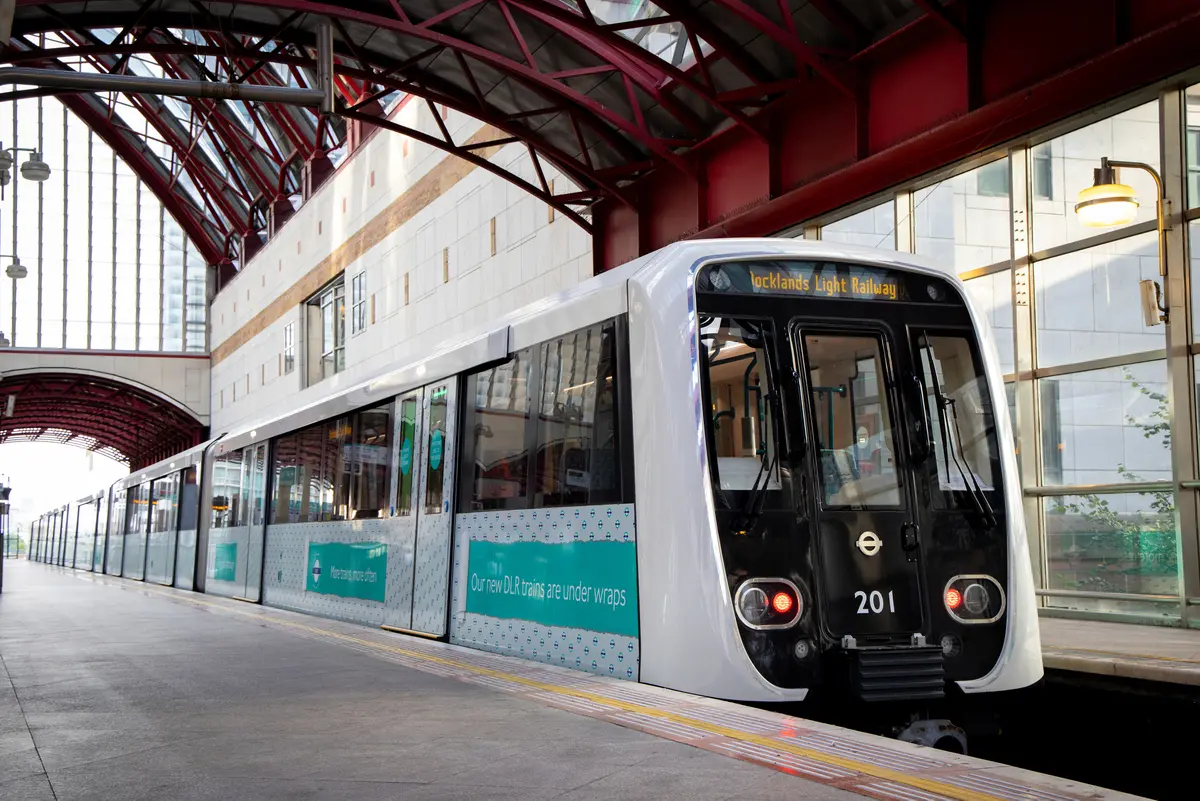
RailBusinessDaily reported on September 8 that the first of the new trains had returned to service after testing linked to a low-adhesion issue. The report described the return as a controlled step for a fleet that is being introduced while the existing DLR network continues to carry passengers across east and south-east London.
TfL says the programme covers 54 new trains. They are intended to replace the 33 oldest trains in the current fleet and to improve reliability as well as the passenger experience. The authority says the new units will provide more capacity and are designed to support more frequent services on the automated railway.
The DLR is a business system as much as a commuter service. Its trains connect residential areas with Canary Wharf, the City, London City Airport and other employment centres. A reliable service helps workers reach offices, supports airport journeys and gives employers a wider pool of potential staff.
TfL has said each new train can increase capacity by 10 percent compared with the older units. Once the full fleet is in operation, the authority expects more than half of the DLR fleet to be made up of the new trains. That change will take place over time rather than in one large switch.
The latest return also shows why a new fleet cannot be judged only by its launch date. Operators must test trains in real conditions, examine performance and resolve issues before increasing passenger use. Low adhesion can affect braking and acceleration, so a cautious testing process is important for both safety and service reliability.
Passengers should continue to check TfL travel information before making a time-sensitive journey. The service rollout will be gradual, and the number of new trains in daily operation will depend on testing, maintenance and the wider delivery schedule.
For London businesses, the key message is practical: the DLR renewal is moving forward, but its full benefit will arrive in stages. A larger and more reliable fleet could strengthen links between homes, workplaces and major transport hubs across the capital.
Sources: RailBusinessDaily, September 8, 2026; Transport for London, Improving the DLR.

Follow iNews Zoombangla On Google
Open the Google follow page and tap the checkmark option to receive more updates from iNews Zoombangla in your Google news feed.