Google has made Imagen 3 widely available across platforms. The advanced image generation model creates photorealistic pictures from text descriptions. Imagen 3 represents a major leap in AI image generation quality.
The model’s biggest achievement is rendering readable text in images. Previous AI tools failed at this consistently. Generators produced jumbled letters and misspelled words. Imagen 3 solves this problem through advanced training methods.
Users can generate images at multiple resolutions and aspect ratios. Options include 1024×1024 pixels, 3:4 portrait, 16:9 landscape. Different projects require different formats. Imagen 3 supports them all natively.
The model understands multiple languages. English, Chinese, Hindi, Japanese, Spanish support text generation. This multilingual capability opens Imagen 3 to global audiences. Researchers can work across languages seamlessly.
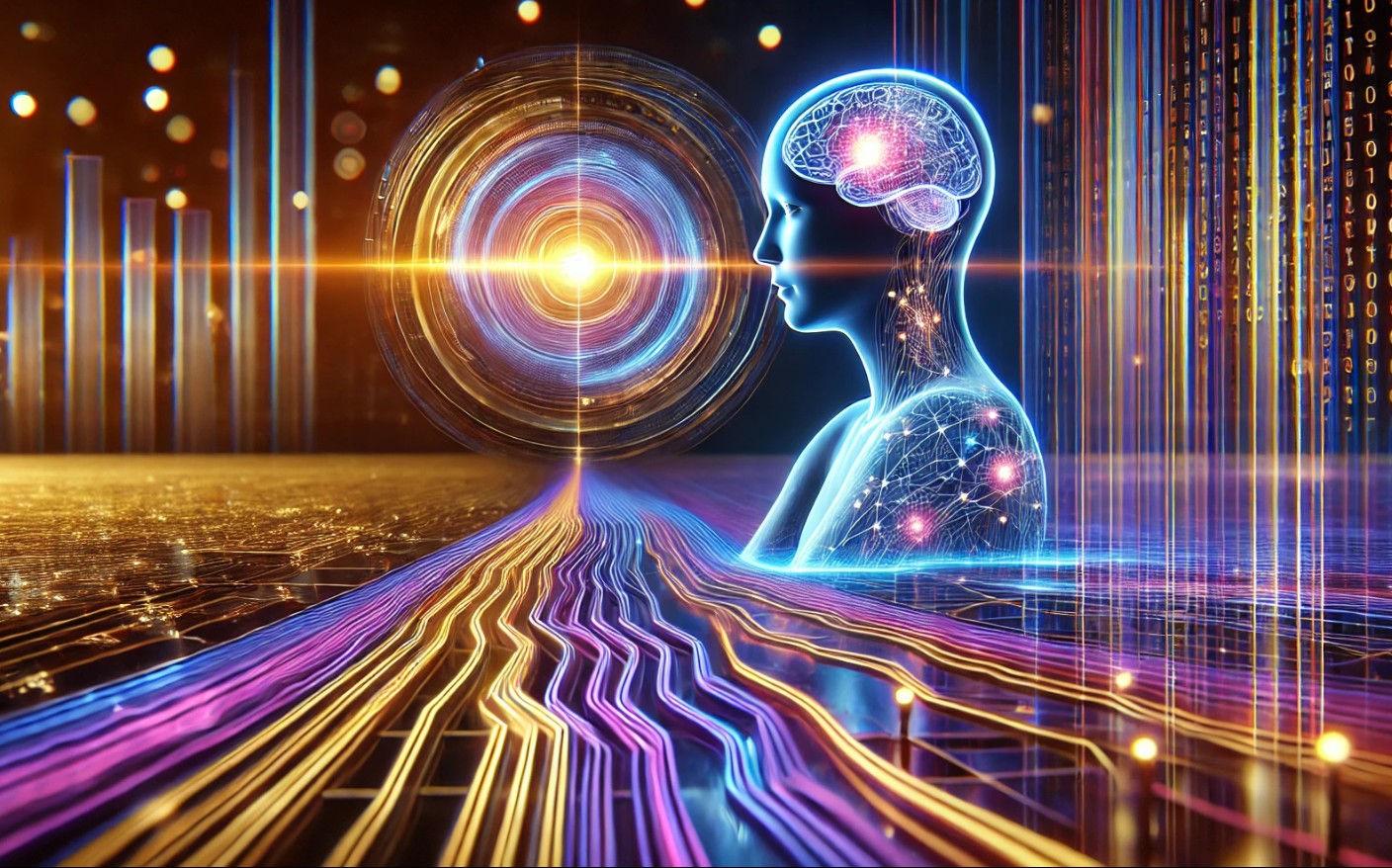
Video generation features also launched with Imagen 3. Users can create high-definition videos from text or image prompts. This video capability sets Imagen 3 apart from competitors. Most generators still focus solely on still images.
Safety features matter in AI image generation. Google embedded SynthID, an invisible watermark, into every Imagen 3 image. The watermark survives cropping and compression. This helps downstream users identify AI-generated content.
Image editing capabilities let users refine generated images. Mask-based editing changes specific regions. Text prompts guide what changes. Users can update product backgrounds or fix specific elements.
Professional use cases benefit most from these capabilities. Marketing teams need product thumbnails quickly. Design agencies require various aspect ratios. Imagen 3 accelerates workflows significantly.
Educational applications also expand with Imagen 3. Teachers can generate illustrations for lessons. Students can visualize concepts through AI-generated graphics. Visual learning improves retention.
The wider availability means more creators access Imagen 3. Google offers the model through Vertex AI, its enterprise platform. Individual developers can use it too. Cloud pricing determines costs.
Adoption rates will likely climb as awareness spreads. Image generation was niche technology years ago. Today it reaches mainstream audiences. Imagen 3 pushes the technology further forward.
Competitors like Midjourney and Stable Diffusion face increased pressure. Google’s resources give Imagen 3 advantages. The company can invest heavily in improvement. But competition drives all players to innovate faster.
Content creators worry about AI image generation replacing their work. But many professionals use these tools as starting points. Imagen 3 augments human creativity. It does not necessarily replace it.

Follow iNews Zoombangla On Google
Open the Google follow page and tap the checkmark option to receive more updates from iNews Zoombangla in your Google news feed.