Honda’s Super-N compact electric vehicle arrives on UK roads in July 2026, priced under £20,000. The car uses a Japanese-market kei car platform adapted for European buyers, combining small dimensions with practical interior space and zero-emission running.
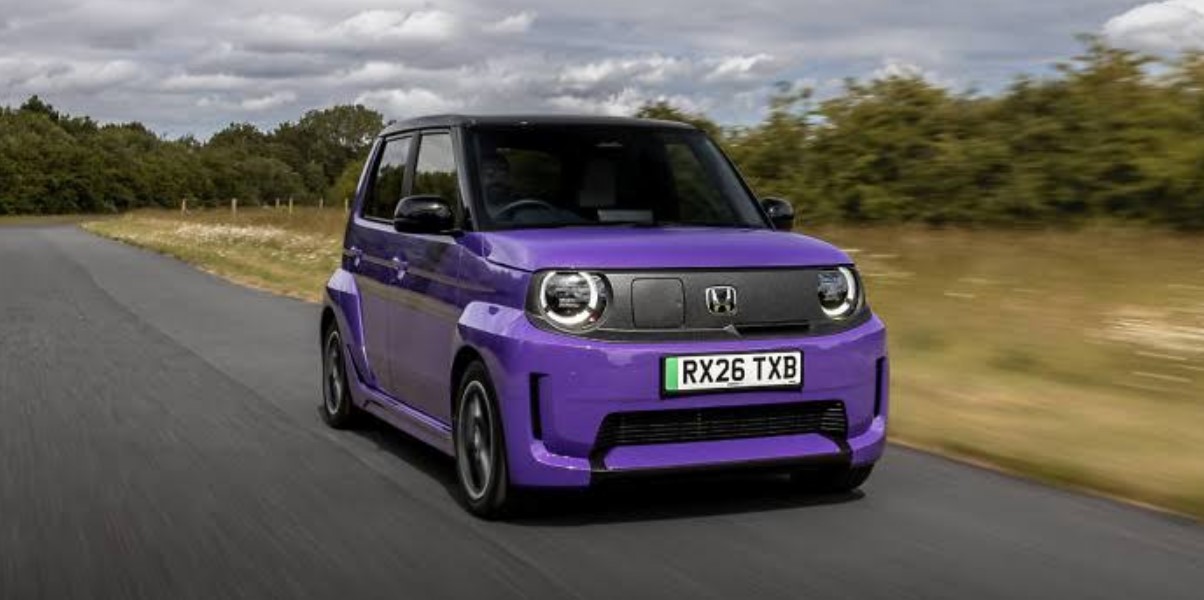
The timing matters. UK buyers face tightening fuel rules and rising petrol prices. Honda’s aggressive pricing for the Super-N aims to pull price-conscious buyers into the EV market before competitors fill the space. A compact EV under £20,000 with Honda’s reliability reputation is rare.
Design and Platform
Kei cars—Japanese vehicles under four meters long—use clever space management. The Super-N inherits this approach but adds modern EV architecture. Short wheelbase, upright roofline, and minimal overhangs mean real internal room despite the small footprint.
The car sits comfortably in urban driving. Tight parking, congested city centers, frequent stop-start traffic—the Super-N handles this environment better than a sedan would. The tradeoff is highway range and comfort on longer drives.
Market Position
Honda faces intense competition in the budget EV segment. Renault, Peugeot, and others already sell affordable electrics in Europe. Honda’s advantage is brand trust and proven dealer networks. The Super-N doesn’t have to be the cheapest—it has to feel reliable and worth the money.
The sub-£20,000 price point is critical. Government incentives help, but the base cost matters to entry-level buyers. Honda is betting affordability plus Honda reliability equals sales.
Honda Super-N sales begin July 2026 across the UK, targeting city drivers and commuters prioritizing cost and emissions over long-distance capability.

Follow iNews Zoombangla On Google
Open the Google follow page and tap the checkmark option to receive more updates from iNews Zoombangla in your Google news feed.