India’s ten-million EV outlook is less a question of whether buyers are interested than whether the country can build a charging and supply network that keeps pace with that interest. The number is best treated as a market scenario, not a guarantee that every vehicle will switch on a fixed date.
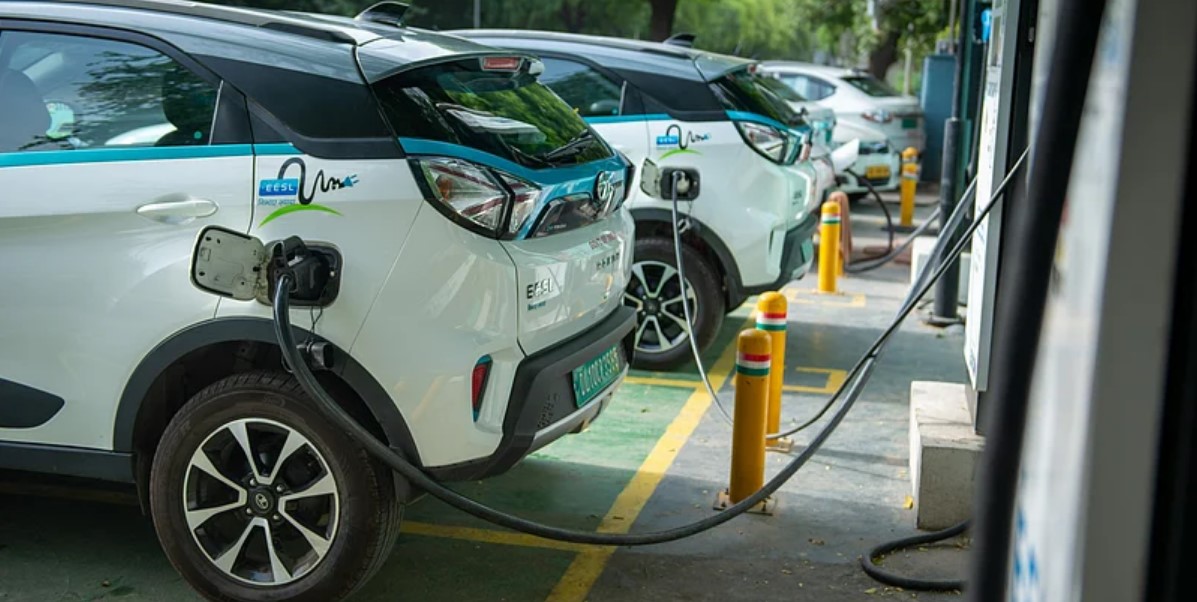
Public mobility research shows why the next phase will be mixed. Cars, two-wheelers, public transport and walking do not serve the same trips, and an electric vehicle that works for a city commute may not fit a long-distance route. Charging plans therefore have to be designed around the vehicle type, the journey and the time a driver can spend at a charger.
India’s Central Electricity Authority publishes electric-vehicle charging reports, giving planners a reference for how the network is developing. Those reports matter because the visible number of chargers is only one part of the system. Grid capacity, uptime, payment systems, parking access and maintenance all affect whether a charger is useful when a driver needs it.
Local supply chains are the other side of the outlook. Battery packs, power electronics, motors and charging equipment create demand for testing, software and service companies as well as for vehicle makers. A stronger local component base can shorten repair paths and reduce dependence on a single overseas source, but it also raises questions about quality, traceability and end-of-life handling.
The industry will also need better data. Charging operators can learn from session length, peak demand and repeat use, while vehicle makers can use service data to plan support. That information must be handled carefully, with clear limits on personal data and transparent terms for customers.
For consumers, the practical test is simple: can the vehicle be charged at home, at work or on the routes it normally travels? For policymakers and companies, the test is broader. India’s EV target will depend on reliable infrastructure, local technical capability and rules that make the network easier to trust.
The ten-million outlook is therefore a technology and operations challenge, not only a sales forecast. Progress will be measured by the quality and reach of the ecosystem around each vehicle.