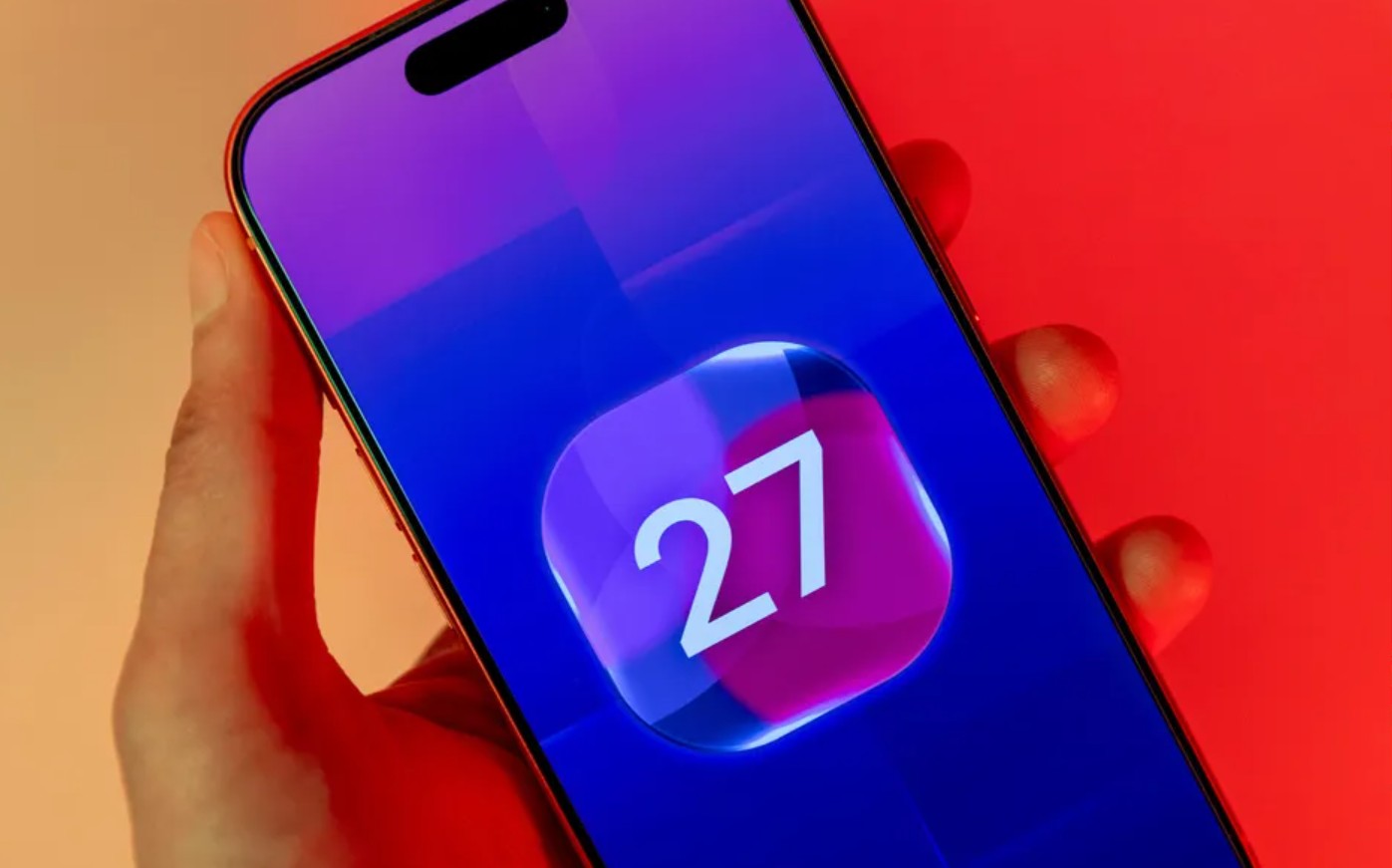
Apple rolled out the third iOS 27 beta with new Siri customization tools. Users can now adjust Siri’s voice pace and expressivity. The settings let you dial down Siri’s enthusiasm or speed up responses.
This sounds minor. It’s not. Voice assistants irritate users because they sound robotic or condescending. Apple is solving that with granular control. The company announced this at WWDC in June. The beta makes it real.
Voice Customization Solves a Real Problem
Siri has been the punchline since 2011. Android‘s Google Assistant felt smarter. Alexa felt more natural. Apple’s voice assistant lagged. iOS 27 doesn’t fix the lag, but customization helps users tolerate the voice they hear constantly.
Siri helps with timers, texts, navigation, and home automation. People use Siri daily. A voice that grates does damage. Apple knows this. The customization options are a band-aid. But band-aids on tiny wounds prevent infection.
AI Assistants Are Only as Good as Their Voices
ChatGPT’s mobile app has voice mode. Telegram’s bot framework supports voice. Every AI company is pouring money into voice interfaces. They’re easier than typing. They feel more natural than tapping screens.
But voice quality matters. Siri’s voice improved over years. It sounds more human than Alexa’s dull delivery. But it still sounds like a voice box reading a script. Customization options acknowledge that no voice pleases everyone.
The future of computing is voice. The future of voice is personalization.

Follow iNews Zoombangla On Google
Open the Google follow page and tap the checkmark option to receive more updates from iNews Zoombangla in your Google news feed.