Iran’s 440 kilograms of enriched uranium will remain in Tehran under the terms of the Islamabad Declaration as currently agreed, with all nuclear questions deferred to sixty days of follow-on talks. The omission is one of the most sensitive aspects of the deal and has drawn criticism from Israel, Saudi Arabia, and some Republican senators in Washington.
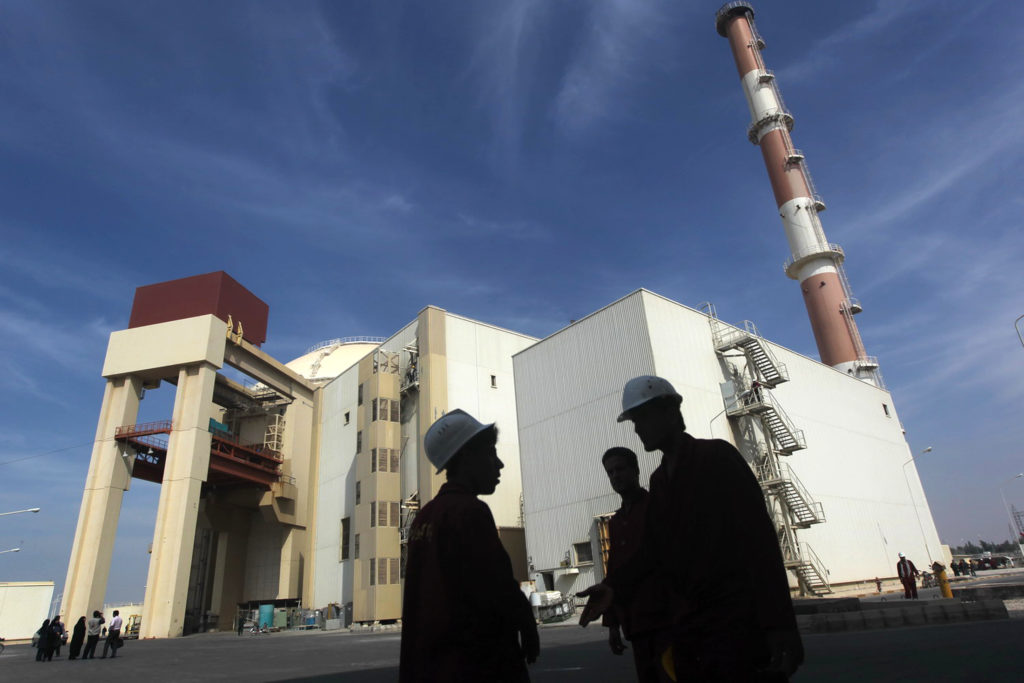
The enriched uranium stockpile is enough, if further processed, to produce several nuclear weapons. Iran has been enriching uranium to 60 percent purity, well below the 90 percent needed for weapons-grade material, but above what civilian nuclear programs typically require. The level of enrichment has been a central concern for Israel and for the International Atomic Energy Agency throughout the conflict and the preceding years of diplomatic stalemate.
Under the memorandum’s framework, Iran committed indefinitely to not developing or procuring nuclear weapons, a broader commitment than the ten or twenty-year limits found in the 2015 Joint Comprehensive Plan of Action, which the United States withdrew from under Trump’s first term. The indefinite commitment was presented by both sides as a significant concession from Tehran.
Critics said the indefinite commitment is meaningless without a verification mechanism in place at signing. The deal’s text does not name a verification protocol or an inspection framework. Those details are to be negotiated during the sixty-day follow-on period. IAEA Director General Rafael Grossi has called for Iran to grant inspectors immediate access but acknowledged that a signed ceasefire is a precondition for any expanded inspection regime.
Senator Lindsey Graham, a hawkish Republican who has generally supported Trump, said Saturday that the deal had “troubling aspects” and that the absence of a requirement to move or reduce the uranium stockpile before signing was a significant gap. The White House said the deal was the best achievable outcome given the military and diplomatic realities and represented a major step toward a safer Middle East.
Iran’s position throughout the negotiations was that it would not accept pre-conditions on its nuclear program as part of a ceasefire agreement. Tehran argued that nuclear questions belonged in a separate diplomatic track and that linking them to an immediate ceasefire would prevent any agreement from being reached. The US side ultimately accepted that argument to get the deal done.
The sixty-day follow-on talks are expected to involve the US, Iran, and European powers in some configuration. The IAEA is expected to play a role in any verification arrangements that emerge. The timeline is tight: if the follow-on talks fail to produce a nuclear framework, the ceasefire itself may come under pressure. Analysts said the next two months will be the true test of whether the Islamabad Declaration represents a genuine strategic shift or a temporary pause in hostilities. The signing is expected imminently, and the Hormuz reopening timeline will follow. Progress on the nuclear file will determine whether the broader oil market recovery holds.

Follow iNews Zoombangla On Google
Open the Google follow page and tap the checkmark option to receive more updates from iNews Zoombangla in your Google news feed.