Louisiana has reported five deaths among nine Vibrio vulnificus infections in 2026, according to reports published on August 8 citing state health data. All nine patients were hospitalized, and the cases involved open wounds exposed to coastal water.
People reported that the Louisiana Department of Health count was current as of August 5. The outlet said all nine patients had underlying health conditions. The Houston Chronicle separately reported the same total of nine cases, five deaths and nine hospitalizations.
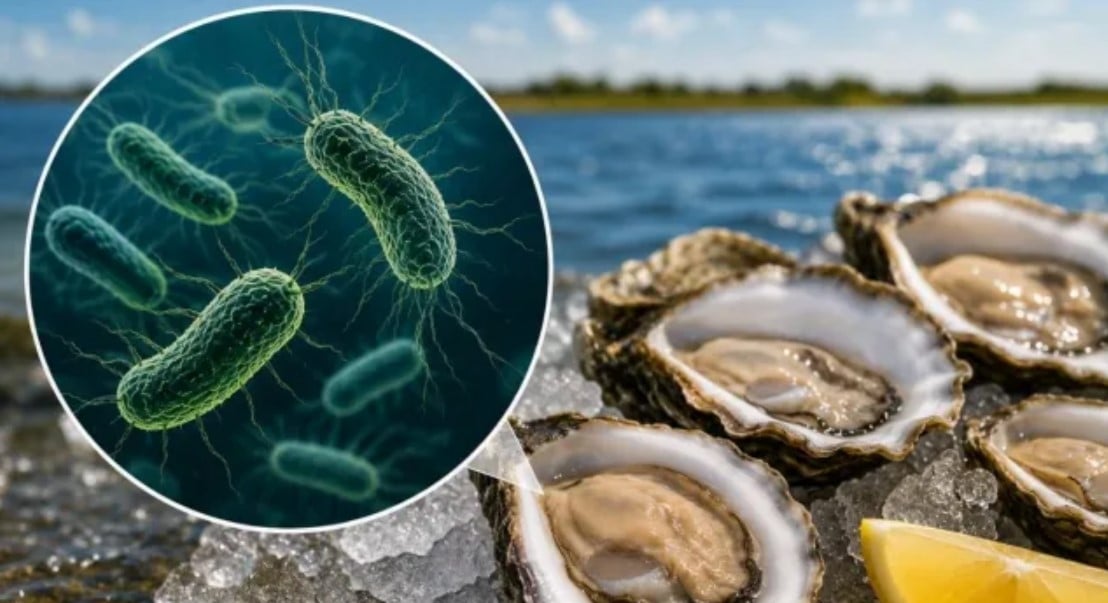
Vibrio vulnificus occurs naturally in coastal waters and becomes more common during warmer months. The U.S. Centers for Disease Control and Prevention says infection can occur when an open wound contacts coastal water or when a person eats raw or undercooked shellfish, especially oysters. Some media reports describe the infection as a flesh-eating bacteria case because it can cause rapid tissue damage around the wound.
The current Louisiana numbers are unusually severe compared with recent years. People reported that the state averaged about seven cases and one death during the same period over the previous decade. In 2026, nine reported infections have already resulted in five deaths, a toll that has drawn attention from health reporters well beyond the Gulf Coast.
People with certain underlying conditions face a higher risk of severe illness. CDC guidance identifies liver disease, cancer, diabetes, HIV and other conditions among factors that can increase vulnerability. Severe Vibrio infections can progress quickly and may require urgent medical treatment, including surgery in some cases.
Health guidance advises people with open cuts, scrapes or other wounds to avoid salt or brackish water when possible. If exposure cannot be avoided, wounds should be covered with waterproof bandages and washed thoroughly after contact with coastal water. Similar care is advised when handling raw seafood.
The latest figures do not mean every coastal-water exposure will cause infection. They do show that Vibrio vulnificus can have serious consequences, particularly for people with underlying health conditions. Louisiana health authorities and federal agencies continue to advise precautions during warm-water months.