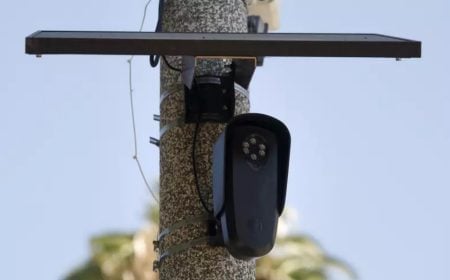
India’s Mumbai-Ahmedabad High-Speed Rail project has surpassed 80% construction completion, marking significant progress toward the country’s first bullet train. Union Railway Minister Ashwini Vaishnaw announced the milestone, with the first operational segment—Surat-Bilimora—expected to begin services on August 15, 2027.
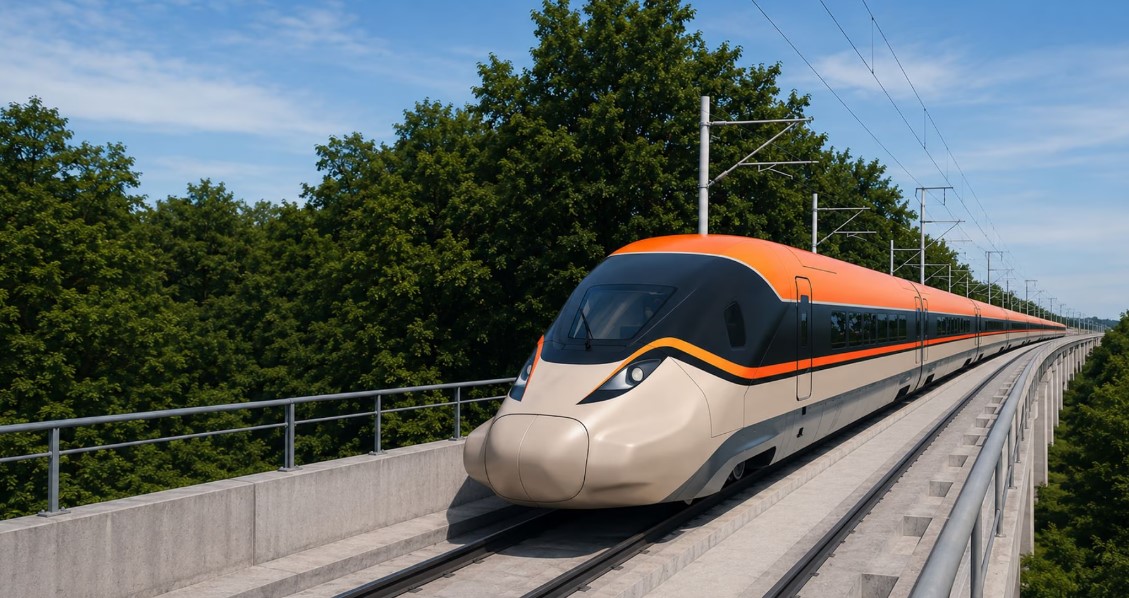
The 508-kilometer corridor will eventually run at 320 kilometers per hour with stops at 12 stations. The phased commissioning approach means passengers will ride the line before construction finishes, a strategy used by major high-speed rail projects worldwide.
What’s Ready Now
The Surat-Bilimora stretch is one of the most advanced construction segments. Tunnels, elevated viaducts, and station infrastructure are substantially complete. When operations begin in August 2027, travelers will cover the segment in roughly 40 minutes—currently a 4-6 hour drive.
Remaining sections will open in phases as construction progresses. The full corridor won’t be operational until the early 2030s, but that doesn’t mean passengers wait until then.
The India-Japan Partnership
Japan is supplying next-generation Shinkansen technology, though delivery is scheduled for the early 2030s. In the meantime, India and Japan agreed to deploy Indian-made high-speed trains on the first sections, keeping the project moving without waiting for Japanese manufacturing.
The approach reflects pragmatism: use what’s available now, upgrade later. Japan gets market validation in a new geography. India gets working infrastructure without decade-long waits for perfect technology.
What This Means
High-speed rail in India moves from aspiration to reality. The successful completion of 80% construction signals capable project management and manufacturing partnerships. If Surat-Bilimora opens on schedule, other planned corridors (Delhi-Varanasi, Chennai-Hyderabad) have proof that India can execute.
The bullet train isn’t just infrastructure. It’s a statement that India can build complex transportation networks. August 2027 will show whether that’s true.

Follow iNews Zoombangla On Google
Open the Google follow page and tap the checkmark option to receive more updates from iNews Zoombangla in your Google news feed.