Nubia announced the world’s first AI-powered smartphone during the World Artificial Intelligence Conference (WAIC) in Shanghai, running July 17-20. The device represents the Chinese manufacturer’s push into on-device AI processing.
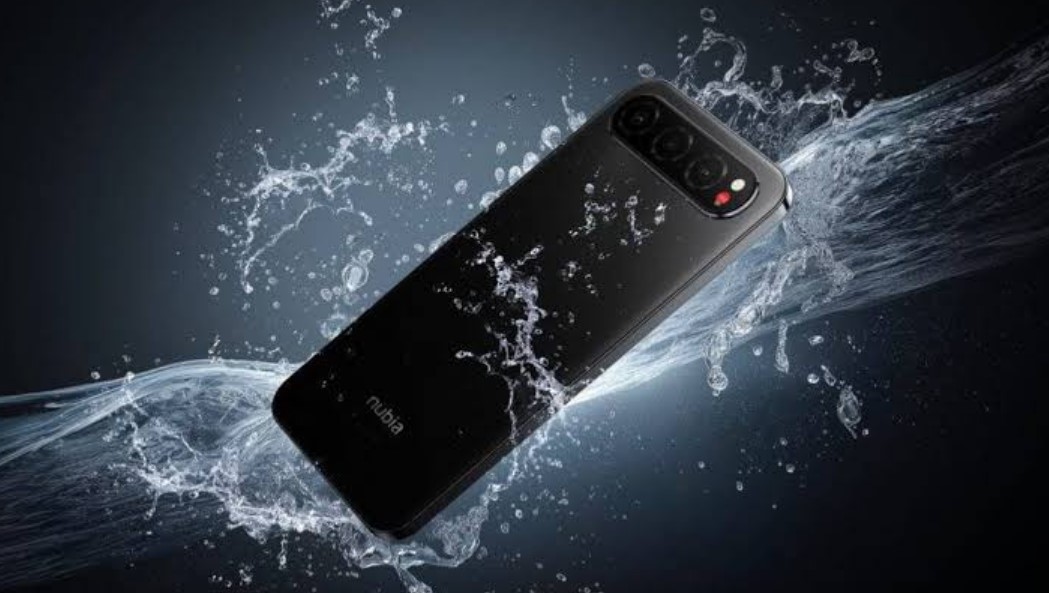
The announcement comes as global smartphone makers compete to embed AI capabilities without relying entirely on cloud processing. Nubia is betting that local AI compute offers speed, privacy, and reliability that cloud-dependent rivals can’t match.
What Makes It AI-Powered
Most smartphones today offload AI tasks to servers. Photos upload to cloud. Processing happens on remote computers. Results download back to the phone. This introduces latency and privacy concerns.
Nubia’s approach runs AI models locally. The phone processes photos, text, and voice on the device. Results stay on the device. No cloud upload. No third-party access to personal data.
This requires significant processing power. Nubia is using the latest Snapdragon or similar high-end silicon to achieve this. The trade-off is cost and battery consumption.
WAIC as Unveiling Stage
The World Artificial Intelligence Conference attracts developers, researchers, and tech leaders from across Asia. Unveiling a device at this event signals Nubia’s positioning as an AI-forward manufacturer, not a follower responding to trends.
The conference runs four days. Nubia has time for hands-on demos and one-on-one conversations with journalists and influencers. This is better exposure than a traditional press conference.
Shanghai hosts the event, underscoring China’s ambition in AI development. Nubia signals that Chinese manufacturers are leading, not playing catch-up.
Market Implications
The global smartphone market is flattening. Volume growth has stopped. Manufacturers compete on features and price. AI is the next frontier for differentiation.
If Nubia’s on-device AI implementation works well, other Chinese manufacturers will copy. Samsung and Apple will face pressure to respond. The smartphone market could bifurcate: cloud-AI phones and local-AI phones, each with different price tiers and target users.
Privacy-conscious consumers will migrate toward local AI. Convenience-oriented consumers might stick with cloud processing that’s faster and more capable.
Competition and Licensing
Qualcomm’s Snapdragon chips power most Android flagships. If Nubia’s on-device AI relies on Snapdragon capabilities, Samsung, OnePlus, and others can replicate the approach. Differentiation becomes marketing, not technology.
This is fine for Nubia. First-mover attention is valuable even if others catch up quickly.
On-device AI is not revolutionary. But it’s the right direction for privacy and reliability. Nubia is betting early. If the technology delivers, the bet pays off. If cloud AI proves sufficient, Nubia’s premium on-device solution becomes a niche product.

Follow iNews Zoombangla On Google
Open the Google follow page and tap the checkmark option to receive more updates from iNews Zoombangla in your Google news feed.