Paramount Skydance chief executive David Ellison has told senior staff he is prepared to move the studio out of California starting October 1 unless the state’s attorney general agrees to negotiate a settlement in an antitrust case blocking its merger with Warner Bros. Discovery. The Paramount Skydance board has approved the plan, according to people briefed on the discussions.
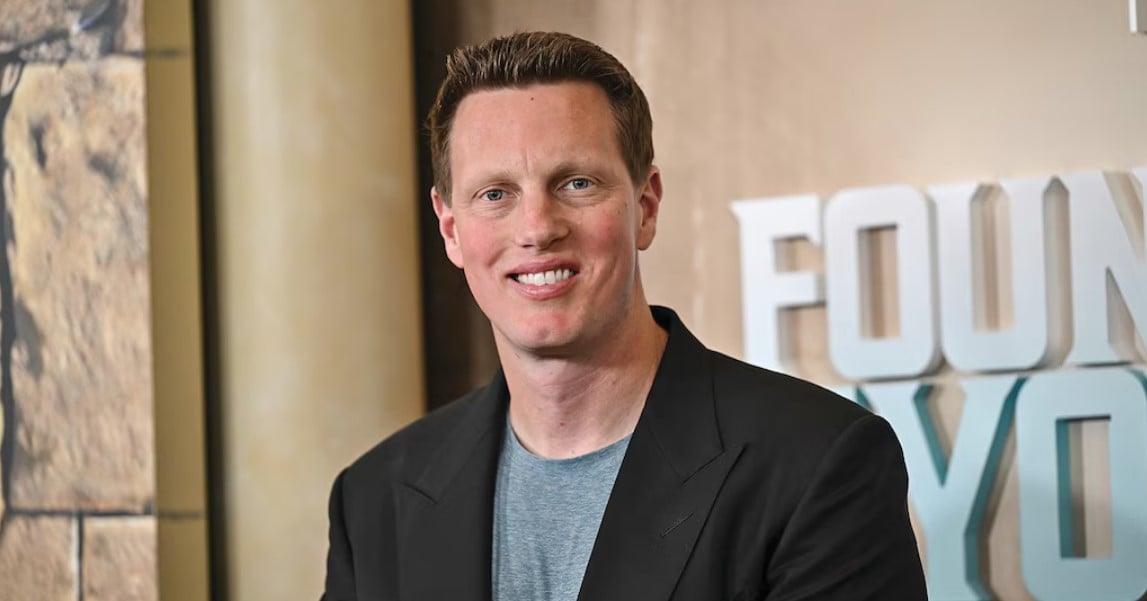
The 110 billion dollar merger between Paramount and Warner Bros. Discovery has cleared most regulatory hurdles, but a lawsuit from a coalition of state attorneys general, led by California’s Rob Bonta, remains the last major obstacle. Ellison’s threat is aimed directly at forcing Bonta to the negotiating table before the deal’s timeline slips further.
Bonta was not receptive. He called the relocation threat an attempt to blackmail the state into letting an illegal deal through, rejecting the idea that Paramount could pressure California into dropping its objections by moving jobs and productions elsewhere.
The stakes are significant for California’s entertainment economy. Paramount’s television and film operations, along with its historic Melrose Avenue lot, employ thousands of workers across production, post production and studio operations in Los Angeles. A relocation, even a partial one, would be one of the most consequential moves by a major studio in decades.
Ellison has framed the merger as necessary to compete with streaming giants like Netflix and Disney, arguing that scale is now required to fund big budget film and television production. Once the Warner Bros. Discovery deal closes, Ellison and his team are expected to cut thousands of jobs across the combined company to find cost savings, according to people familiar with the integration planning.
Other states, including Texas and Georgia, have long courted Hollywood productions with tax incentives, giving Ellison an edge he lacked a decade ago, when California held a near monopoly on major studio operations.
For now, the clock is running. Ellison has set October 1 as his deadline, giving California weeks to decide whether to negotiate or risk watching one of its signature industries relocate at least part of its operations elsewhere.

Follow iNews Zoombangla On Google
Open the Google follow page and tap the checkmark option to receive more updates from iNews Zoombangla in your Google news feed.