Christopher Nolan’s “The Odyssey” opened to $264.1 million globally last weekend, breaking Nolan’s own record for a worldwide debut. The film earned $124.5 million domestically and $139.6 million internationally. It’s Nolan’s biggest opening ever, surpassing “The Dark Knight Rises” from 2012, which opened to $249 million. The adaptation of Homer’s ancient Greek epic cost $250 million to make and another $125 million to market.
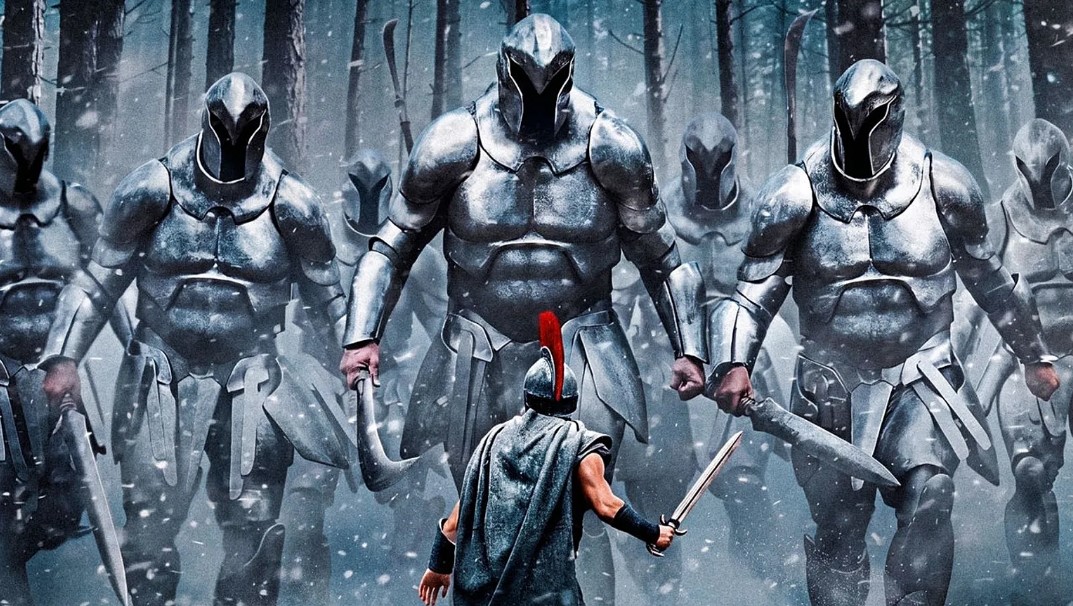
The numbers matter because they answer a question about Nolan’s drawing power post-pandemic. His last three films made money but had smaller starts. He’s seven years removed from Dunkirk. The Odyssey proves audiences will still show up for Nolan on opening weekend. They will pay for spectacle if Nolan is directing and the script has meat.
The R-Rating Risk
Most films with $250 million budgets get PG-13 ratings to capture younger audiences. The Odyssey is rated R. That’s a self-imposed limit on the addressable market. Families can’t take kids. Studios avoid R for tentpoles. Nolan didn’t compromise. The footage shown at Comic-Con and in trailers justified the rating — violent mythology, dark themes, adult storytelling. Audiences responded anyway.
Analysts said an R-rating would cost The Odyssey $50 million or more on the opening. Instead, it crushed expectations. The film defied the math. That’s what Nolan’s name still carries in 2026.
Box Office Context
The Odyssey opened stronger than “Toy Story 5,” which went out to $159 million domestically earlier this summer. It trails “The Super Mario Galaxy Movie,” which opened to $131 domestically and $372 globally. But Toy Story had built-in nostalgia. Super Mario had gaming culture. The Odyssey had only Nolan’s reputation and Homer’s epic poem. That proved enough.
Universal backed Nolan with marketing muscle. The studio owned the Oppenheimer success last year. They trusted Nolan would deliver again. The bet paid off. Word of mouth matters now — the film is good enough that repeat viewings could stretch the total significantly higher.
The Odyssey’s success signals that audiences still value auteur filmmaking and will pay R-rated ticket prices for challenging material.

Follow iNews Zoombangla On Google
Open the Google follow page and tap the checkmark option to receive more updates from iNews Zoombangla in your Google news feed.