AI data centers are buying 70 percent of all memory chips made worldwide. The shortage is getting worse, not better. SK Hynix CEO Kwak Noh-Jung said in July that the memory crunch will probably persist past 2030. This isn’t temporary. DRAM spot prices have surged nearly 700 percent over the past year. Your next laptop is going to cost 40 percent more. The cheapest PCs will disappear from shelves entirely.
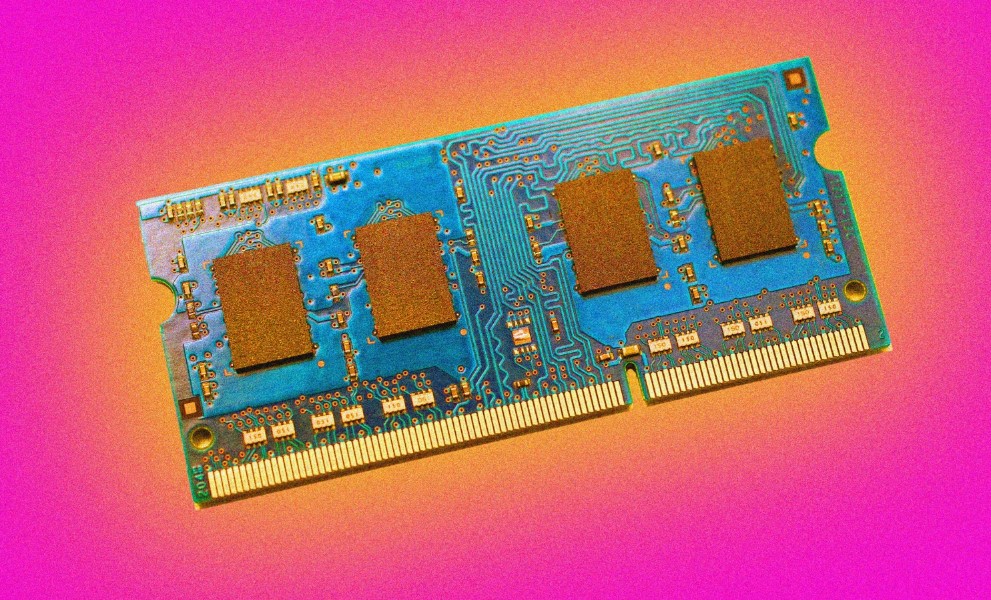
The industry calls this RAMageddon. Unlike the pandemic chip shortage from 2020-2023, this one is intentional. Chip manufacturers decided AI data centers were the most profitable use of their capacity. They pointed their foundries toward making memory for OpenAI, Google, Meta, and Microsoft instead of toward gaming laptops, phones, and consumer gear. The reallocation is so dramatic it’s crushing everyone downstream.
The Scale of Reallocation
Data centers used to consume 50 percent of memory output. Now it’s 70 percent. That 20-point shift means 20 percent of chip manufacturing capacity that used to serve consumer electronics is now locked into server farms. Manufacturers aren’t building new fabs fast enough to compensate. So consumers wait. Prices climb. Quality suffers.
Memory chip costs have doubled or tripled. Some variants are up 80 to 90 percent. Gaming rigs that cost $1,200 last year cost $1,600 now. A phone that shipped with 12GB of RAM last year might ship with 8GB this year because RAM is expensive. Laptop makers are saying they’ll raise prices September through 2027.
When Does This End
The crisis is expected to last at least until 2030, according to Kearney’s analysis. SK Hynix, one of the world’s largest memory makers, isn’t confident it ends by then. Building new fabs takes three to five years. Even if manufacturers started today, supply wouldn’t catch up for years. AI demand keeps growing. Data centers keep buying. Consumers keep suffering.
Lenovo, Dell, and other PC makers have signaled price hikes coming. Your next flagship phone may ship with the same amount of RAM as last year’s model. The industry has already accepted that for the foreseeable future, AI gets first choice. Everything else gets the scraps.
The memory shortage won’t resolve until AI data center demand plateaus or manufacturers build enough capacity to feed everyone. Neither is happening soon.

Follow iNews Zoombangla On Google
Open the Google follow page and tap the checkmark option to receive more updates from iNews Zoombangla in your Google news feed.