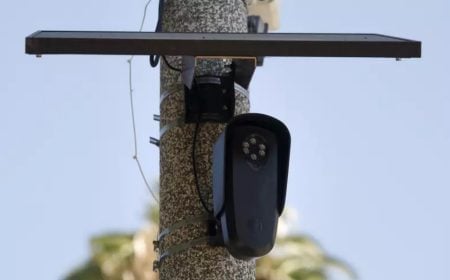
Reliance Jio showcased its expanding 4G and 5G network footprint across India’s Northeast at the North East India Infrastructure Summit & Exhibition 2026 held in Shillong, Meghalaya, on July 23. The initiative underscores Jio’s commitment to digital inclusion in regions historically underserved by telecom infrastructure.

The Northeast, spanning eight states with diverse geographies from Assam’s plains to Arunachal Pradesh’s mountains, has long faced connectivity gaps. Jio’s expansion aims to close those gaps.
What’s Being Built
Jio is deploying fiber-optic backbone and 5G towers across the region. The investment targets remote areas where traditional broadband never reached, leapfrogging older technologies entirely.
5G coverage in the Northeast means farmers can access market prices in real time, students in remote villages can access online education, and small businesses can go digital without waiting for years of infrastructure build-out.
The Business Case
The Northeast represents under-monetized population. Low current penetration rates mean Jio can grow subscribers aggressively if connectivity improves. The company’s strategy: build infrastructure now, monetize subscribers later as usage patterns establish themselves.
Jio also backed Airtel’s Priority Postpaid service in July, signaling industry alignment on 5G monetization. Both rivals now believe differentiated quality-of-service tiers—paying more for guaranteed speed and reliability—will drive 5G revenue growth.
Broader Implications
India’s telecom duopoly (Jio and Airtel) controls 70%+ of subscribers. Their infrastructure investments essentially define what happens in every region. The Northeast push suggests both companies see post-pandemic growth still possible in digital adoption.
Digital infrastructure in India’s Northeast has been promised for years. Whether Jio executes at scale will determine if this time is different.

Follow iNews Zoombangla On Google
Open the Google follow page and tap the checkmark option to receive more updates from iNews Zoombangla in your Google news feed.