ASUS Republic of Gamers and Xreal began shipping the ROG Xreal R1 gaming AR glasses this month at a retail price of $849. The glasses project a 171-inch virtual display at up to 240Hz and are designed for use with PC, PlayStation, and Xbox gaming systems.
Pre-orders opened on May 15 and worldwide shipping started June 1. The glasses use micro-OLED panels with a 0.01-millisecond response time and a 57-degree field of view. Electrochromic tinting allows the lenses to darken automatically based on ambient conditions, and the audio system uses Bose technology built into the frame. Three Degrees of Freedom tracking is included for basic head movement support.
Connectivity runs through USB-C, with the optional ROG Control Dock adding DisplayPort 1.4 and HDMI 2.0 ports. The glasses connect directly to the ROG Ally handheld console without the dock. ASUS and Xreal announced the partnership at CES in January 2026, where the R1 was first shown as the world’s first 240Hz micro-OLED gaming glasses. Most competing AR glasses in the same price range offer 90Hz to 120Hz refresh rates.
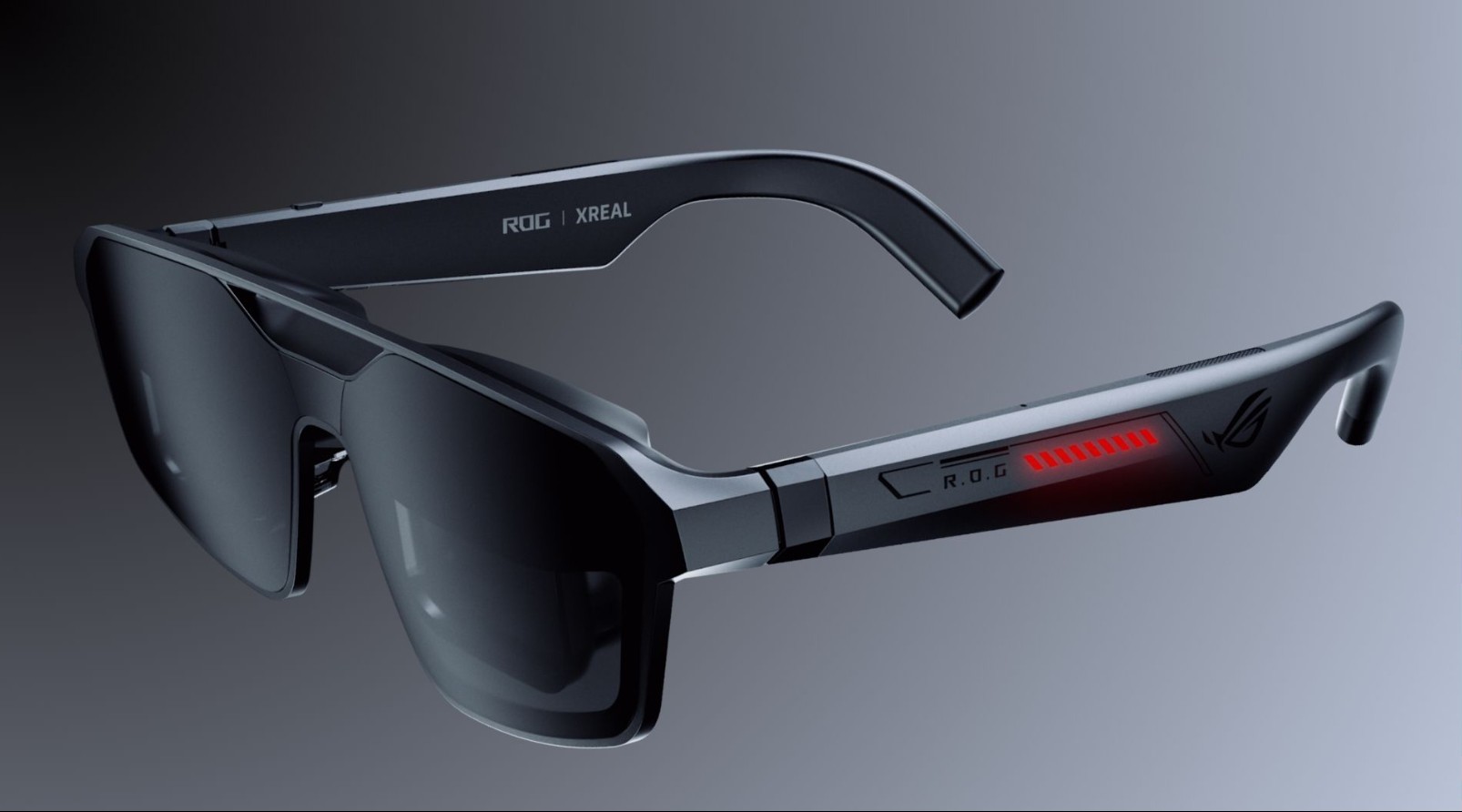
The $849 price point places the R1 near the higher end of the consumer AR glasses market. Buyers in Japan will need to wait until mid-July for local availability, with sequential regional launches planned. ASUS positioned the device at dedicated gaming enthusiasts rather than general-purpose smart glasses users, with all design decisions prioritizing display performance over features like cameras or connectivity with mobile phones.
The R1 has drawn comparison to dedicated gaming monitors in terms of refresh rate purity. Unlike some AR glasses that blend digital elements into a real-world view, the R1 operates as a virtual screen that replaces the environment entirely when in use. This positions it closer to a portable display than a true mixed reality device.
The ROG Xreal R1 is available through Best Buy and the Xreal online store. A bundle with the ROG Ally console has been listed at select retailers. The Google Android XR glasses with Warby Parker are also expected later in 2026 at a different price and use case. Full technical specifications are on the ASUS ROG website.

Follow iNews Zoombangla On Google
Open the Google follow page and tap the checkmark option to receive more updates from iNews Zoombangla in your Google news feed.