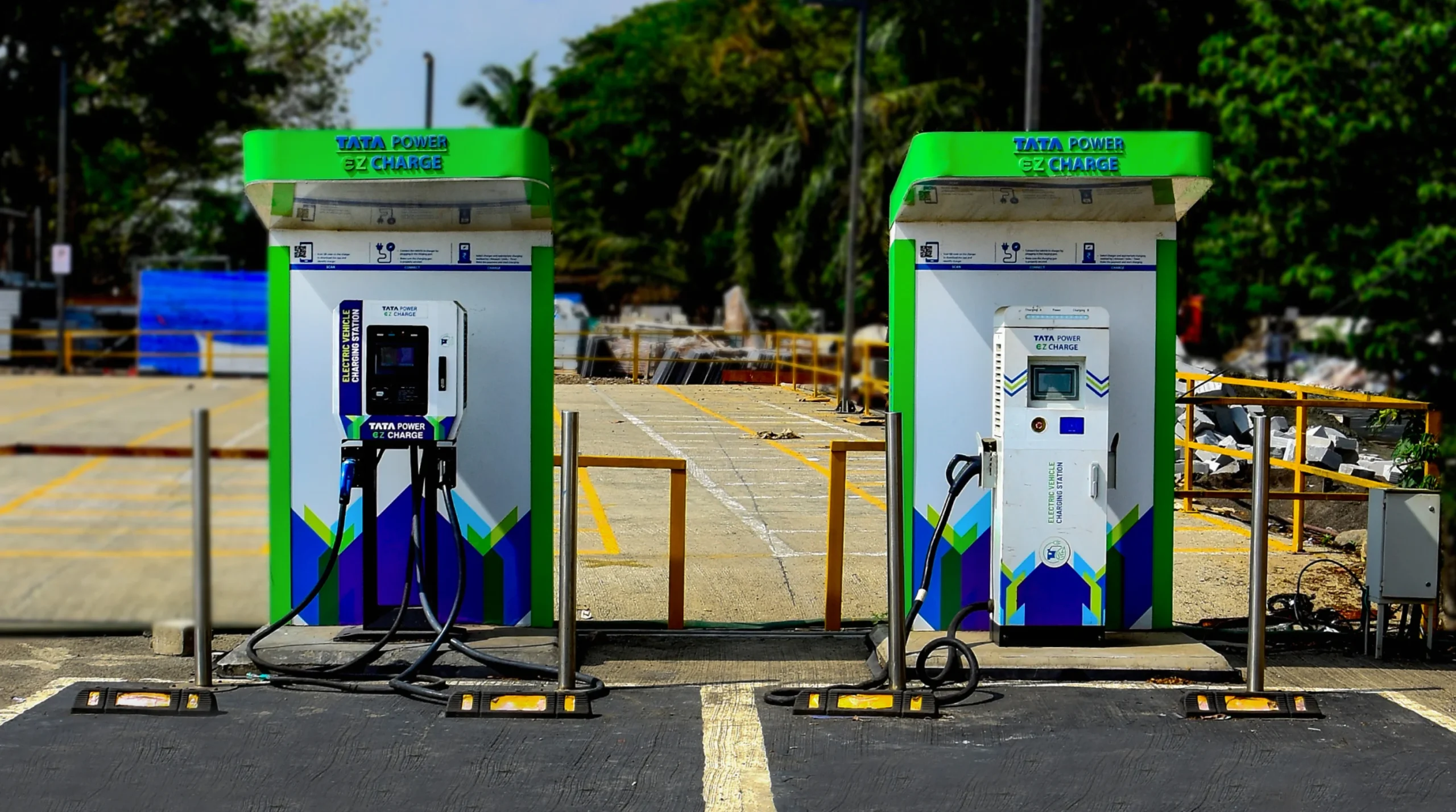
Tata Power’s electric-vehicle charging work shows why the next stage of India’s EV market will be about the whole journey, not only the charger at the end of it. Its public charging programme combines charging locations with the digital tools drivers use to find, start and complete a session.
That change matters as EV ownership moves beyond early adopters. A driver wants to know whether a charger is available, what connector it supports and how payment will work before arriving. A network that answers those questions clearly can remove some of the uncertainty that still makes a long trip feel harder in an electric car than in a petrol vehicle.
Tata Power’s official charging material presents an ultra-fast network as part of a wider mobility service. The company’s role includes operating charging points and connecting customers with information through digital channels. The practical value is not only the speed advertised for a charger. It also depends on uptime, access, parking rules, support and the accuracy of the information shown to the driver.
Route planning becomes especially important when different vehicles have different battery sizes and charging limits. A useful app should help a driver choose a stop that fits the car, rather than simply showing every available location. It should also make it easier to spot a backup option when a station is busy or unavailable.
The same data can help operators improve the network. Session demand can reveal where more capacity is needed, while repeated support requests can point to problems with payment, signage or the charging equipment itself. Those improvements are less visible than a new station, but they directly affect whether drivers return to the network.
There is a wider lesson for India’s charging market. Building hardware is only the beginning. The service around that hardware has to be dependable enough for a daily commute and clear enough for a new EV owner to understand. Digital tools, maintenance plans and transparent pricing all contribute to that confidence.
Tata Power’s charging push therefore places route planning and network usability alongside the physical plug. As more Indian drivers compare electric vehicles, that combination could matter as much as the headline charging speed.