The discussion around treating incomplete reperfusion after mechanical thrombectomy returned to the centre of attention in Maastricht this week, as researchers unveiled results from the TECNO trial at the European Stroke Organisation Conference 2026.
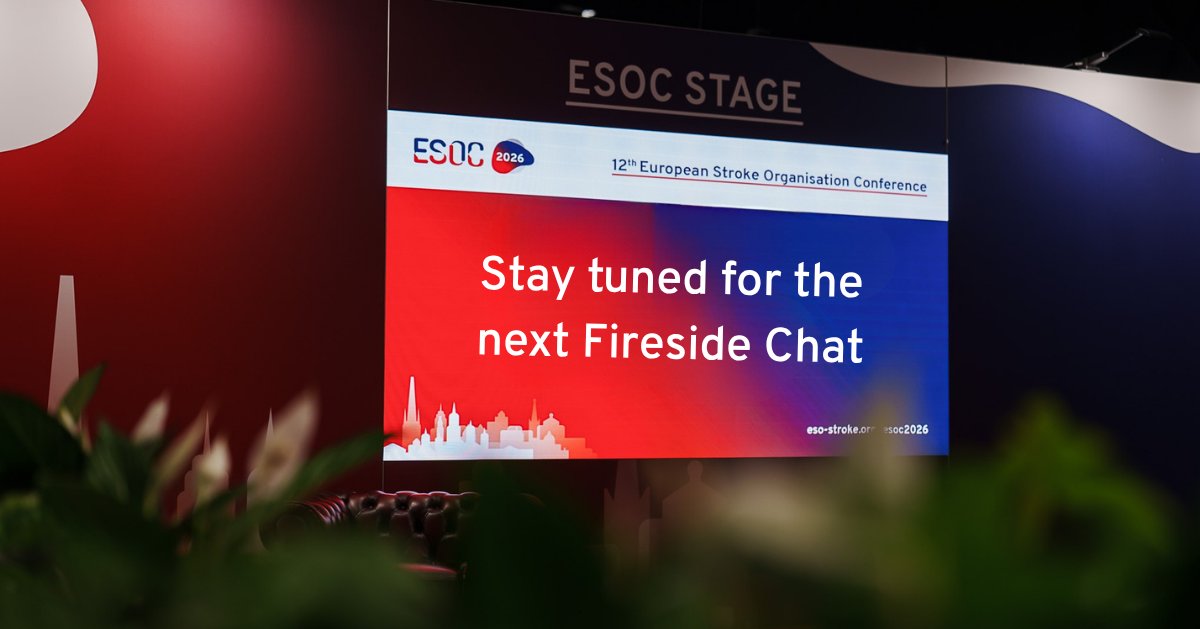
Presented for the first time during the late-breaking science sessions, the study examined whether a small, targeted dose of intra-arterial tenecteplase could improve blood flow in patients who still showed incomplete reperfusion after undergoing thrombectomy. The trial involved multiple high-volume stroke centres across Europe and was coordinated by investigators based in Switzerland.
TECNO was designed as a multicentre, randomised, open-label study with blinded endpoint assessment. Patients received either a 3mg intra-arterial dose of tenecteplase in addition to standard medical care or standard care alone. Researchers focused primarily on imaging-based outcomes, looking at early reperfusion shortly after treatment and more complete reperfusion at 24 hours using CT or MR perfusion imaging.
On early reperfusion, the difference between the two groups was marginal. About 39 percent of patients in the tenecteplase group showed improvement compared with 36 percent in the control arm, a difference that did not reach statistical significance. A similar pattern emerged at 24 hours, where 51 percent in the treatment group achieved reperfusion versus 40 percent in the control group, again without statistical significance.
The safety signal, however, offered a clearer picture. Symptomatic intracranial haemorrhage occurred in 5.2 percent of patients receiving tenecteplase compared with 8.6 percent in the control group, suggesting no added bleeding risk from the intervention in this setting.
Clinical outcomes at 90 days painted a more complex picture. Functional independence was recorded in 27 percent of patients treated with tenecteplase versus 38 percent in the control group. Researchers cautioned against overinterpreting this finding, noting the trial was not powered to draw firm conclusions on long-term functional recovery.
Speaking at the conference, principal investigator Johannes Kaesmacher of Bern University Hospital said the results do not support routine use of intra-arterial tenecteplase in cases of incomplete reperfusion after thrombectomy. He emphasised that while the approach appears safe, its clinical value remains unproven in its current form.
Researchers involved in TECNO say the findings point more towards refinement than rejection. The challenge of incomplete reperfusion remains a persistent issue in acute stroke care, and the trial adds to growing evidence that patient selection and treatment timing may be key factors that still need to be better defined.
Read More:
KC-135 Stratotanker Sends Emergency Signal Over Persian Gulf Near Qatar
For now, the study leaves clinicians with a familiar tension in stroke management: a treatment that looks safe on paper but without the clear benefit needed to change practice.

Follow iNews Zoombangla On Google
Open the Google follow page and tap the checkmark option to receive more updates from iNews Zoombangla in your Google news feed.