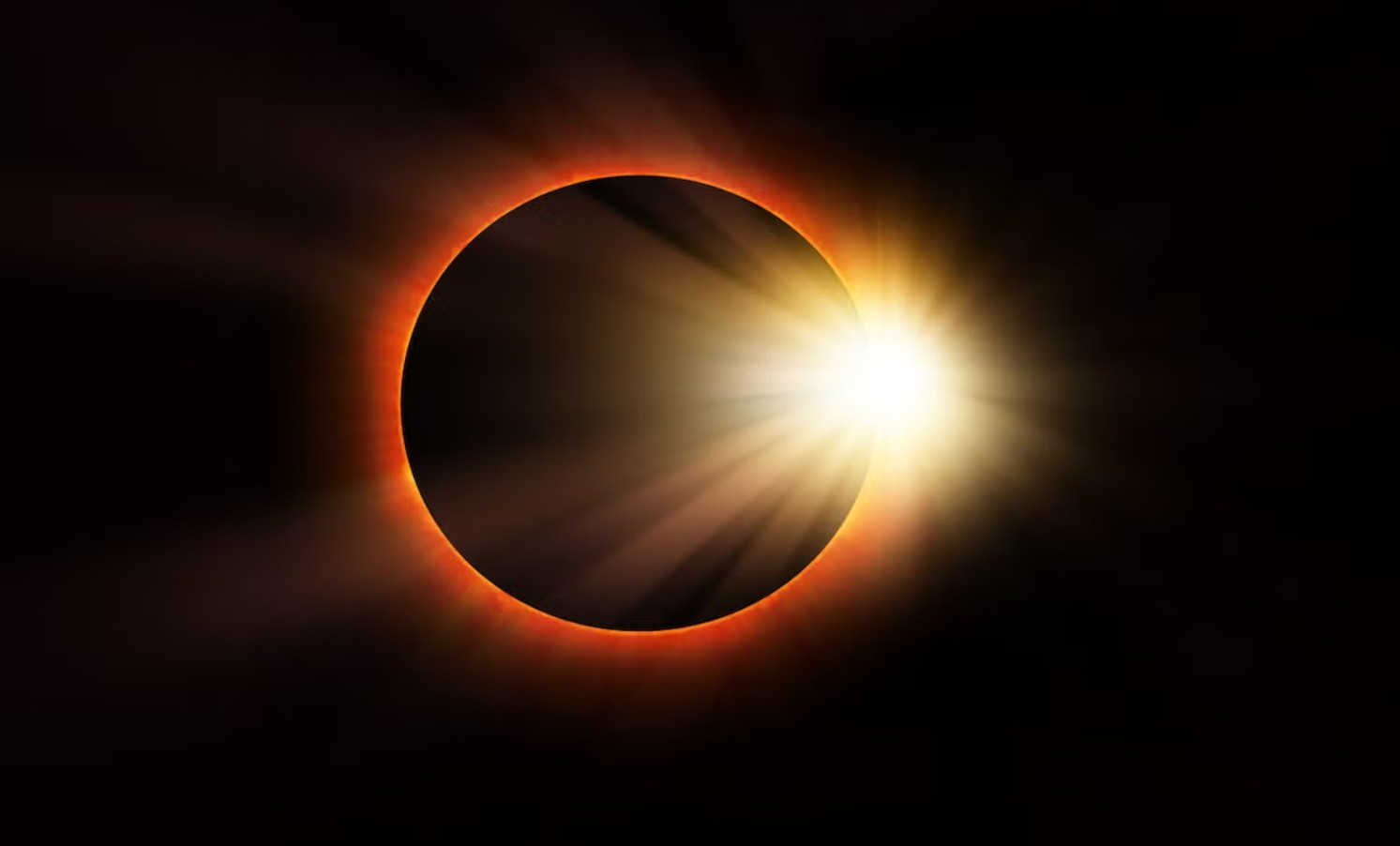
A total solar eclipse will pass over Greenland, Iceland, Portugal, and northern Spain on August 12, 2026, offering millions of people an opportunity to witness one of nature’s most dramatic celestial events.
The eclipse path crosses the Arctic, making it one of the most remote total solar eclipses in recent years. Scientists and eclipse chasers are preparing expeditions to observe the sun’s corona and collect data during the brief window of totality.
Path of Totality
The eclipse begins over Greenland, sweeping across the Arctic toward Iceland. From Iceland, the path enters continental Europe, crossing Portugal and continuing into Spain. The duration of totality varies by location, ranging from under two minutes in some areas to over four minutes in optimal viewing zones.
Partial eclipse coverage will extend across much of western Europe and northern Africa, allowing viewers outside the totality path to still observe a partial eclipse with proper eye protection.
Viewing Conditions and Preparation
Observers in Greenland face extreme travel challenges, with most viewers planning expeditions from Iceland. Portugal and Spain offer more accessible viewing locations, though accommodations are expected to fill quickly as eclipse tourism peaks.
Weather poses the primary risk. August 12 in northern Europe can bring cloud cover, but eclipse chasers have backup locations across the path ready to pursue clear skies.
August 12’s eclipse is a reminder that celestial mechanics deliver predictable wonder: mark your calendar and prepare to look up.
FYI (keeping you in the loop)
How long does a total solar eclipse last?
Totality typically lasts between 2 and 7 minutes depending on location along the path. The entire eclipse event, including partial phases, spans 2-3 hours.
References
NASA Science. (2026). August 12, 2026 Solar Eclipse. Published August 2026.

Follow iNews Zoombangla On Google
Open the Google follow page and tap the checkmark option to receive more updates from iNews Zoombangla in your Google news feed.