A total solar eclipse is crossing the Arctic, Greenland, Iceland and northern Spain today, giving skywatchers across a wide swath of Europe and the North Atlantic their best view of a total eclipse in years.
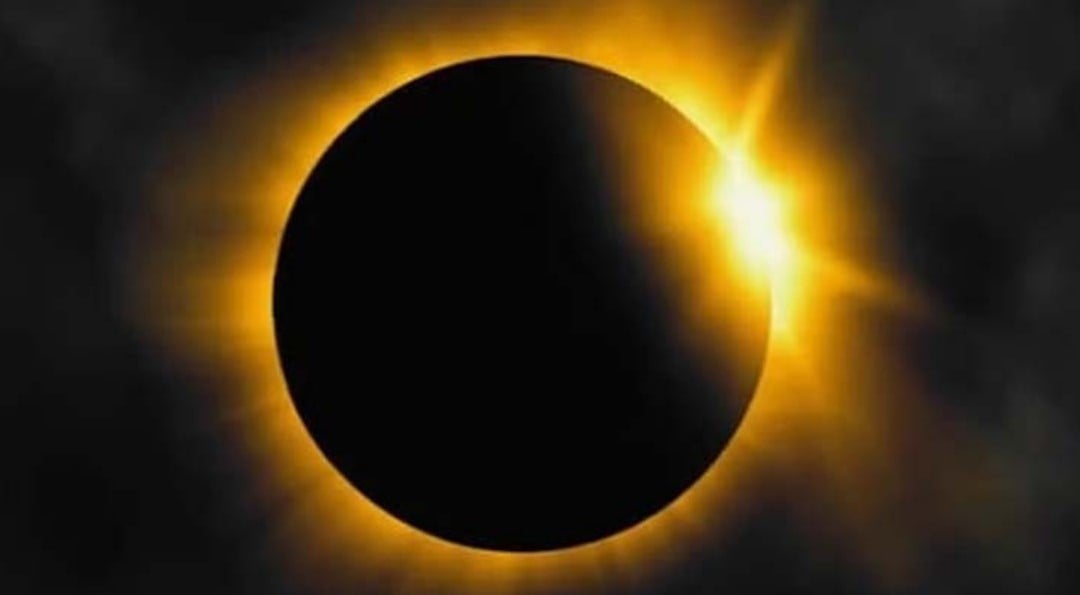
The path of totality runs from the Arctic down through Greenland and Iceland, across the Atlantic Ocean and into northern Spain and the extreme northeastern tip of Portugal. Observers standing directly in that path will see the moon fully block the sun, turning day briefly into twilight.
The longest stretch of totality, two minutes and 18 seconds, falls over open water in the North Atlantic between Greenland and Iceland, according to eclipse trackers at NASA and timeanddate.com. Viewers on land in northern Spain will get a shorter but still dramatic window, with totality lasting up to one minute and 50 seconds.
Millions more will see a partial eclipse without leaving home. The Royal Observatory Greenwich says the UK and Ireland will see the moon cover roughly 90 to 96 percent of the sun, while France, Belgium, Switzerland and northern Italy can expect coverage in the 88 to 95 percent range. The partial phase begins as the day starts in northern Russia, reaches Alaska and northern Canada in the morning local time, and moves into Canada’s eastern provinces by afternoon.
Eclipse chasers have been converging on Iceland and northern Spain for days, booking out hotels and tour packages along the centerline months in advance. Airlines and cruise operators have also run one-off eclipse-viewing flights and sailings timed to intercept the path of totality over open water, where clear skies are more likely than on land.
Astronomers stress that even a 90 percent partial eclipse requires certified eclipse glasses or a solar filter for safe viewing, since the remaining sliver of exposed sun is still bright enough to damage the eyes. The next total solar eclipse visible from a significant landmass will not occur until 2027, when the path crosses North Africa and the Middle East.