Tropical Storm Arthur made landfall near the Texas-Louisiana border before dawn on Friday, bringing with it storm surge of up to six feet and rainfall totals approaching 18 inches in some coastal areas, triggering mandatory evacuations and life-threatening flood conditions across a wide swath of the Gulf Coast.
The storm came ashore near Orange, Texas, at approximately 3:15 a.m. local time with maximum sustained winds of 65 mph, just below hurricane strength. It weakened slightly during landfall but remained a tropical storm as it moved inland through Friday morning, continuing to dump heavy rain across southeast Texas, southwest Louisiana, and into the lower Mississippi River basin.
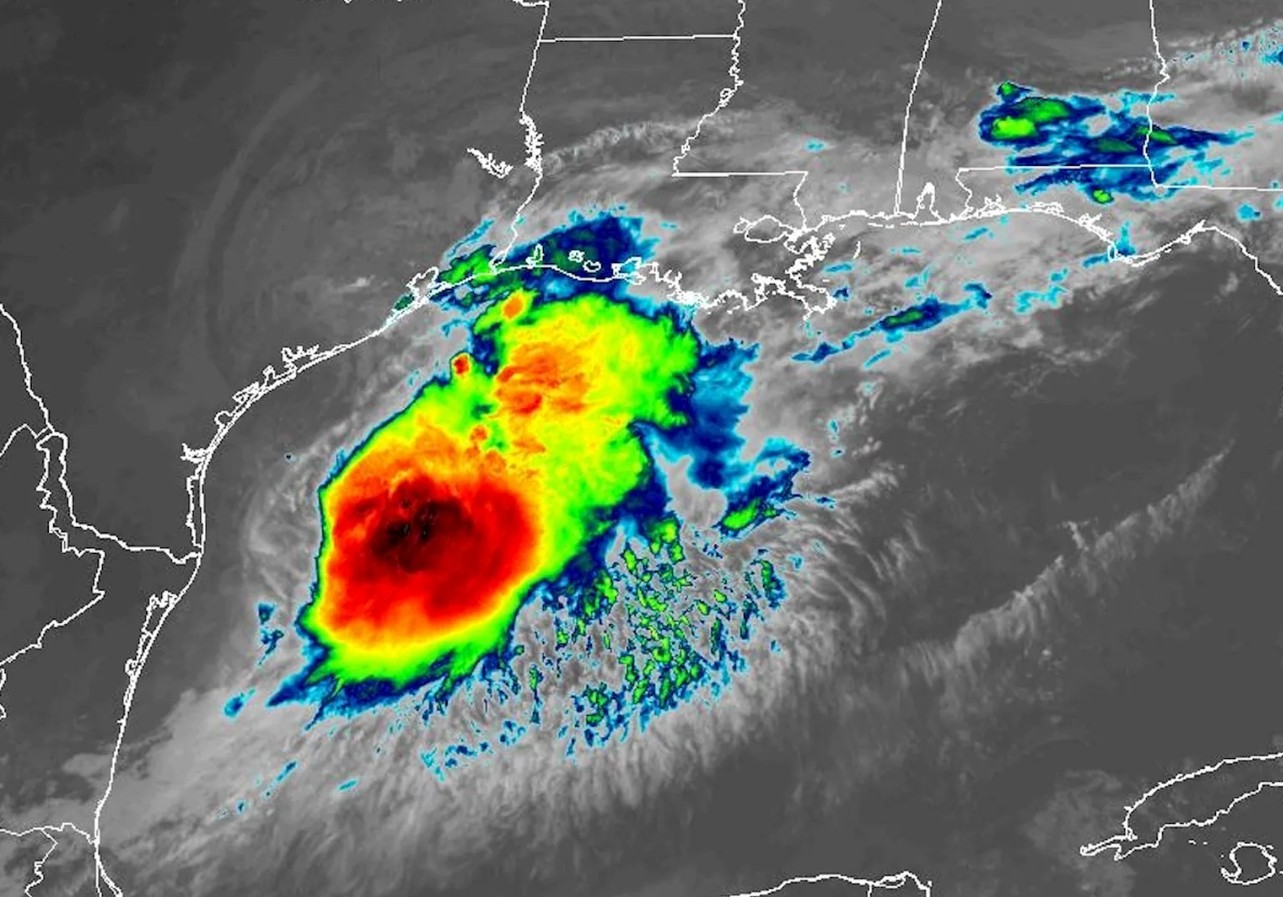
The National Hurricane Center issued a storm surge warning covering more than 200 miles of coastline from Galveston, Texas, to Morgan City, Louisiana. The agency said life-threatening inundation of one to six feet above ground level was occurring in the warning area and urged anyone who had not evacuated to move to the highest point in their structure immediately.
In Beaumont, Texas, officials reported water rescues underway in several neighborhoods by 6 a.m. The Jefferson County Emergency Management office said it had received more than 400 calls for assistance by Friday morning and that access to some areas was cut off by flooded roads. The Texas National Guard deployed high-water vehicles and boats to the region on Thursday in anticipation of the storm’s arrival.
Louisiana Governor Jeff Landry declared a state of emergency for 25 parishes on Wednesday. New Orleans, which lies east of the landfall point, was forecast to receive six to ten inches of rain through Friday evening. The city’s drainage system was reported fully operational, but officials warned that rainfall rates could exceed the system’s capacity during the most intense bands.
Arthur formed rapidly in the Gulf of Mexico over warm late-spring waters, intensifying from a tropical depression to a named storm in under 36 hours. Forecasters had warned of rapid intensification earlier in the week and issued advisories urging coastal residents to complete preparations by Wednesday night. The storm is the first named system of the 2026 Atlantic hurricane season, which officially began June 1.
Power outages were reported across coastal counties in both states by midday Friday. Entergy Texas said approximately 85,000 customers were without electricity as of noon. The company estimated restoration could take several days in the hardest-hit areas once the storm passed. Flood insurance claims from the 2025 hurricane season in the region had not yet been fully resolved when Arthur arrived.
FEMA activated its National Response Coordination Center and said it was pre-positioning supplies including water, meals, and generators at staging sites in Houston and Baton Rouge. The agency said it expected to issue individual assistance declarations for affected counties within 48 hours of the storm clearing the area, assuming damage assessments confirmed the scale of the impact.
The storm is expected to weaken to a tropical depression by Saturday as it moves into Arkansas and Missouri. Rainfall totals of three to seven inches are forecast for those states through the weekend, raising river flooding concerns along the Arkansas and White rivers. The National Hurricane Center said Arthur could produce additional flash flooding as it moves inland.
Search and rescue operations were ongoing across coastal Texas Friday afternoon. Officials asked residents to avoid travel and to stay off flooded roads, noting that even six inches of moving water could sweep a vehicle off the road.

Follow iNews Zoombangla On Google
Open the Google follow page and tap the checkmark option to receive more updates from iNews Zoombangla in your Google news feed.