Britain and France are coordinating a naval demining mission for the Strait of Hormuz, having already approached more than thirty-five nations to join a coalition that would begin clearing the waterway the moment a formal US-Iran ceasefire takes effect. Both countries have warships already positioned near the strait to move quickly once conditions allow.
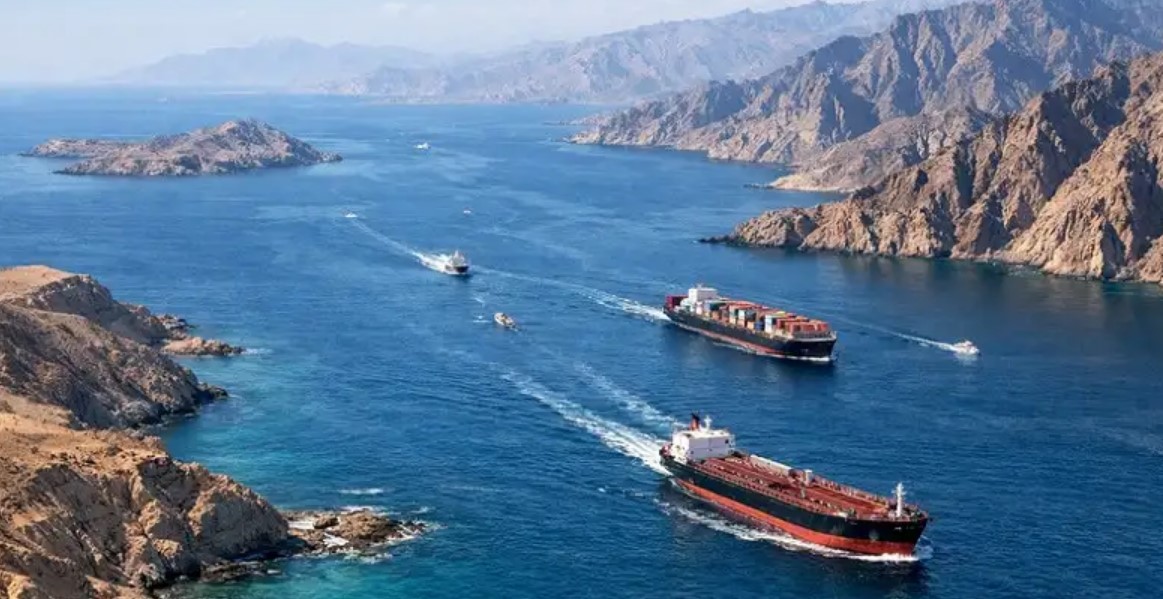
The United Kingdom reached out to its NATO and Gulf partners over several months to build the coalition. Prime Minister Keir Starmer said Britain stands ready to support the implementation of any peace agreement and to work with international partners to ensure the strait reopens safely for commercial shipping. France approached thirty-five countries separately and said it would co-lead the clearance operation alongside the British.
The Strait of Hormuz, which connects the Persian Gulf to the Gulf of Oman, is one of the world’s most important oil chokepoints. Roughly twenty percent of global oil supply passes through it on any given day. Iran mined the strait in March and closed it to shipping, triggering a global supply shock that pushed Brent crude above ninety dollars a barrel and contributed to rising inflation in multiple countries.
The demining mission is expected to take weeks to months depending on how extensively the strait was mined. Technical experts from the UK’s Royal Navy said the operation would require a mix of minesweeper vessels, underwater drones, and remotely operated systems. The depth of the strait and its busy shipping lanes make the clearance particularly complex.
The United States has asked G7 partners to formally endorse the demining effort at the Evian summit starting Monday. The joint communiqué expected at the end of the summit is likely to include a commitment from all seven members to contribute to the reopening of the strait in some form, whether through ships, financing, or logistics support.
Brent crude has already fallen from its peak above ninety dollars per barrel in the weeks following the initial closure. The latest oil price movements reflect growing confidence that the deal is close. Insurance premiums for ships seeking to enter the Gulf have remained elevated, and most major shipping companies have continued to reroute cargo around the Cape of Good Hope pending formal confirmation of a ceasefire.
India has a particular stake in the Hormuz reopening. Three Indian sailors were killed when a US strike hit an oil tanker near the strait in June, prompting a formal diplomatic protest from New Delhi. India imports more than sixty percent of its oil through the Persian Gulf and has pushed hard for a negotiated solution. India’s demands for accountability remain unresolved alongside its interest in seeing the strait reopen quickly. The demining coalition is expected to launch within days of the Islamabad Declaration being signed, according to UK officials who briefed reporters Saturday. They said the peace process is the prerequisite for everything that follows.

Follow iNews Zoombangla On Google
Open the Google follow page and tap the checkmark option to receive more updates from iNews Zoombangla in your Google news feed.