Ukraine launched its largest drone attack on Moscow since the start of the war on Friday, sending more than 200 unmanned aerial vehicles toward the Russian capital in a strike that triggered widespread air defense activity and temporary flight halts at all three major Moscow airports.
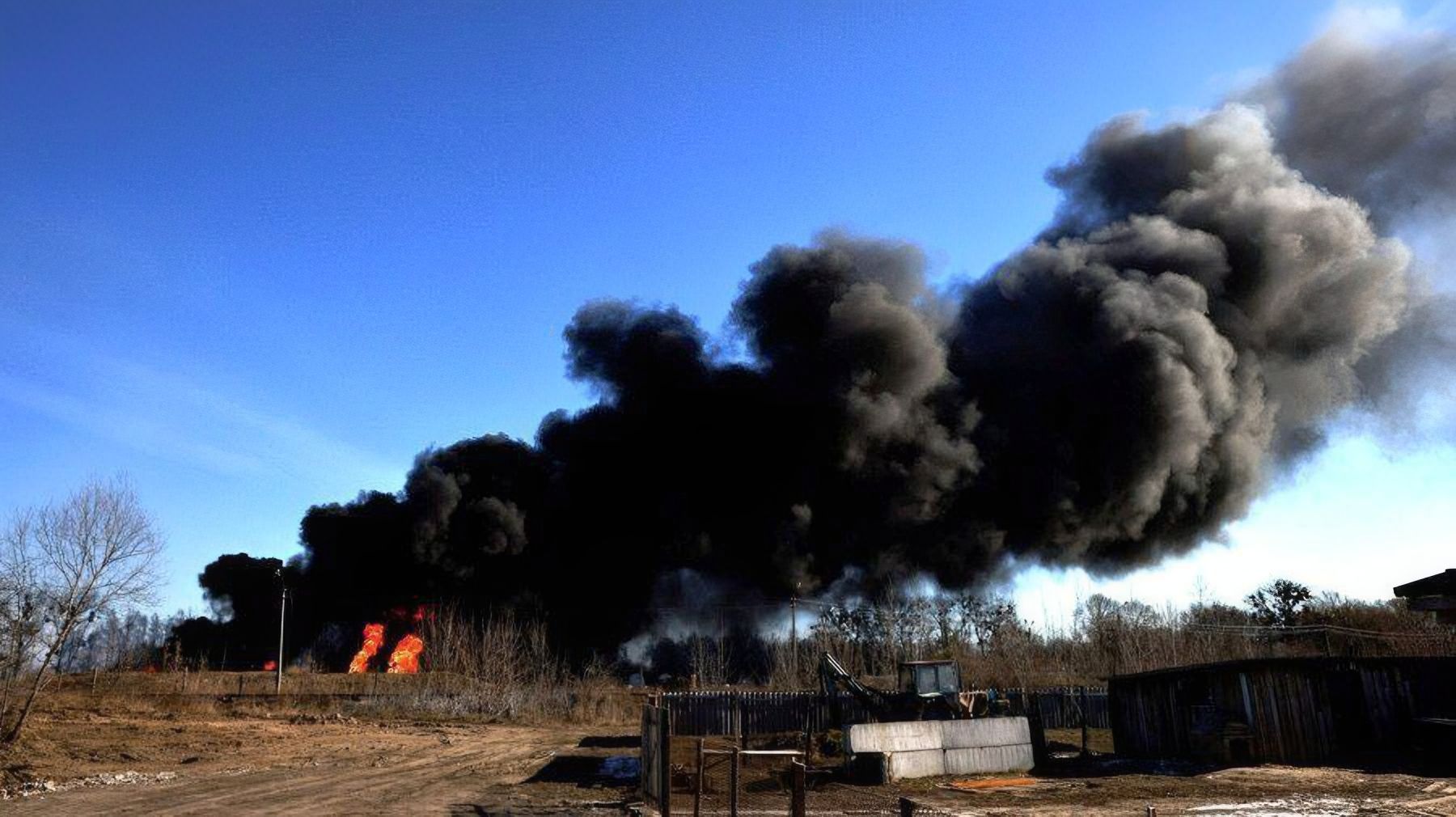
Russian air defense systems activated across Moscow Oblast beginning at approximately 2 a.m. local time. The Russian defense ministry said its forces intercepted and destroyed 167 of the incoming drones. It did not immediately provide figures for how many reached the metropolitan area. Reports on Russian social media showed explosions and fires in at least three districts on the city’s outskirts, including Ramenskoye, Podolsk, and the Lyubertsy suburb southeast of the capital.
Ukraine’s military command confirmed the attack in a statement Friday morning, saying it targeted military-industrial facilities and transportation infrastructure used to supply Russian forces in the war. It described the operation as a “deep strike mission” using domestically developed long-range drones and declined to confirm the total number of vehicles deployed.
Flights were suspended at Sheremetyevo, Domodedovo, and Vnukovo airports for roughly three hours from approximately 1:45 a.m. Moscow time. Hundreds of flights were diverted or delayed. By 5 a.m. local time, operations had resumed at all three airports, though delays persisted through the morning. Russian civil aviation authority Rosaviatsia said air traffic managers rerouted planes to airports in Nizhny Novgorod, Kazan, and St. Petersburg during the suspension.
Fire was reported at an industrial facility in the Lyubertsy district. Russian emergency services said the blaze was extinguished by approximately 6 a.m. and described it as originating from debris from an intercepted drone. Three people were reported injured in the Moscow area, according to Russian state media.
The previous largest drone attack on Moscow took place in November 2024, when Ukraine deployed more than 130 drones in a single overnight operation. Friday’s strike represents a significant escalation in the scale and coordination of Ukraine’s long-range drone program, which has expanded rapidly following Western deliveries of new navigation and targeting components.
Russia launched retaliatory strikes on Ukrainian energy infrastructure later Friday morning, firing ballistic missiles at targets in Kharkiv and Zaporizhzhia. Ukrainian air defenses intercepted the majority, but two power substations in Kharkiv were hit, cutting electricity to roughly 90,000 households. Ukrainian President Volodymyr Zelensky said the attacks proved Ukraine needed faster delivery of additional air defense systems from its Western partners.
The attack came one day after the United States Senate passed a supplemental aid package for Ukraine worth $14 billion, a bill that took three months of negotiation to clear bipartisan opposition in the chamber. The funds include additional air defense interceptors and artillery ammunition. European Union defense ministers meeting in Brussels Friday said they would accelerate their own contribution timelines.
Russian President Vladimir Putin condemned the attack in a brief statement Friday afternoon, calling it a “terrorist act” against civilians and pledging a response. He did not specify what form that response would take. Russia’s defense ministry said it was preparing additional countermeasures.
The UN Secretary-General’s spokesperson expressed concern about escalation and renewed calls for ceasefire negotiations. Ukraine said it had no interest in negotiations without a full Russian withdrawal from its territory. Ceasefire talks proposed by Turkey and Brazil in May had produced no agreed framework from either side.

Follow iNews Zoombangla On Google
Open the Google follow page and tap the checkmark option to receive more updates from iNews Zoombangla in your Google news feed.