Pakistan’s Prime Minister Shehbaz Sharif confirmed on Friday that the United States and Iran have agreed on the full text of a peace agreement, ending weeks of on-again-off-again diplomacy that followed the 2026 Iran war. The deal is being called the Islamabad Declaration, a name that recognizes Pakistan’s central role as mediator throughout the negotiations.
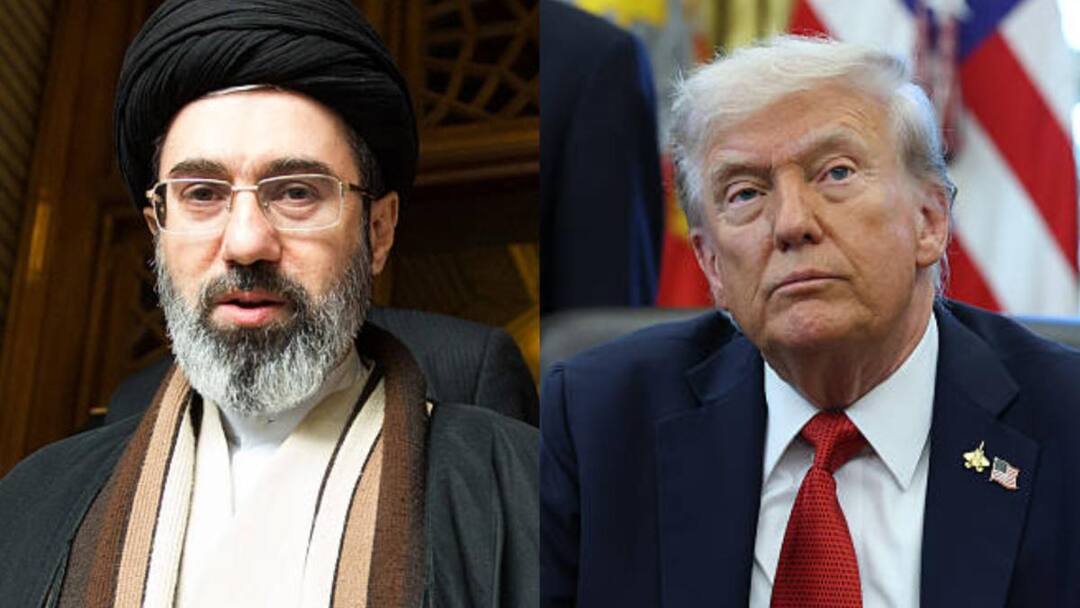
President Donald Trump said he expected a signing ceremony in Geneva as soon as this weekend, with Vice President JD Vance representing Washington at the event. Trump said he would not attend personally but praised the outcome as a historic achievement.
Iran’s Foreign Ministry offered a more cautious reading. Spokesperson Esmaeil Baghaei said the reports of a finalized agreement were “premature” and that Tehran’s leadership was still reviewing the final language. He acknowledged that negotiations had never moved closer to a conclusion.
The Islamabad Declaration, according to officials briefed on its contents, commits both sides to a 60-day extended ceasefire, the immediate reopening of the Strait of Hormuz without tolls, and phased sanctions relief for Iran contingent on compliance. Nuclear issues are deferred to a separate follow-on negotiating track.
The deal emerged after more than three months of direct talks held in Islamabad and Doha, with Qatar and Pakistan both serving as intermediaries. The conflict itself began on February 28 when the United States and Israel launched coordinated strikes on Iranian nuclear and military facilities.
Crude oil prices fell sharply on the news, with Brent crude dropping toward $90 a barrel after touching highs above $120 in March. The prospect of the Strait of Hormuz fully reopening has driven the steepest monthly oil price decline since the early months of the Covid-19 pandemic. See earlier analysis of oil price risks as context.
Analysts warned that the deal still faces significant hurdles. Hard-line factions inside Iran’s parliament were reported to be preparing public objections. Vance warned that economic sanctions relief would only flow if Iran “meets its obligations” under the agreement. The United Nations welcomed the diplomatic breakthrough. Earlier coverage of the Iran war ceasefire timeline and the Strait of Hormuz closure provides full context.

Follow iNews Zoombangla On Google
Open the Google follow page and tap the checkmark option to receive more updates from iNews Zoombangla in your Google news feed.