AI-generated video tools are no longer treated as novelty software in many creator conversations. The shift now visible is quality reliability, especially around 4K output and better audio-sync behavior. That mix matters because production teams are moving from experimentation to repeatable use.
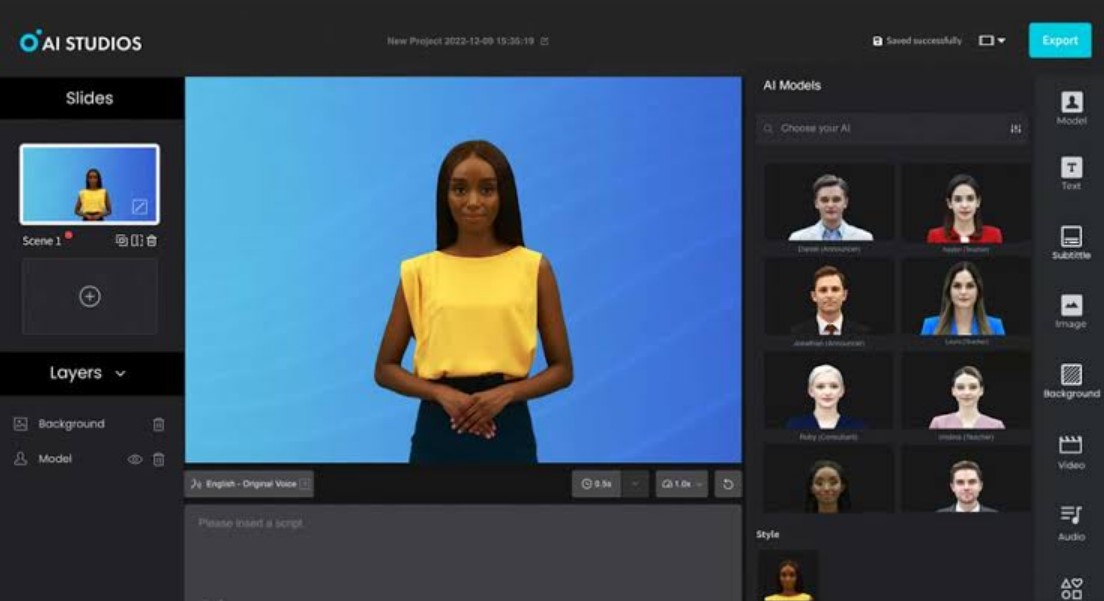
What changed is not just visual clarity. Better timing and cleaner speech-motion matching have reduced one of the most noticeable friction points in short-form and branded content work. If AI can produce cleaner results quickly, the workflow changes in practical, budget-friendly ways.
Why workflow teams are taking this seriously
Creative teams in media and marketing have always managed a quality-vs-cost tradeoff. If AI reduces one part of that gap without increasing review burden, adoption rises quickly. Better audio sync and stable high-resolution output are exactly the kind of improvements that make AI clips easier to repurpose, especially under pressure schedules.
That is driving testing across ad and social content teams, where output cycles are short and iteration speed is a real value metric. If an AI model can produce cleaner results quickly, teams can run more variations before lock time, which can reduce cost and improve campaign agility.
Why this is still a cautious story
The change is significant, but the coverage still needs precision. More accessible quality does not remove all risk around rights, verification, and brand consistency. Teams are still setting guardrails, and those guardrails are becoming part of the business conversation as much as the creative results.
The business signal is straightforward: AI video generation is crossing a threshold where quality improvements create operational pressure to integrate faster, not just to showcase one demo.
The quality jump is also changing approval behavior inside small teams. Editors who previously rejected AI output because audio sync required heavy cleanup are now testing whether it can stay in first-round production. That shift does not remove human review; it changes review timing and output volume. It is the small operational shift that tends to create the next adoption step.