Anthropic is in talks with Samsung Electronics to manufacture a custom artificial intelligence chip, according to The Information on July 2, 2026. The California-based AI company is exploring Samsung’s advanced 2-nanometer foundry process and packaging capabilities. The effort remains in early stages with specifications still being defined, but it signals Anthropic’s intention to reduce reliance on Nvidia’s dominant hardware.
Anthropic has hired specialized silicon engineers and is determining what the processor should do, how powerful it needs to be, and how it would fit into data center infrastructure. Samsung’s foundry business has been pushing aggressively for partnerships with high-profile customers, particularly as TSMC faces capacity constraints and longer lead times. A deal would mark another win for Samsung’s efforts to regain ground in advanced logic chips.
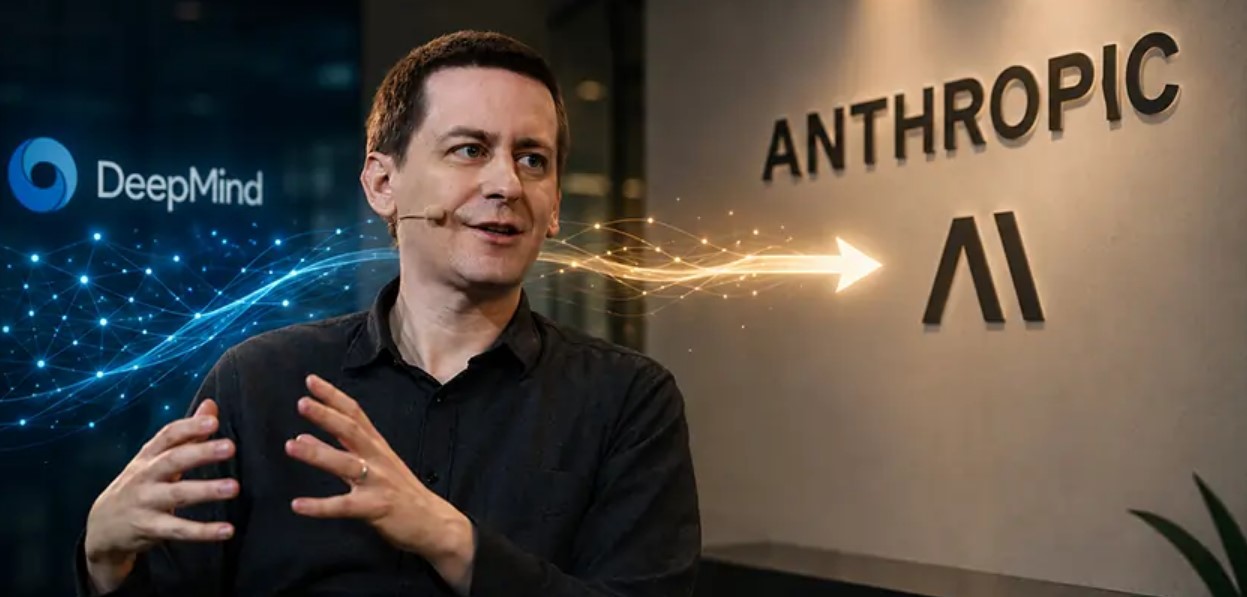
The Nvidia Dependency Problem
Every major AI lab now wants custom silicon. OpenAI tapped Broadcom to design its own chip and unveiled the inference processor Jalapeño in June 2026. Google, Amazon, Meta, and Microsoft have all built proprietary chips to reduce costs and speed up their AI workloads. Custom silicon lets these companies skip the Nvidia middleman and tailor hardware to their exact needs.
Anthropic’s move reflects the industry’s maturation. Early-stage AI labs used whatever GPUs they could buy. As companies scale toward profitability, custom chips become a capital-efficient long-term strategy. A tailored processor can be significantly cheaper to operate than buying off-the-shelf hardware at scale.
Samsung’s Strategic Position
Samsung’s foundry business lost $5.3 billion in 2023 and has struggled to compete with TSMC in cutting-edge processes. Anthropic would be a high-profile customer win. Other major AI customers—Google, Meta, and Amazon—work primarily with TSMC, which has superior technology at the most advanced nodes. Samsung’s 2nm process is competitive but still lagging TSMC slightly in maturity.
For Samsung, the Anthropic deal offers a credibility boost. Landing contracts with frontier AI companies proves Samsung can compete in the most demanding use cases. The company is also pursuing partnerships with other AI infrastructure players to diversify beyond consumer electronics.
Timeline and Scale
The discussions remain preliminary, meaning a final agreement is months away at minimum. Custom chip design typically takes 18 months to two years from conception to production volume. Anthropic won’t see chips shipping until late 2027 at the earliest. In the interim, the company will continue using Nvidia hardware, but the partnership announcement, if finalized, would signal confidence in scaling Anthropic’s operations.
Anthropic recently brought on Clive Chan, an early member of OpenAI’s custom chip team, as part of this broader hardware buildout. The hire underscores the company’s commitment to owning its silicon strategy. With Chan on board and Samsung in discussions, Anthropic is positioning itself as a vertically integrated AI company, controlling its own compute destiny.
Custom chips won’t fix the fundamental cost of training frontier models. But they can shave 10 to 30 percent off inference costs, where the real economic value sits. For Anthropic, that margin improvement could mean the difference between profitability and burn.
References
TechCrunch. (2026). Anthropic is discussing a new custom chip with Samsung. Published July 2, 2026.
Bloomberg. (2026). Anthropic in Talks With Samsung for Custom AI Chip. Published July 2, 2026.
The Information. (2026). Anthropic explores Samsung 2nm chip partnership. Published July 2, 2026.

Follow iNews Zoombangla On Google
Open the Google follow page and tap the checkmark option to receive more updates from iNews Zoombangla in your Google news feed.