Apple is splitting its flagship launch across two seasons for the first time. The iPhone 18 Pro, iPhone 18 Pro Max, and the company’s first foldable iPhone will launch in September 2026, while the standard iPhone 18, iPhone 18e, and a second-generation iPhone Air will arrive in spring 2027.
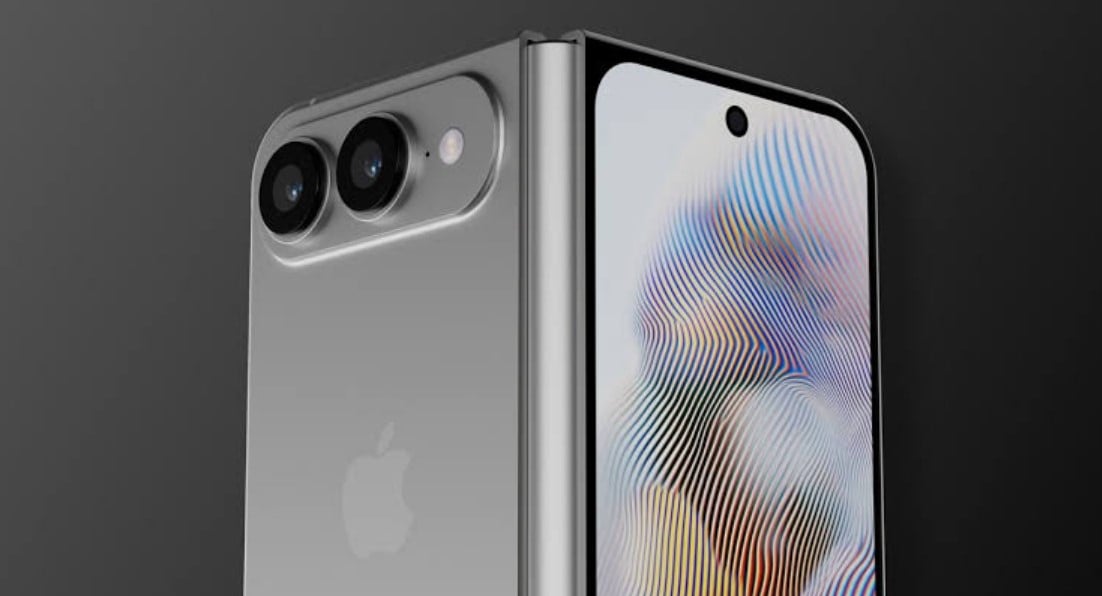
This staggered release strategy lets Apple spread out production and manage the rollout of more complex hardware—particularly the foldable, which requires new manufacturing approaches and a flexible display that’s proven challenging to produce at scale.
Apple’s First Foldable iPhone
The foldable will feature a flexible main display measuring approximately 7.8 inches across and a 5.5-inch exterior screen. Apple will likely announce it alongside the iPhone 18 Pro and Pro Max at the September event but may delay pre-orders for several weeks—similar to how the iPhone X was introduced in September 2017 but didn’t become available until November.
The gap between announcement and availability gives Apple time to ramp production and ensures sufficient stock before the device reaches customers. It’s a calculated approach that balances launch excitement with supply chain reality.
iPhone 18 Pro and Pro Max Details
The Pro models are expected to look similar to the iPhone 17 generation but with significant internal improvements. Rumored features include a smaller Dynamic Island, 5G connectivity via satellite, and design refinements based on user feedback.
Pricing is likely to increase, as Apple is passing along higher RAM costs to consumers. The jump from LPDDR5 to faster memory standards drives up manufacturing costs, and that expense will be reflected in the final price.
Production and Supply Challenges
Apple is planning an ambitious lineup: at least five new models and a larger volume of folding handsets than previously expected. Manufacturing a foldable at scale requires solving long-standing challenges around display durability, the hinge mechanism, and the crease that appears on the screen.
Multiple sources indicate production is on track, suggesting Apple has addressed key technical hurdles. But consumers will be the real test once folding iPhones arrive in customers’ hands.
Apple’s staggered launch strategy turns what could be a supply-chain headache into a separate news cycle for each product family.

Follow iNews Zoombangla On Google
Open the Google follow page and tap the checkmark option to receive more updates from iNews Zoombangla in your Google news feed.