BMW’s iX3 electric SUV will go on sale in the US as a model-year 2027 vehicle starting September 25, 2026. Pricing begins at $61,500 before a $1,395 destination fee, placing it squarely in the premium compact EV segment.
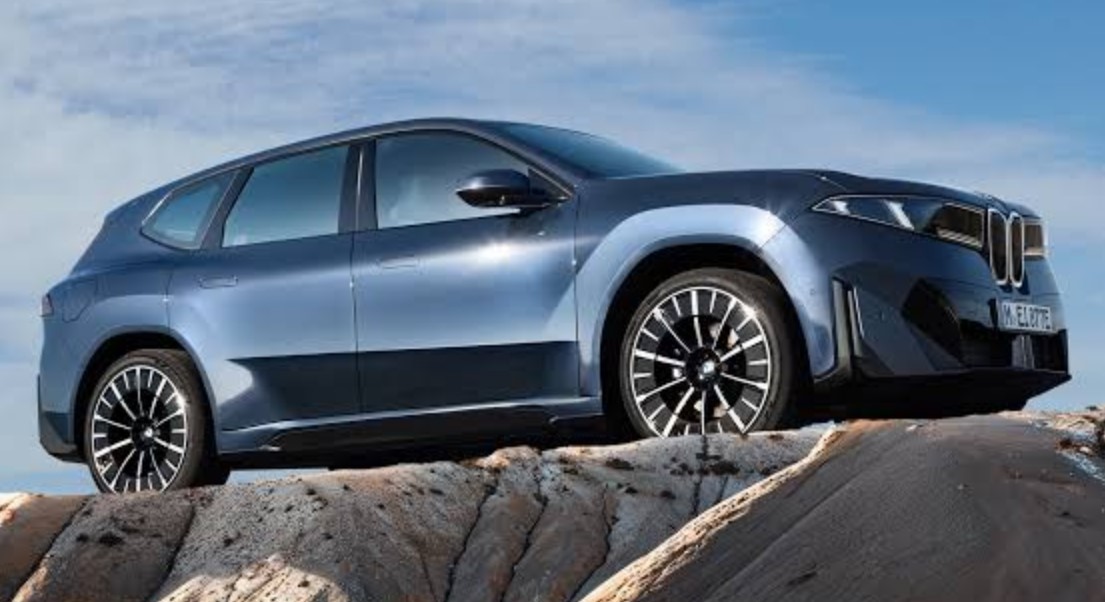
The iX3 completes BMW’s North American EV lineup. Alongside the iX xDrive50 flagship and i4 sedan, the iX3 targets buyers who want electric range without mega-sized cargo space or mega-sized payments.
The iX3’s Appeal
The iX3 splits the difference between compact and midsize. It’s smaller than the iX xDrive50 but larger than competitors like the Tesla Model Y. This positioning matters. Many US buyers feel the Model Y is either too small or too expensive. BMW assumes the iX3 fills the gap.
The design matches BMW’s current aesthetic. Long hood, short overhang, upright stance. It looks like an electric SUV, not a compromise vehicle forced to wear SUV clothing.
Range and charging matter more than power for most buyers. The iX3 achieves around 260 miles of EPA-estimated range. DC fast charging to 80% takes roughly 30 minutes. These numbers are competitive but not exceptional.
Dealer Network Advantage
Tesla doesn’t use dealers. BMW does. This is a liability in EV sales where service knowledge is crucial. But it’s an asset for buyers who want test drives, financing options, and local service. BMW’s dealer network spans the US. Tesla’s doesn’t.
Buyers can walk into a BMW dealership, sit in an iX3, and ask questions. They don’t have to coordinate with a sales bot online. For luxury buyers over 50, this matters.
Competition Context
The compact premium EV market includes the Model Y, Audi Q4 e-tron, and a few others. The iX3 is more spacious than the Q4 and less polarizing than the Model Y. It costs more than most competitors but less than the iX xDrive50.
This is BMW playing the middle. Middle price, middle range, middle size. It’s a safe bet, not a moonshot.
2027 Model Year Timing
Releasing as a 2027 model year in September 2026 gives BMW three months of sales data before the 2028 model becomes official. This staggered approach lets BMW fine-tune production and capture early demand before competitors.
The iX3 won’t dominate US EV sales. But it will capture buyers who prefer German engineering and dealer support over Tesla’s speed or price advantage. For BMW, that’s enough.

Follow iNews Zoombangla On Google
Open the Google follow page and tap the checkmark option to receive more updates from iNews Zoombangla in your Google news feed.