China’s LineShine supercomputer seized the top spot in global rankings Tuesday, delivering 2.198 exaflops of processing power and marking the first time a Chinese system has held first place since 2017.
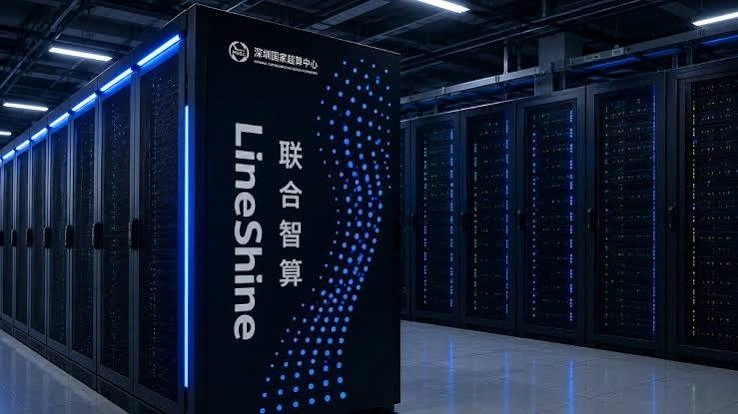
LineShine, located at the National Supercomputing Centre in Shenzhen, leads the United States’ El Capitan by 20 percent in raw performance. The machine executes more than two quintillion calculations per second. The gap demonstrates how quickly computing leadership can shift between nations.
Unlike other top supercomputers that rely heavily on graphics processing units for AI work, LineShine runs entirely on general-purpose central processing units. That design choice reflects different priorities. Traditional supercomputing benchmarks measure raw processing speed. Modern AI infrastructure increasingly lives inside cloud provider data centers that don’t publish performance metrics.
The distinction matters. El Capitan leads in configurations optimized for artificial intelligence development. LineShine wins on traditional metrics. Both claims are technically true, illustrating how supercomputing leadership fragmented into multiple categories.
Experts cautioned against reading too much into the TOP500 rankings for predicting AI dominance. The hyperscale cloud providers—Meta, Google, Microsoft, Amazon—build custom AI systems rarely submitted to public benchmarking. Their infrastructure may exceed what appears on any official list.
China’s system represents genuine technical achievement. Building domestically designed hardware avoids US export restrictions on advanced chips. China’s semiconductor supply chains remain limited but functional for this use case.
The geopolitical subtext is obvious. US policymakers have imposed export controls on advanced computing components to maintain technology leadership. China’s path around those restrictions signals that containment strategies have limits.
LineShine’s debut also marks the beginning of what the TOP500 organization calls the exascale era. Machines breaking two exaflops capability represent a generational leap. Competition will intensify as nations recognize supercomputing as critical infrastructure.

Follow iNews Zoombangla On Google
Open the Google follow page and tap the checkmark option to receive more updates from iNews Zoombangla in your Google news feed.