DJI has quietly introduced a new line of entry-level camera drones, but the rollout comes with a notable gap. The company confirmed that its newly announced Lito series, including the Lito X1, will not be available in the United States for the time being, as regulatory clearance remains unresolved.
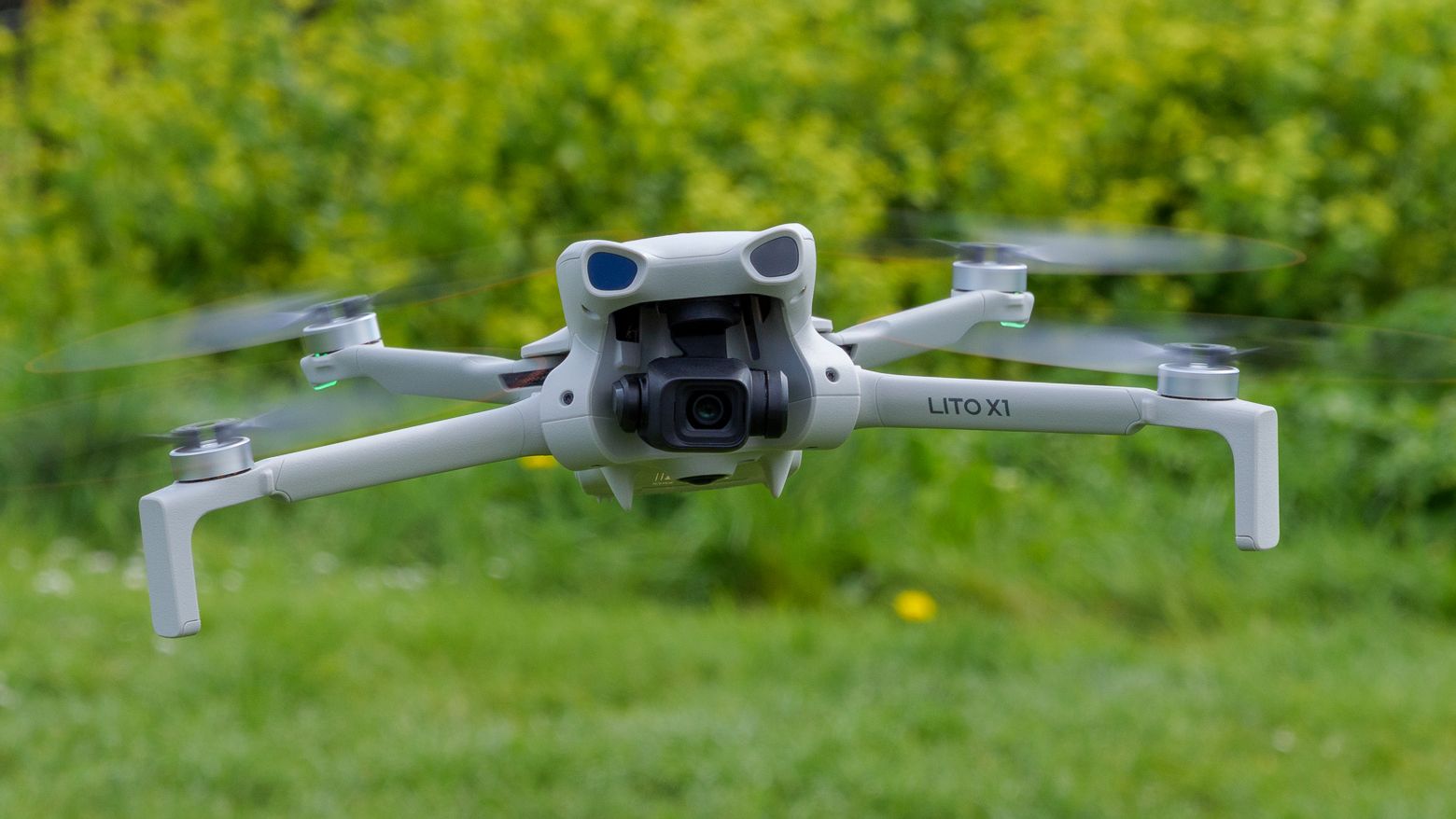
The decision leaves American buyers watching from the sidelines while the drones begin appearing in other regions. For a company accustomed to near-simultaneous global releases, the absence marks a departure from its usual launch pattern.
The Lito lineup is aimed at newcomers and casual users, a segment DJI has increasingly focused on in recent years. The base model, Lito 1, is built around a 48-megapixel 1/2-inch CMOS sensor and supports 4K video capture. It carries a feature set that reflects the company’s push to make advanced flight tools more accessible, including omnidirectional obstacle sensing and automated shooting modes such as QuickShots and Panorama.
Flight time is rated at up to 36 minutes, placing it within the expected range for drones in this category. Subject tracking through ActiveTrack is also included, signaling that DJI is not scaling back core capabilities despite positioning the device as entry-level.
The Lito X1, meanwhile, leans further into imaging performance. It uses a larger 1/1.3-inch sensor paired with a wider aperture, designed to improve results in mixed lighting conditions. The model supports HDR video with up to 14 stops of dynamic range and introduces a 10-bit D-Log M color profile, features more commonly associated with higher-tier consumer drones.
There are also signs of added attention to safety and convenience. Forward-facing LiDAR and built-in internal storage suggest DJI is targeting creators who want a straightforward workflow without relying heavily on external accessories.
Both drones support Wi-Fi 6 QuickTransfer, allowing users to move footage directly to a smartphone without cables, a feature that has become increasingly standard across DJI’s newer devices.
Pricing in markets such as Canada places the Lito series within reach of first-time buyers, while still offering enough capability to attract more experienced users looking for a compact option. That balance appears central to DJI’s strategy with this release.
In the United States, however, the company says ongoing authorization requirements have complicated the launch timeline. No clear date has been provided for when the Lito series might receive approval, if at all.
In the meantime, attention has shifted back to existing models already cleared for sale. Devices such as the Neo, Mini 4K, Mini 3, and Flip are currently seeing price reductions, making them more appealing to buyers unwilling to wait.
Read more:
The situation underscores a growing disconnect between global product releases and availability in certain markets. For now, the Lito series joins a list of devices that exist in one part of the world while remaining out of reach in another, with little clarity on when that gap might close.

Follow iNews Zoombangla On Google
Open the Google follow page and tap the checkmark option to receive more updates from iNews Zoombangla in your Google news feed.