Special Correspondent, Dhaka : Drug trafficking and related criminal activities have surged alarmingly in Nikunja and the adjacent Tanpara area, once regarded as one of the capital’s well-planned and peaceful residential zones. Local residents complain that the area, formerly known for its safety and family-friendly environment, now falls under the control of drug syndicates as soon as evening descends. From main roads and vacant plots to slum areas and alleys, the open sale and consumption of narcotics, alongside the movement of suspicious individuals, have become a daily occurrence. Consequently, a pressing question arises among the public: why does the administration remain silent despite such blatant dominance by drug cartels?
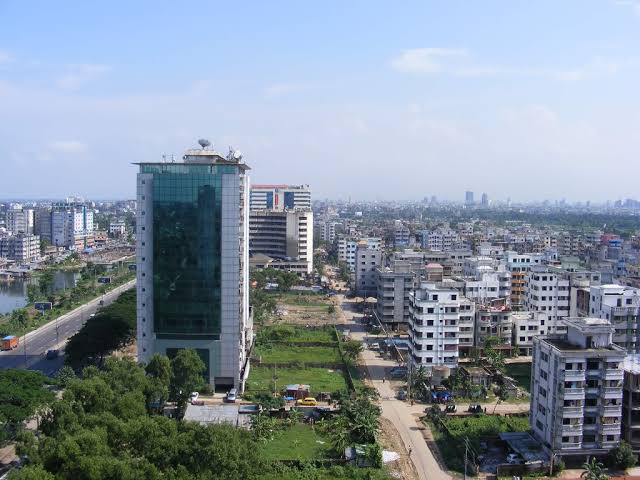
Residents recall that even a few years ago, the atmosphere in Nikunja and Tanpara was vastly different. Today, that tranquility has been replaced by an unsettling rise in “teenage gang” activities, theft, mugging, extortion, brawls, and loud, late-night gatherings fueled by the drug trade.
Identified Hotspots
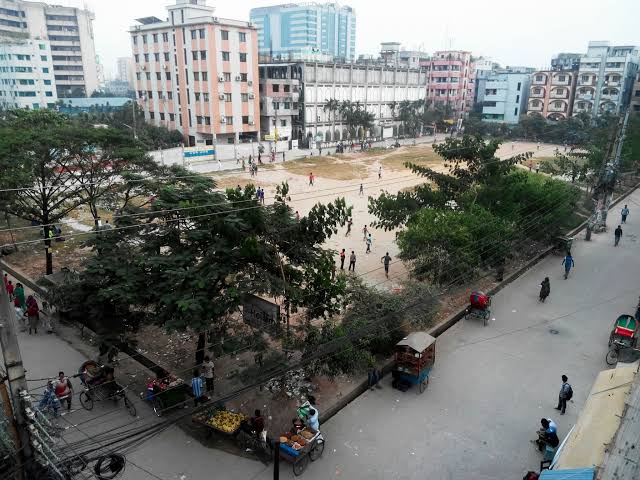
Local sources have identified over a dozen spots where drugs are openly sold and consumed. These include:
Nazrul’s Mess on Tanpara Westpara Road.
The vacant plot near “Loira Babul’s” house in Jamtala.
Alijan-er Tek, Aijja Slum, and the vacant areas near ATN.
The eastern side of “Pillar Khayer’s” house and the Petrobangla adjacent area.
The western side of Road 18 and the road near Jane Alam School.
The floating shop area in front of the BRTC building.
The eastern side of Roads 13 to 17 in Nikunja-2 and the vicinity of Amin Manzil.
According to residents, suspicious individuals arrive at these spots by motorcycle, auto-rickshaw, or on foot after dusk. Transactions and drug use continue late into the night. Those who dare to protest are often met with threats and intimidation.
The Rise of Political Patronage
Locals claim that drug activities have multiplied since August 5 of last year, as certain syndicates took advantage of the shifting political landscape. Many local youths have been lured into the trade by the prospect of quick money, causing immense distress to parents.
”Our children used to play in the fields; now we are afraid to let them step outside,” said one worried parent. “We have to constantly monitor who they are meeting and where they are going.”
There are further allegations that individuals are using political identities to shield their illicit businesses. Residents alleged that Nur Hossain Lal is operating a drug ring through his brother Babul by using the name of the Jubo Dal. Similarly, Mofababu, a known suspect in multiple cases, is allegedly running operations through his brother Zishan under the banner of the Swachchasebak Dal.
Other names mentioned in local complaints include Delwar (son of auto-rickshaw controller Tofazzal Hossain Baburchi), Robin (nephew of Titu Sarkar), Mithu (son of Moti), Nabi Hossain and Sabuz from Tanpara Muslim Bazar, Ripon the carpenter from Madhyapara, Khorshed and Asif from Aijja Slum, and Manik from Jamtala.
Note: The authenticity of these specific allegations could not be independently verified, and statements from the accused were unavailable.
Questionable Role of Khilkhet Police
Public frustration is mounting against the Khilkhet Police Station. Residents allege that night patrols have decreased significantly and police rarely intervene unless a major incident occurs. There are even suspicions that drug dealers receive advance warnings of raids, allowing them to flee before law enforcement arrives.
When contacted, Mohammad Abdul Alim, the Officer-in-Charge (OC) of Khilkhet Police Station, stated: “We are maintaining a ‘zero-tolerance’ policy against drugs. Immediate action will be taken upon receiving specific information. We seek the cooperation of the residents.”
However, the community remains skeptical. If a zero-tolerance policy is truly in effect, why do the same spots remain active for years? Why do the same names repeatedly surface?
Expert Analysis
Criminologists warn that drugs are the primary catalyst for broader social decay. Addicts often turn to theft, mugging, and domestic violence to fund their habits, while the drug trade plays a central role in the rise of juvenile delinquency.
Experts suggest that arresting retail sellers alone will not solve the crisis. The administration must dismantle the supply chains and hold the influential patrons and financial backers accountable. Regular raids, increased night patrols, CCTV surveillance, and the promotion of sports and culture for the youth are essential to reclaiming the neighborhood.
For the conscious citizens of Nikunja, the fact that a planned residential area has become a haven for drug cartels is a wake-up call for the city’s entire law enforcement apparatus. The community now waits to see if the administration will take decisive action or if the silence will continue.

Follow iNews Zoombangla On Google
Open the Google follow page and tap the checkmark option to receive more updates from iNews Zoombangla in your Google news feed.