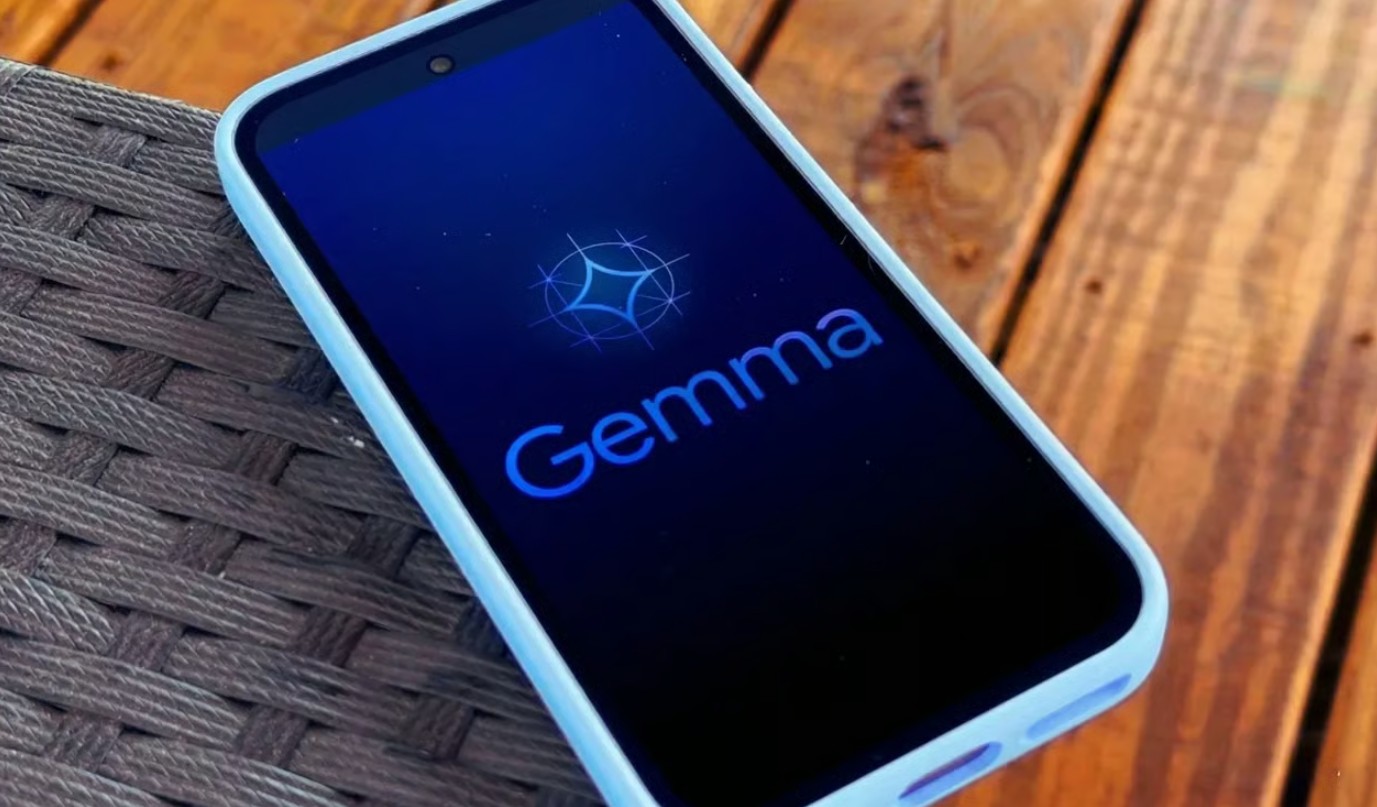
Google is pushing AI processing directly onto Android devices with Gemma 4 12B, a model that runs locally on your phone without sending data to the cloud. Android 17, rolling out in June and early July, includes these new capabilities built in.
This shift changes how phones work. Instead of asking a distant server for answers, your phone handles tasks on its own. That means faster responses and less reliance on a constant internet connection. It also means your personal data never leaves your device.
What Gemma 4 Can Do
Gemma 4 12B is up to four times faster than its predecessor and uses 60 percent less battery. Running with just 16GB of memory on a laptop or modern phone, it handles vision and native voice processing in a single system. That’s new. Previous models required separate pipelines for different input types.
The speed improvement is practical. Phone users notice when an AI task takes two seconds versus eight seconds. Slower AI feels broken. Faster AI feels instant. Google is optimizing for the latter.
Battery impact matters equally. Local processing was theoretically more efficient than cloud requests, but only if the model itself didn’t drain power. Gemma 4’s efficiency improvements close that gap. Running AI locally now costs less in battery than sending data to the cloud and waiting for a response.
Android 17’s AI Features
Android 17 brings AI-powered shortcuts that handle multistep tasks without your intervention. Write in natural language and Android automates bookings, shopping, and other routines. The system also adds Screen Reactions for recording picture-in-picture reactions, and Gemini-powered content summarization in Chrome.
Foldable phones get a layout optimized for gaming on flexible screens. That’s narrower than it sounds—it matters mainly if you own one of the increasingly common folding devices. But it signals Google’s confidence that foldables are here to stay.
Security upgraded too. Missing your phone now lets you lock it using biometrics from another device. More useful than it sounds—biometric authentication is faster than passwords and harder to fake.
Why This Matters
The shift from cloud AI to local AI is architectural. It changes where power lives in the system. Phone makers gain more control. Google loses some leverage. Users gain privacy. The tradeoff is real but worth examining.
For developers, local AI means new categories of apps become possible. Offline-first applications. Apps that work in airplanes. Apps that never touch the internet. That freedom matters in countries with unreliable connectivity, and it matters anywhere security or privacy is a concern.
Google isn’t abandoning cloud AI. But pushing local-first AI means phones are becoming computing devices in their own right, not just clients for distant servers.

Follow iNews Zoombangla On Google
Open the Google follow page and tap the checkmark option to receive more updates from iNews Zoombangla in your Google news feed.