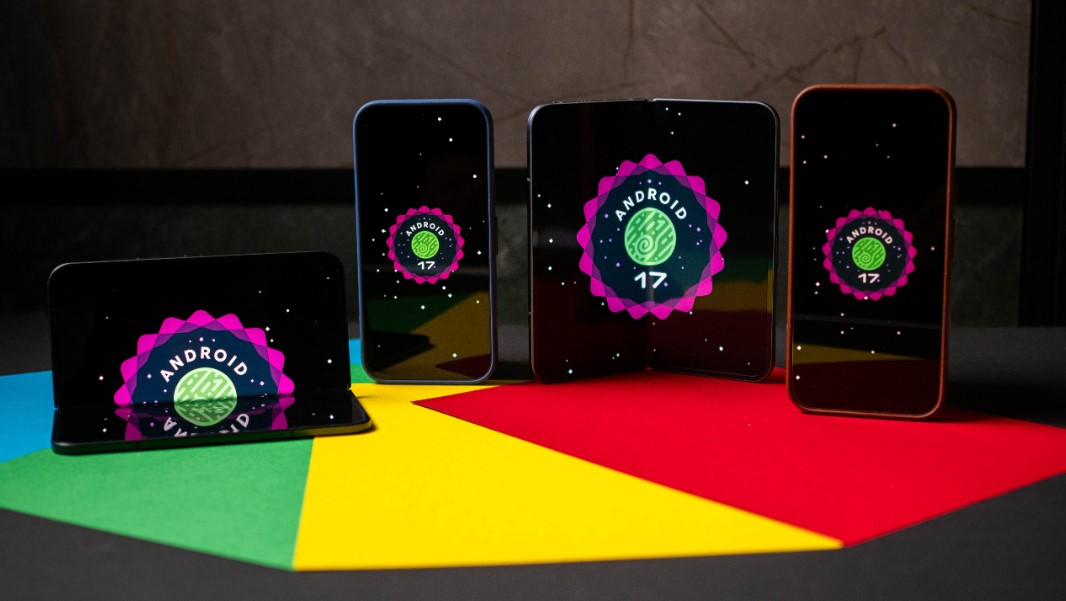
Google is now placing more weight on Android 17 usability and practical AI support. This rollout is being framed as more than a software refresh, because the update now reaches a broader set of active device groups while keeping the focus on everyday workflow behavior.
For readers, the practical side of this matters. If AI drafting, search and context suggestions are easier to use on routine devices, the update affects daily habits more than marketing headlines. That shift matters for people who want stable software gains, not another feature that is hard to find in normal use.
Why this update is being watched
When core AI tools become easier to access at a normal price point, expectations move across the market. Buyers begin comparing onboarding time, stability and task speed more quickly, and that can alter how they choose between devices. The result is a stronger software-first value discussion.
Device teams are also expected to align usage with regional behavior patterns, especially where storage, memory profile and language quality matter to adoption. That creates pressure on OEMs to tune user experience before users begin evaluating performance claims. In this sense, the rollout is now part of a practical buying map.
What to watch in the next update cycle
Readers will likely see this pattern play out through battery impact, interface clarity and how quickly assistants respond under stress. If those details improve consistently, the update stops feeling like a technical note and becomes a real benchmark for Android reliability in daily life.
For now, the key angle is simple: Android AI is being tested where most users actually spend their time, and that is where the real validation will happen.

Follow iNews Zoombangla On Google
Open the Google follow page and tap the checkmark option to receive more updates from iNews Zoombangla in your Google news feed.