Google Pixel achieved 16 percent year-over-year growth in Q2 2026, making it the only major smartphone brand gaining share while the global market contracted 11 percent. Counterpoint’s latest data reveals a bright spot in an otherwise bleak phone market.
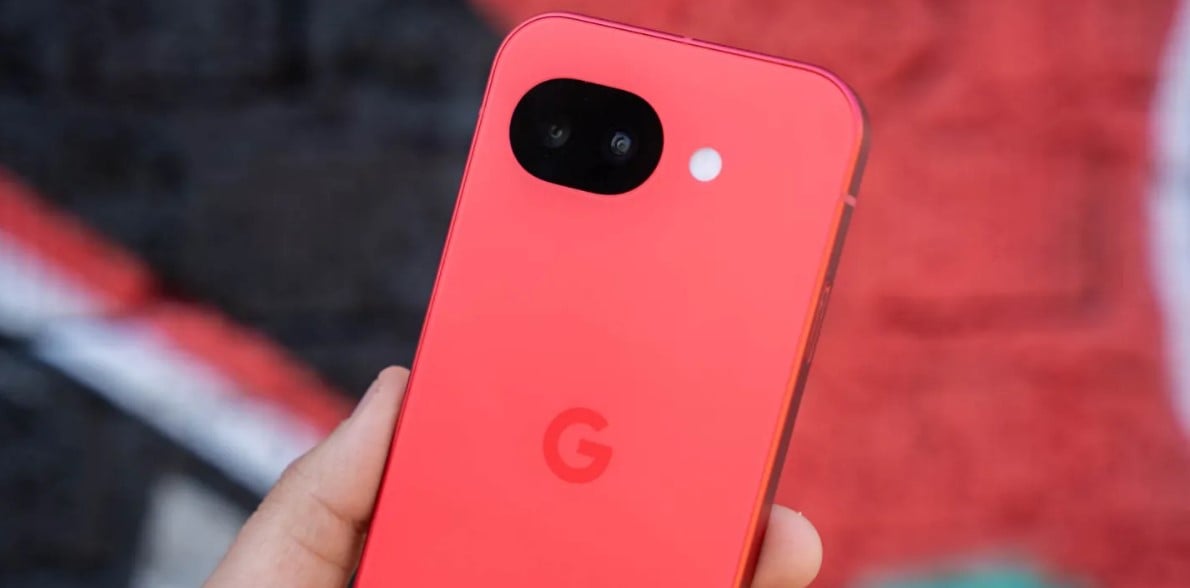
The growth reflects two things: Google’s strengthening presence in mature markets and rising demand for AI features. Computational photography and real-time translation are resonating with buyers tired of incremental phone upgrades.
Where Pixel Is Winning
In the US premium segment ($600+), Pixel’s share climbed from 0.1 percent in September 2022 to 7 percent by September 2025. That’s a dramatic gain, proving Google’s flagship appeal is real. The audience willing to pay premium prices for AI capabilities and software integration is growing.
Globally, Pixel holds roughly 1 percent of active smartphones. That sounds small, but it’s growing at a rate no other phone maker outside Apple and Samsung can claim. Analysts revised their 2026 forecast for Tensor SoC shipments from 13.1 percent to 18.9 percent growth—driven by AI differentiation and expanding reach beyond the US and Japan.
Why This Matters
Pixel’s growth defies gravity. In a market where discounting and commodity competition dominate, Google is selling premium experiences and premium prices. That’s rare. It signals a shift in how buyers evaluate phones: less about specs, more about what the phone can do for you in daily life.
When the smartphone market is in freefall, watching one brand climb tells you everything about the future: AI is the differentiator that matters.

Follow iNews Zoombangla On Google
Open the Google follow page and tap the checkmark option to receive more updates from iNews Zoombangla in your Google news feed.