Hyundai Motor India is urging the country’s automotive supply chain to develop more local capability in semiconductors, EV battery cells, rare-earth magnets and power electronics. Autocar Professional reported that Hyundai India CEO Tarun Garg made the call at the 66th annual session of the Automotive Component Manufacturers Association of India.
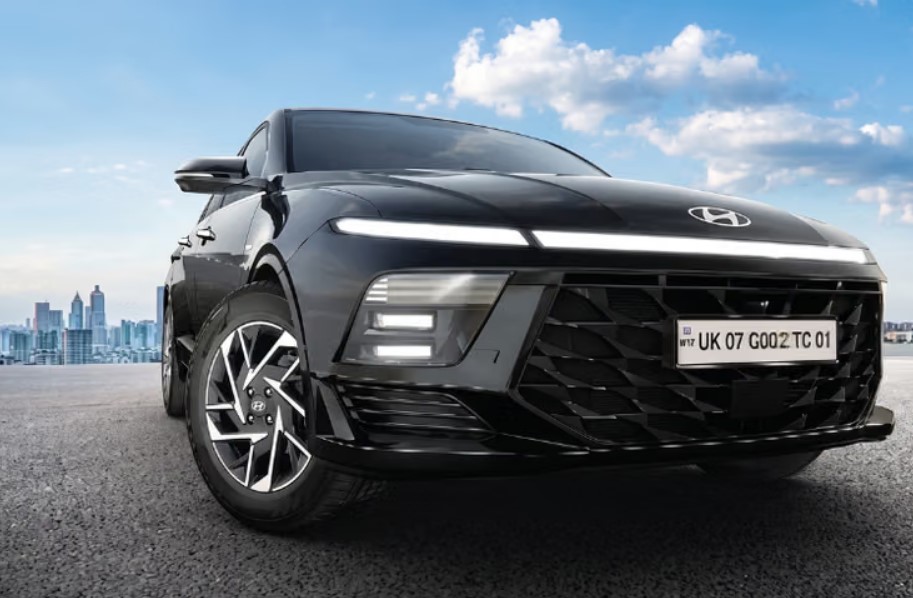
The Hyundai auto technology localisation discussion is about the parts that influence future vehicles, not only the assembly of familiar components. Garg said India has built manufacturing scale, but that advanced technology and design capability must grow alongside production. The argument is that a large factory network is more resilient when critical systems can be designed, tested and made closer to the vehicle plants that use them.
Semiconductors sit at the center of that concern. Modern vehicles use chips for power management, safety systems, infotainment, connectivity and battery control. A shortage in one small component can interrupt a complete vehicle programme. The report did not identify a new Hyundai chip plant or a confirmed supplier contract, so the current update should be read as an industry priority rather than a product launch.
Battery cells create a similar challenge for electric vehicles. A cell is more than a storage unit; its chemistry, quality control, thermal behavior and software settings affect the battery pack and the vehicle around it. Hyundai Motor Group has already expanded its Hyundai Center of Excellence in India to seven academic partners for battery and electrification research, according to the group’s official newsroom. That research network provides a foundation, but it does not by itself establish mass production of every battery component.
Rare-earth magnets are important for many high-performance electric motors. Their availability can influence motor design, cost and production timing. Local alternatives would not remove the need for international trade, but they could give manufacturers more choices when a concentrated supply chain becomes difficult to use. The final result would depend on material quality, refining capacity, motor design and the price of the finished component.
Power electronics connect the battery, motor and control systems. In an EV, inverters and related components manage the flow of electricity and help determine how efficiently the motor can respond. Developing those parts locally requires semiconductor knowledge, testing equipment, software controls and engineers who understand the complete vehicle duty cycle.
Hyundai’s earlier localization disclosures show that the company already works with a large domestic supplier base. A 2025 Hyundai Motor India release said the company had localized more than 1,200 components and had begun assembling battery packs in Chennai. That is useful context, but it should not be confused with the new call for deeper capability in cells, chips, magnets and power electronics.
Garg also urged component makers to invest in research and innovation and to move beyond exports of mature parts. For suppliers, that means taking responsibility for designs, patents, validation and production quality rather than competing only on assembly cost. Carmakers would still need to share vehicle requirements and provide a path from prototype work to an approved production part.
The practical test will come when a supplier’s technology reaches a vehicle that customers can buy. Cost, warranty performance, safety certification, repair support and the ability to scale will matter as much as the first demonstration. Hyundai’s statement sets a direction for India’s automotive technology ecosystem, while the timeline for individual local components remains open.

Follow iNews Zoombangla On Google
Open the Google follow page and tap the checkmark option to receive more updates from iNews Zoombangla in your Google news feed.