The Steam Machine 128GB RAM experiment has pushed Valve’s compact PC far beyond its normal gaming configuration, but it makes a simpler point: adding capacity does not automatically make a game run faster. Geeky Gadgets reported that a 2x64GB SO-DIMM setup could be recognized by the machine after BIOS work and troubleshooting. The result is technically notable, yet it is not a sensible upgrade target for most players.
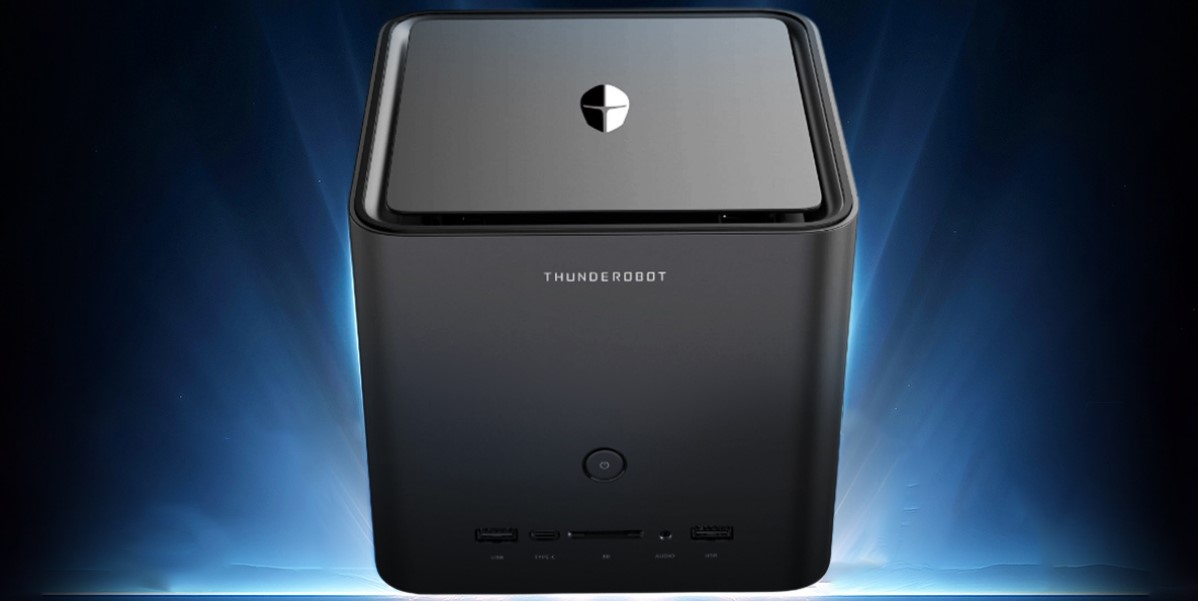
Valve’s own Steamworks documentation describes the Steam Machine as a small-form-factor gaming device running SteamOS with a semi-custom AMD desktop-class processor and graphics system. The hardware is built to play games from the Steam library, not to serve as a workstation with a large memory pool. Valve also says the machine is designed to be roughly six times more powerful than the Steam Deck, which places the focus on graphics and platform performance rather than extreme system RAM.
The retail machine normally ships with 16GB of DDR5 memory. PCWorld and Tom’s Hardware reported that the first consumer batch uses one 16GB DDR5-5600 SO-DIMM and leaves a second memory slot empty. That single-channel design can reduce memory performance compared with a matched dual-channel setup, so the more practical question is how to restore memory bandwidth rather than how to reach 128GB.
Geeky Gadgets said its 128GB test required a 2x64GB kit, BIOS adjustments and patience while the system recognized the higher capacity. The report also described early stability issues and a difficult teardown. Opening a small computer can damage cables, boards or fasteners, and Valve’s support material warns that the company is not responsible for damage caused while a user modifies the machine.
Once the full memory amount was available, the gains were limited in gaming and ordinary use. Most games do not need 128GB of system memory, and the Steam Machine’s graphics memory and processor remain the same after a RAM swap. More capacity can help a desktop user who runs several demanding applications, but that is a different workload from launching a game through SteamOS.
A matched dual-channel upgrade is a clearer path for owners who want to address the factory configuration. PCWorld reported that adding another compatible 16GB module can take the system to 32GB and recover the benefits of dual-channel memory. The price, module compatibility and installation difficulty still need checking, and a kit should be matched carefully rather than chosen only by its headline capacity.
The machine’s upgrade options are also limited by its role. Valve’s documentation and support pages describe built-in storage management, microSD support and a desktop mode, but they do not turn the box into an open-ended high-end workstation. A buyer who needs large memory for video work, virtual machines or local development may get better value from a conventional desktop with easier access and broader component choices.
The 128GB Steam Machine experiment is useful because it separates what is possible from what is worthwhile. It confirms that the platform can accept an unusually large memory configuration under the right conditions, while the available reporting points to small gains for gaming and a demanding installation process. For most owners, a stable dual-channel 16GB or 32GB setup is the more reasonable performance decision; 128GB is mainly a hardware curiosity and a test of the machine’s limits.

Follow iNews Zoombangla On Google
Open the Google follow page and tap the checkmark option to receive more updates from iNews Zoombangla in your Google news feed.