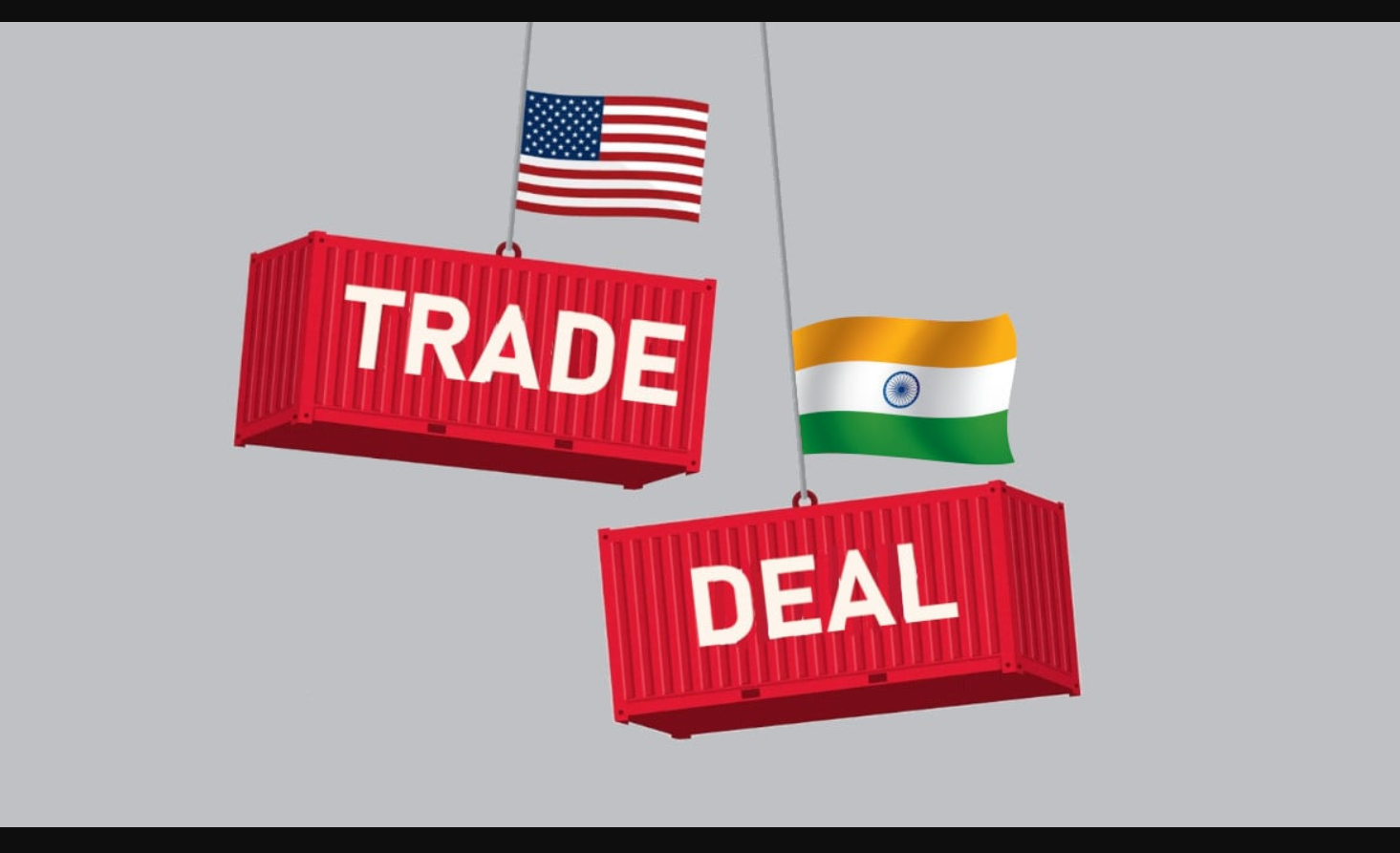
A trade agreement between India and the United States announced in February 2026 reduced American reciprocal tariffs on Indian goods from 25 percent to 18 percent, bringing India’s rate broadly in line with most other Asian economies competing in US markets. Goldman Sachs estimated the deal would add around 0.2 percentage points to India’s GDP growth over the coming year.
What the Deal Covers and What It Means for Indian Exporters
Indian goods had been facing a 25 percent reciprocal tariff under the framework the Trump administration put in place for countries it considered to have significant trade imbalances with the US. The reduction to 18 percent is a meaningful improvement but still above the rates some competing Asian economies now face after their own negotiations.
Indian exporters in sectors including electronics, pharmaceuticals, textiles, and automotive components stand to benefit most directly from the lower rate.
Goldman Sachs noted that the trade deal provides an incremental but real boost to an economy already growing at 7.7 percent.
The Broader India-US Relationship Behind the Numbers
The trade deal came at a time of growing strategic alignment between India and the United States on technology, defense, and supply chain resilience. The economic component of that relationship had been complicated by the tariff dispute, and the February agreement removed a source of friction.
Indian government officials described the deal as balanced and consistent with India’s trade policy principles.
India’s exporters have a lower tariff rate going into the second half of 2026. The deal is modest in isolation but meaningful as a signal that the world’s fastest-growing major economy and the world’s largest have found a way to reduce friction.
References
Goldman Sachs. (2026). The Outlook for India’s Economy in 2026 amid A New US Trade Deal.

Follow iNews Zoombangla On Google
Open the Google follow page and tap the checkmark option to receive more updates from iNews Zoombangla in your Google news feed.