Apple appears to be lining up another quiet but consequential update to its product lineup, with the iPhone 17e expected to arrive roughly a year after the debut of the 16e. The timing, according to reporting from Mark Gurman, points to early March, a window Apple has increasingly used for hardware that sits just outside its flagship cycle.
The iPhone 17e is described as a modest but deliberate step forward. At its core is the A19 chip from the broader iPhone 17 family, bringing the device in line with Apple’s current silicon generation rather than last year’s leftovers. MagSafe charging is also expected to return, a feature that had become an easy way to distinguish Apple’s lower-cost phones from its premium models.
Another notable shift is internal. The 17e is set to move to Apple’s in-house cellular chips, continuing a transition the company has been pursuing gradually across its hardware. While the change is unlikely to be visible to most users day to day, it reflects Apple’s longer push to reduce reliance on outside suppliers and tighten control over performance and power efficiency.
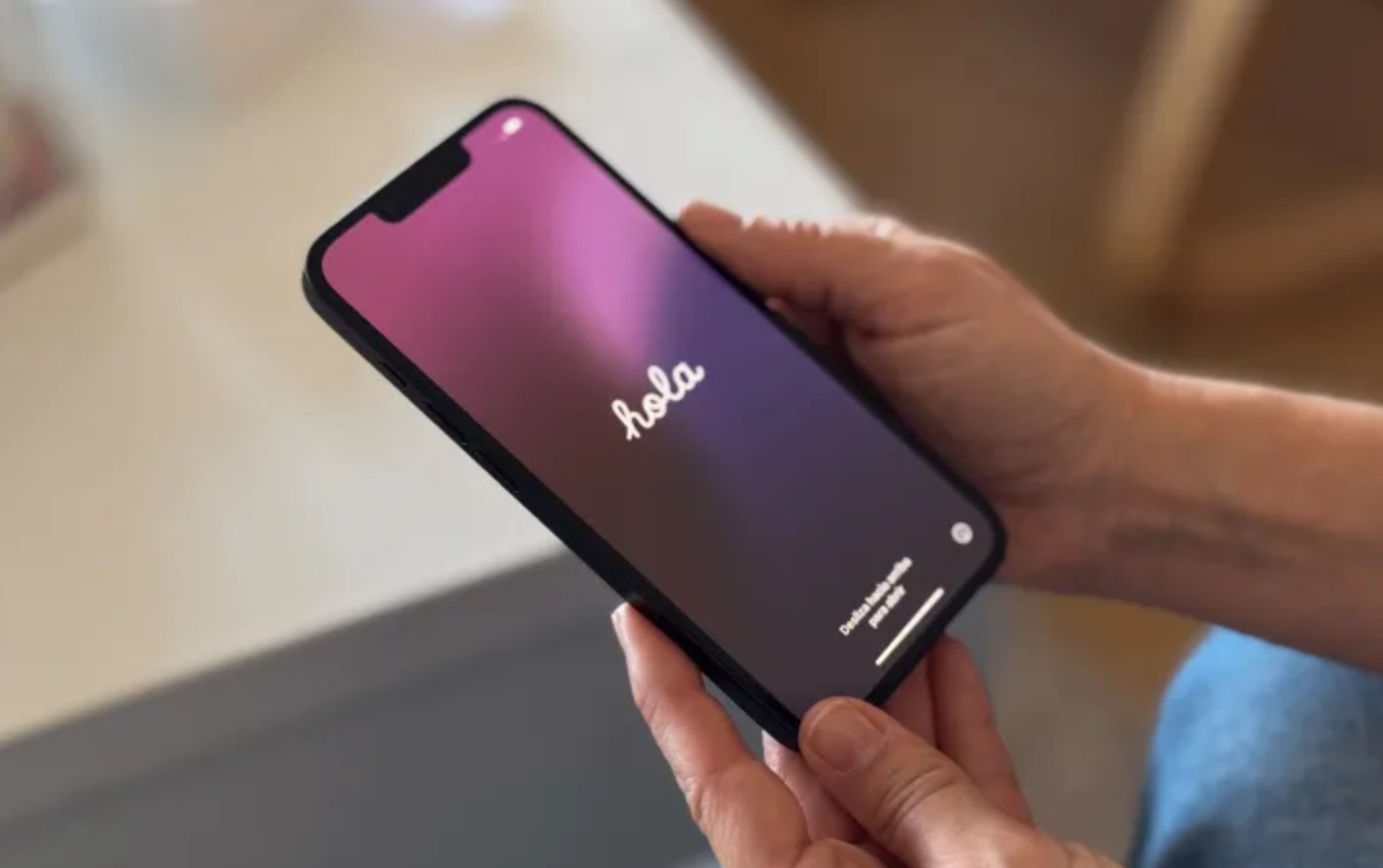
Perhaps more striking is what is not expected to change. Despite rising component costs, including memory and storage, Apple is reportedly planning to hold the iPhone 17e’s price steady. The company’s strategy, Gurman suggests, is less about redefining the phone and more about expanding its reach, particularly in emerging markets and enterprise deployments where predictable pricing and long support cycles matter.
That confidence appears to be shaped by the competitive landscape. With little movement anticipated from rival midrange phones this year and other manufacturers focused on higher-end devices, Apple seems to see room to push the 17e aggressively without needing dramatic hardware differentiation.
The iPhone will not arrive alone. Apple is also expected to introduce an updated base iPad and a refreshed iPad Air around the same time. The entry-level iPad is slated to move to an A18 chip, a change that would bring support for Apple Intelligence features. The iPad Air, meanwhile, is expected to step up to an M4 processor and transition to an OLED display, a meaningful upgrade for a product that sits between Apple’s consumer and professional tablets.
Additional Mac updates are also part of the same window, including spec bumps for MacBook Pro models and a MacBook Air powered by the M5 chip. Taken together, the lineup suggests a coordinated spring refresh rather than a single headline product.
If the timeline holds, Apple’s early March announcements will not redefine its ecosystem, but they will quietly reshape the middle of its lineup. For many buyers, that steady refinement, rather than spectacle, is likely the point.

Follow iNews Zoombangla On Google
Open the Google follow page and tap the checkmark option to receive more updates from iNews Zoombangla in your Google news feed.