iQOO has confirmed the display technology that will define its upcoming iQOO 16 flagship. The company says the phone will use a 2K-resolution panel with a 165Hz refresh rate, making it the first smartphone announced with that combination, according to NokiaMob’s report on the companies’ September 14 event.
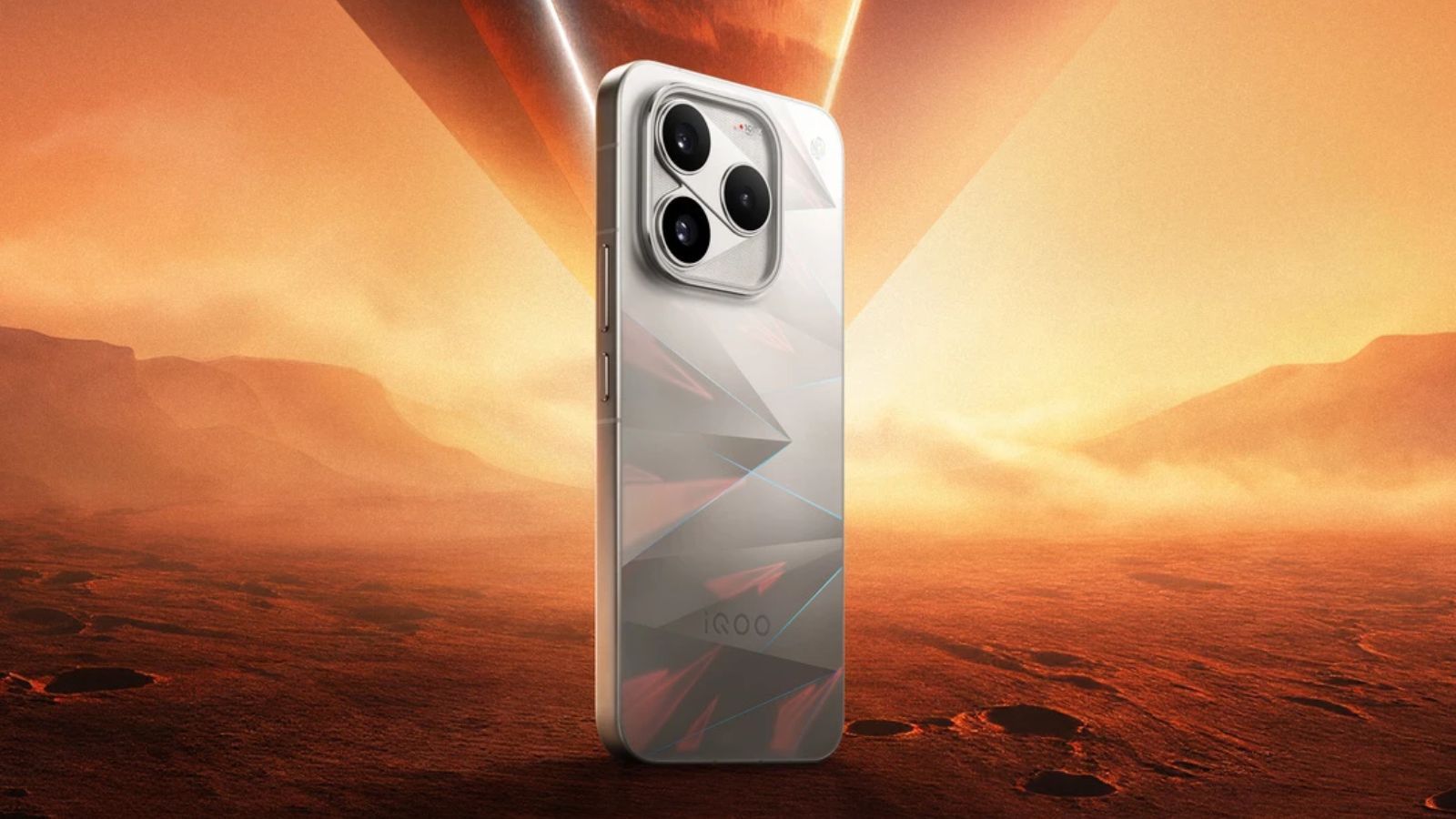
The panel was presented during a joint Samsung Display and iQOO technology event. It uses Samsung Display’s 2K LEAD 2.0 technology, a development that places the screen at the centre of the next iQOO phone rather than treating it as a routine specification upgrade.
iQOO also confirmed that the iQOO 16 will be the first Android smartphone to use Samsung Display’s M16 luminescent material. That material is part of the panel’s construction and is intended to support the screen’s brightness and efficiency characteristics. The announcement did not provide a retail price or a complete list of the phone’s specifications.
A 165Hz refresh rate means the display can update the image more frequently than the 120Hz panels used by many current premium phones. The difference should be most visible in compatible games and in fast scrolling. It will not automatically improve every app, however, because the software and the individual game must support higher frame rates.
The two companies have also developed a custom high-refresh-rate integrated circuit for the display. NokiaMob reports that a dedicated production line will be used for the iQOO flagship series. That detail points to a coordinated effort between the phone maker and the panel supplier, with the display being designed around the device rather than selected as an off-the-shelf component.
iQOO has not yet announced the iQOO 16’s full launch schedule, regional availability or camera and battery details in the display announcement. Those details will determine how the phone compares with other flagships when it reaches the market.
For now, the confirmed headline is clear: the iQOO 16 is being built around Samsung’s 2K LEAD 2.0 screen, a 165Hz refresh rate and M16 material. The combination gives the upcoming phone a specific display identity before its broader hardware package is revealed.