Strait of Hormuz news moved sharply on August 8 after Iran said an understanding with Oman on navigation and control of the waterway was close, while insisting that such an agreement alone would not reopen the strategic shipping route. The statement left the main diplomatic question unresolved because Tehran tied reopening to broader demands involving the United States.
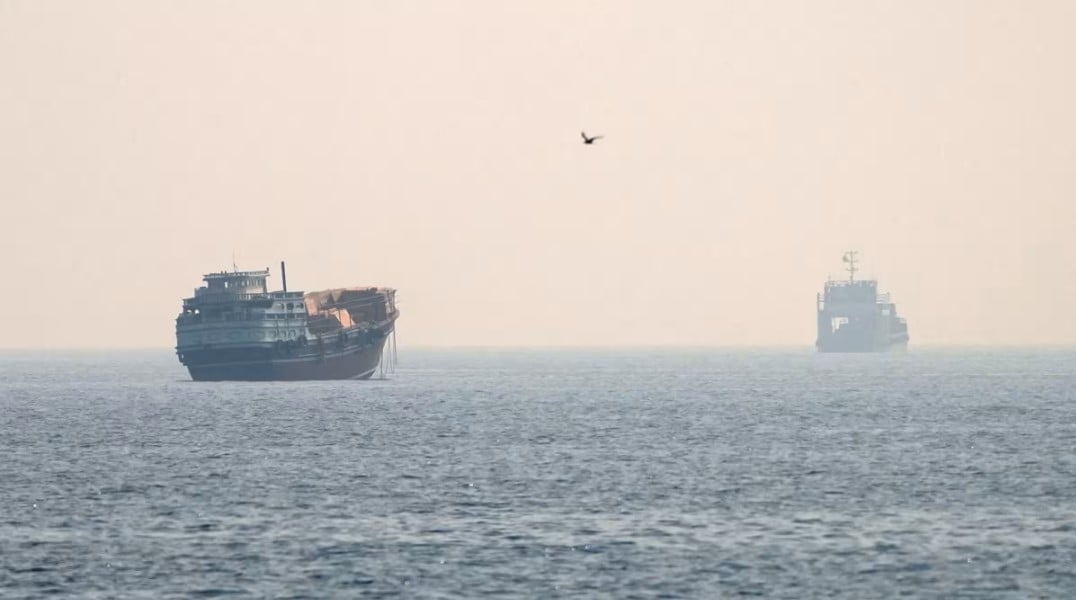
Iran’s Supreme National Security Council set conditions that included an end to U.S. military pressure, sanctions relief and access to frozen assets, according to the Associated Press. Reuters separately reported that Tehran was also seeking compensation and an end to hostilities before normal traffic could resume. Oman said its talks with Iran had been constructive, but no final reopening agreement had been announced.
The negotiations matter well beyond Iran and Oman because the Strait of Hormuz is a major passage for oil and gas shipments from the Gulf. The prolonged disruption has forced shipping companies, energy traders and governments to watch each diplomatic step closely. Reuters reported that the interruption has added pressure to energy prices and broader inflation concerns, while earlier talks had left important questions about vessel control, fees and security unresolved.
Security conditions around the waterway also remained tense on August 8. The United Arab Emirates accused Iran of launching a missile at a vessel linked to state oil company ADNOC while it was transiting the strait. Reuters and AP both reported the accusation, and AP said no casualties were reported in that incident. Iran’s position on the allegation was not included in the reports reviewed for this article.
The latest statements therefore point to progress on a limited navigation arrangement, not a completed settlement. Any reopening would still require agreement on the wider political and security conditions that Iran has attached to the process. Those demands involve Washington directly, making an Oman-Iran understanding only one part of a larger negotiation.
For shipping markets, the practical test will be whether commercial traffic can move regularly and safely through the waterway again. Reuters has noted that resumed cargo flows and lower war-risk costs would be stronger evidence of normalization than political statements alone. Until those changes appear, operators are likely to treat the route as exposed to continuing disruption.
As of the latest confirmed reporting on August 8, Iran and Oman were still working toward an arrangement, but the Strait of Hormuz had not been reopened under a final deal. Tehran’s additional conditions remained unresolved, and the UAE’s accusation of a fresh attack underscored how quickly security events could complicate the negotiations.

Follow iNews Zoombangla On Google
Open the Google follow page and tap the checkmark option to receive more updates from iNews Zoombangla in your Google news feed.