The Japanese yen slid past 161 against the US dollar last week, pushing the currency within range of its weakest level since 1986 and reviving pressure on Tokyo to intervene in currency markets.
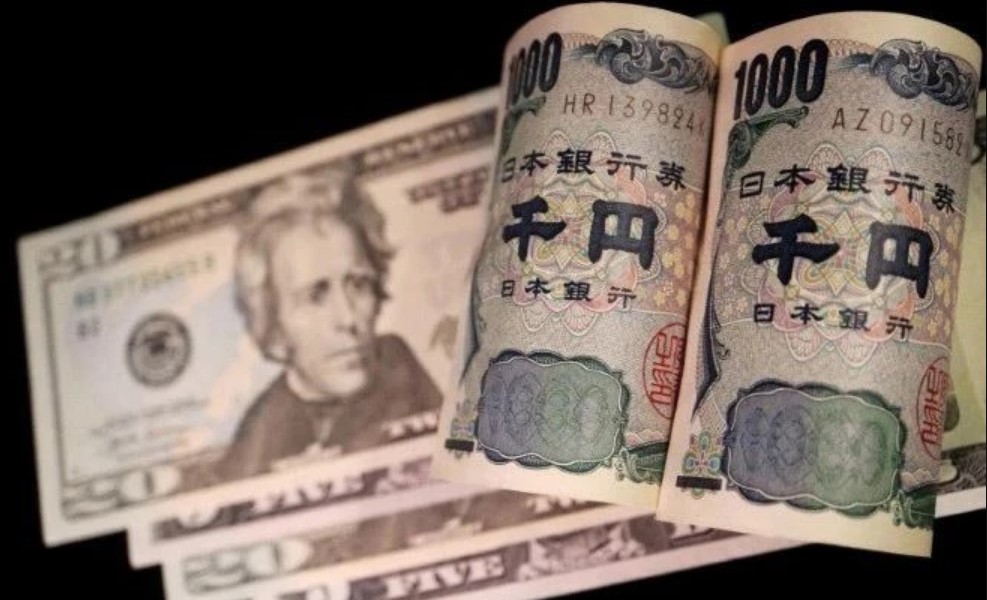
A breach of 161.96 would mark a four-decade low for the yen. Bank of Japan deputy governor Ryozo Himino told parliament the central bank was closely monitoring exchange rate movements because of their direct impact on inflation and economic conditions. Finance Minister Katayama issued a separate statement indicating readiness for bold action against speculative currency moves.
The yen’s weakness reflects structural pressures that market intervention has struggled to address. US Treasury yields remain elevated, making dollar-denominated assets more attractive than yen holdings. Prime Minister Sanae Takaichi’s growth-first economic platform has also weighed on the currency by signaling that fiscal restraint is not a near-term priority.
Japan intervened heavily in currency markets in 2024, spending hundreds of billions of yen to arrest a similar slide. Those moves produced short periods of stabilization but did not reverse the underlying trend. The Bank of Japan raised its key interest rate to one percent earlier this month, a level not seen since 1995, but the move has not halted the yen’s decline.
A weaker yen raises import costs in a country that depends heavily on foreign energy and food. It also lifts the yen-denominated revenue of Japanese exporters, creating a split in how different parts of the economy respond to the same exchange rate movement. The political sensitivity is high in an election year.
Global monetary policy divergence is putting pressure on multiple currency markets. The Federal Reserve held rates at 3.5 percent at its June meeting, with new chair Kevin Warsh signaling no cuts for the rest of 2026. The OECD warned that the US faces the highest G7 inflation rate at 4.2 percent and slowing growth in 2026. Bitcoin traders have also been watching the Bank of Japan closely, as yen carry trades remain a key factor in crypto liquidity conditions.
Currency traders are watching 161.96 as the next key threshold. If the yen breaches that mark without a Tokyo response, pressure will build on the finance ministry to follow through on its warnings. The Bank of Japan’s next policy meeting will be watched for any signal on the pace of further rate adjustments.
Tokyo’s warnings have grown more specific in tone over the past week, suggesting officials are preparing a response. The Bank of Japan publishes real-time policy updates and market statements on its official site.

Follow iNews Zoombangla On Google
Open the Google follow page and tap the checkmark option to receive more updates from iNews Zoombangla in your Google news feed.