KiWear has opened a Kickstarter campaign for a screenless smart ring that uses hand and finger gestures to control supported devices. The company says the ring can work with phones, tablets, computers, televisions, projectors, selected smart glasses and some vehicles.
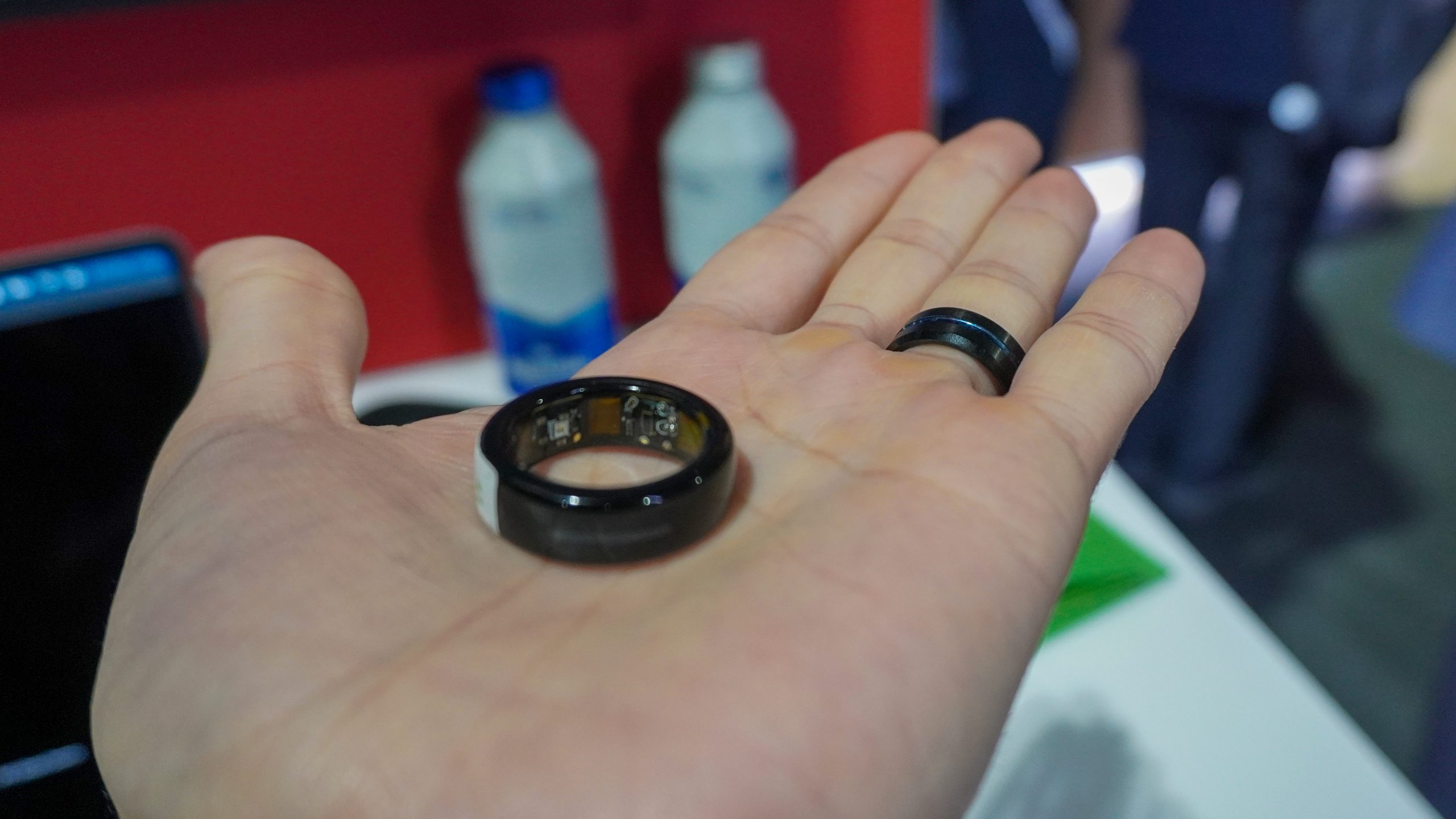
The campaign FAQ, updated September 2, describes the KiWear Ring as a gesture controller, air mouse and multi-device input device with health-tracking functions. The ring does not include a display, so controls appear on the connected device instead of on the ring itself.
KiWear lists swipes, pinch gestures, taps, presses, directional movements, air-mouse control and device switching among its supported inputs. The companion app can map gestures to commands, although the company says the exact functions depend on the final software version and the connected device.
The ring is designed to work with both iOS and Android devices. KiWear says supported functions can include media control, navigation, camera control, calls and screenshots on compatible Apple devices. It also warns that compatibility can vary by operating system and app.
Tom’s Guide included a KiWear smart ring among its AWE 2026 XR picks. The publication described gesture controls for selecting apps, changing volume and navigating a smart-glasses interface. That hands-on coverage offers independent context for the company’s current campaign information.
KiWear says the ring uses a zirconia ceramic outer shell and an epoxy resin inner layer. The FAQ lists an approximate thickness of 3 millimeters and says the ring is designed to be waterproof and sweatproof. It does not include a vibration alert in the current generation.
The campaign is a crowdfunding project, so a pledge is not the same as buying an already shipping retail product. KiWear says backers will confirm their final size after the campaign and that the ring will ship in the order supporters joined once production begins.
The KiWear Ring is aimed at people who want a small input device for screens they already own. The key questions for backers are delivery timing, final software support and how reliably the ring can separate intended gestures from ordinary hand movement.

Follow iNews Zoombangla On Google
Open the Google follow page and tap the checkmark option to receive more updates from iNews Zoombangla in your Google news feed.