SINGAPORE — For Singapore-based administrative worker Yaw Poh Ling, keeping an eye on currency movements has become part of her monthly routine.
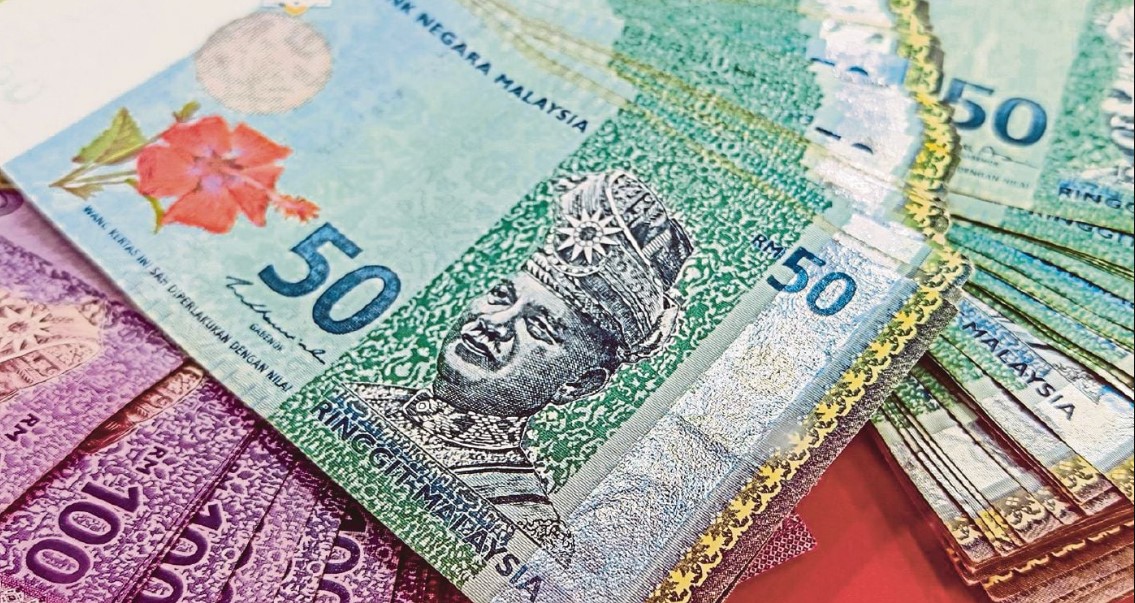
The 52-year-old regularly sends money to her ageing parents in Malaysia. In recent months, however, fluctuations in the exchange rate between the Singapore dollar and the Malaysian ringgit have prompted her to be more deliberate about the timing of those transfers.
“I always check the exchange rate on my CIMB Bank app before making a transfer,” she said.
When the rate moves in her favour, Yaw exchanges a larger amount of Singapore dollars into ringgit and sends enough money to cover several months of expenses for her parents.
“If the rate is too low, I will continue to monitor it and wait for a better rate. But if I urgently need Malaysian ringgit, then I have no choice but to still exchange the money,” she added.
Her approach reflects the decisions faced by many people who move money between Singapore and Malaysia, particularly as exchange-rate movements remain closely watched on both sides of the Causeway.
Analysts said the ringgit could weaken further against the Singapore dollar in the second half of 2026, potentially allowing recipients in Malaysia to receive more ringgit for the same amount of Singapore dollars.
The Malaysian currency has already come under pressure this year. After strengthening by 4 per cent against the Singapore dollar in 2025, the ringgit has weakened by 0.2 per cent so far in 2026.
On June 26, the ringgit was trading at 3.17 against the Singapore dollar. That was close to its six-month low of 3.21 recorded on June 22, underscoring the recent volatility in the currency pair.
The latest movements have emerged as Malaysian authorities seek to support the local currency.
Bank Negara Malaysia said on June 24 that it would step up measures aimed at strengthening the ringgit. Among the measures announced was an effort to encourage companies to repatriate and convert a larger share of their overseas earnings into the local currency.
The central bank said the move comes amid expectations of a stronger US dollar, a factor that has influenced currency markets and added pressure to regional currencies.
For individuals such as Yaw, the day-to-day impact is felt less through policy announcements than through the exchange rates displayed on banking applications and transfer platforms.
Each movement in the currency can affect how much support reaches family members across the border, making exchange-rate trends a practical concern rather than an abstract financial indicator.
As the ringgit continues to fluctuate, those regularly sending money between Singapore and Malaysia are likely to remain attentive to even small shifts in the rate, balancing immediate needs with the possibility of more favourable exchange opportunities.

Follow iNews Zoombangla On Google
Open the Google follow page and tap the checkmark option to receive more updates from iNews Zoombangla in your Google news feed.