Meta announced three new smartglasses models on June 23, marking a significant shift in how the company thinks about wearable AI. The Adventurer and Fury sell for $299 each. The Starfire, designed with Kylie Jenner, costs $399.
This is Meta’s first move away from Ray-Ban branding. The company partnered with Ray-Ban for years. Now Meta is launching its own in-house designs, targeting different demographics with different aesthetics.
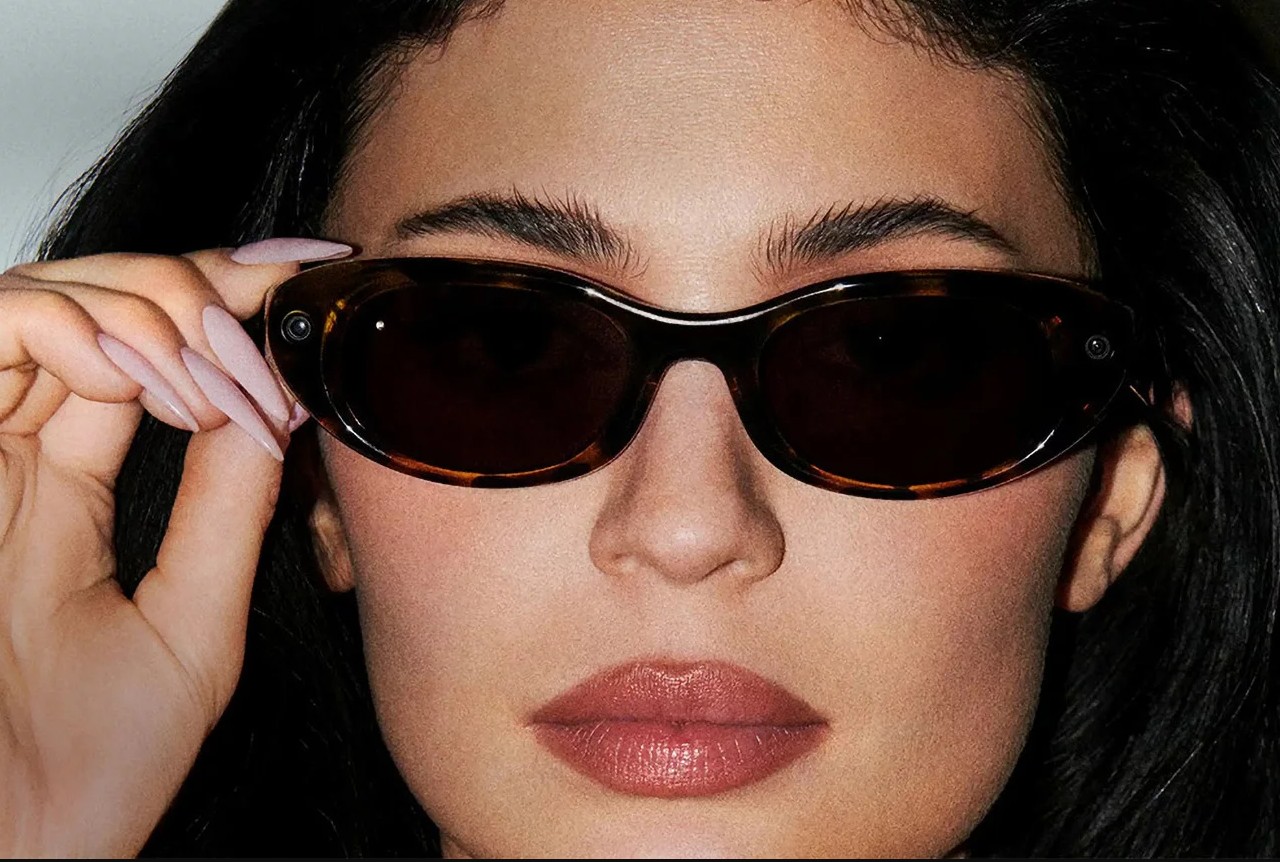
The Kylie Edition stands out. The frames are rounder, less corporate than traditional tech glasses. A small gem sits on the top right of the right lens. Kylie’s design choice was deliberate: the gem catches light like camera flashes. A nod to paparazzi constantly photographing her.
The nose bridge is metal and adjustable. Another practical detail for Kylie’s crowd. Makeup matters. You need to wipe it off without ruining the glasses.
But the real feature is the voice. The Starfire Kylie Edition uses an AI assistant that sounds like Kylie herself. Not a celebrity impersonator. Her actual voice. The AI responds to natural questions the same way Kylie might, using her phrasing and tone.
This is the direction smart glasses are heading. They’re becoming less about gimmicky features and more about making people feel like they’re interacting with someone they actually like.
The Adventurer and Fury target broader audiences. They’re priced accessibly at under $300. Available everywhere: Meta.com, Best Buy, Amazon, LensCrafters, Sunglasses Hut. Meta is treating these like actual consumer products, not tech enthusiast toys.
The company is positioning these against Google‘s upcoming Gentle Monster glasses, due later this year. Google’s collaboration with the Korean eyewear brand aims for high fashion. Meta’s approach is different. Get the glasses to everyone first. Let different designs appeal to different people.
The AI on all three models includes real-time features. You can ask questions and get answers overlaid on your vision. Point at a restaurant and ask about its reviews. Point at a plant and identify it. These are the practical uses that might actually drive adoption.
The challenge is always utility. Smartglasses have been promised for years. They’ve never quite arrived as mainstream devices. The form factor is uncomfortable for many. The battery life is short. The use cases feel forced.
But pricing matters. Under $300 is within reach for people who already buy premium sunglasses. The fashion angle is real. If Kylie wore the Starfire regularly, if other influencers adopted the Adventurer or Fury, these could become culturally visible.
Meta’s bet is that AI makes glasses useful enough to wear all day. Not just for calls or navigation. For constant, ambient interaction with information and people.
The glasses launch today.

Follow iNews Zoombangla On Google
Open the Google follow page and tap the checkmark option to receive more updates from iNews Zoombangla in your Google news feed.