Nintendo’s Direct presentation in June announced The Legend of Zelda: Ocarina of Time is coming to Nintendo Switch 2, marking the classic N64 title’s first remake for contemporary hardware. The presentation also showcased various third-party ports and previously announced titles for the new console.
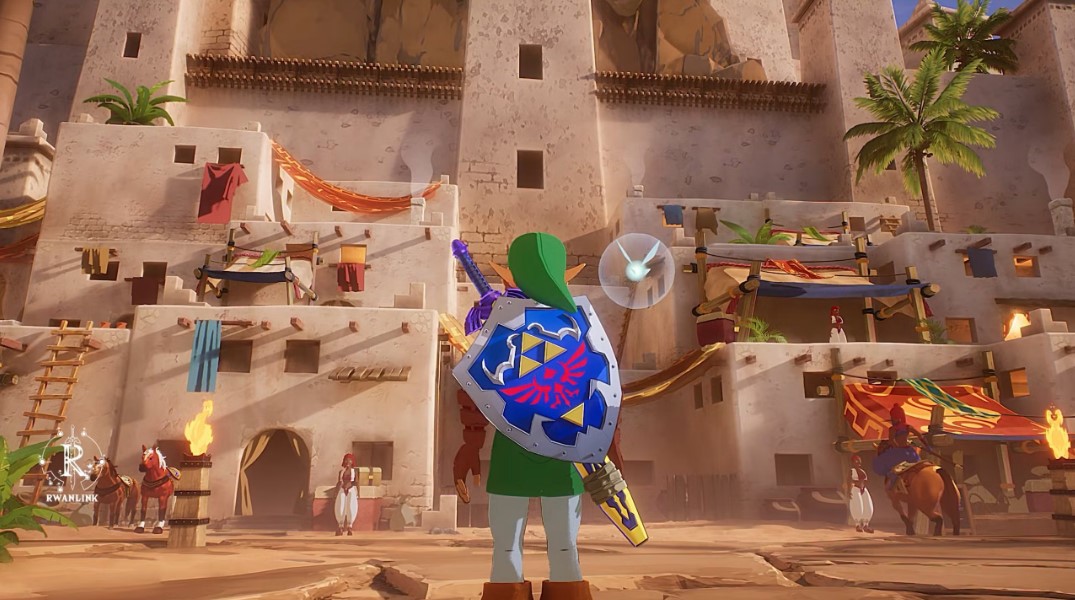
Ocarina of Time is among Nintendo’s most beloved and historically significant titles. The 1998 original redefined three-dimensional game design and established conventions that persist across the industry today. A remake for Switch 2 represents a significant commitment to the console’s launch lineup and signals Nintendo’s willingness to revisit foundational franchises.
The Direct also featured Final Fantasy VII Rebirth’s arrival on Switch 2, marking an unexpected port of PlayStation 5’s recent action RPG. The inclusion demonstrates that Switch 2 has sufficient processing power to handle demanding contemporary titles, addressing questions about the console’s technical capabilities.
The presentation included various third-party port announcements and confirmed release dates for previously announced titles. Nintendo used the Direct to paint a picture of a robust launch window with both first-party and third-party support, crucial for establishing momentum ahead of the console’s availability.
Switch 2 represents Nintendo’s bet on upgraded hardware that maintains the Switch’s hybrid form factor while delivering substantially more power. The inclusion of Zelda: Ocarina of Time suggests Nintendo views the remake as a system seller capable of driving early console adoption.
Nintendo’s strategy of remakes and ports reflects industry trends. Rather than develop entirely new games, publishers are increasingly monetizing existing franchises through remakes that offer visual upgrades and modernized gameplay. Switch 2’s technical capabilities make it suitable for bringing older, beloved titles to new audiences.

Follow iNews Zoombangla On Google
Open the Google follow page and tap the checkmark option to receive more updates from iNews Zoombangla in your Google news feed.