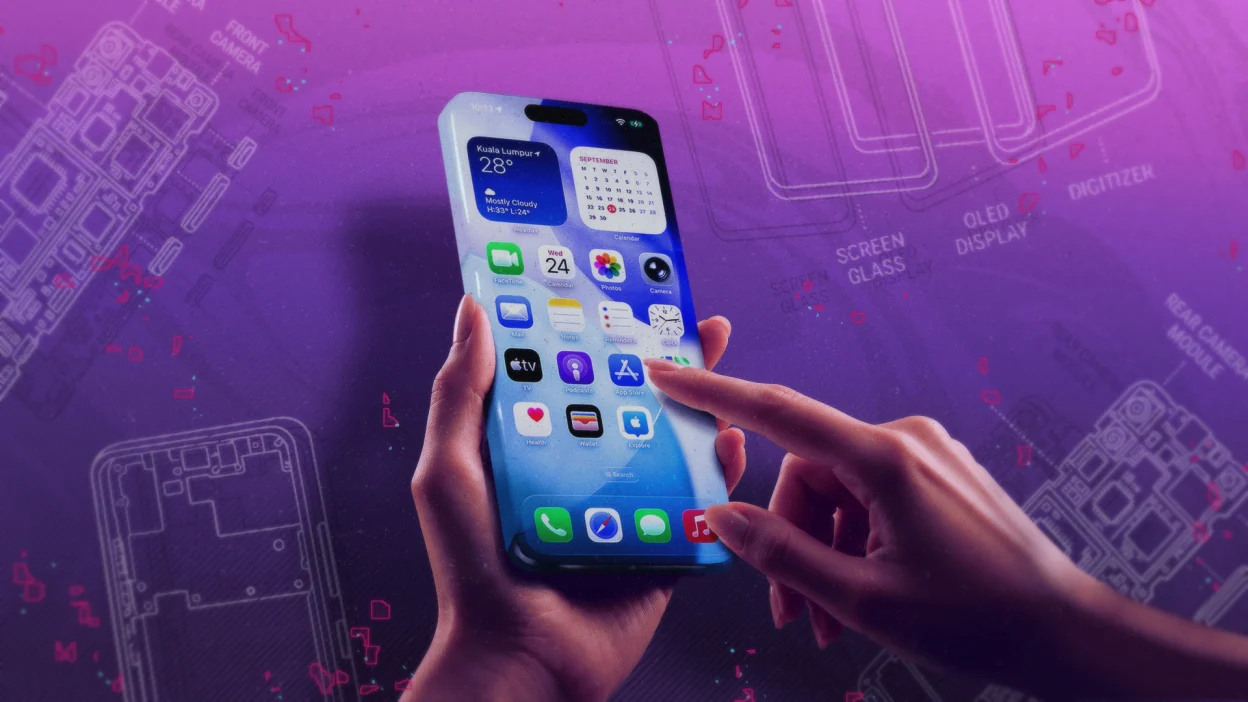
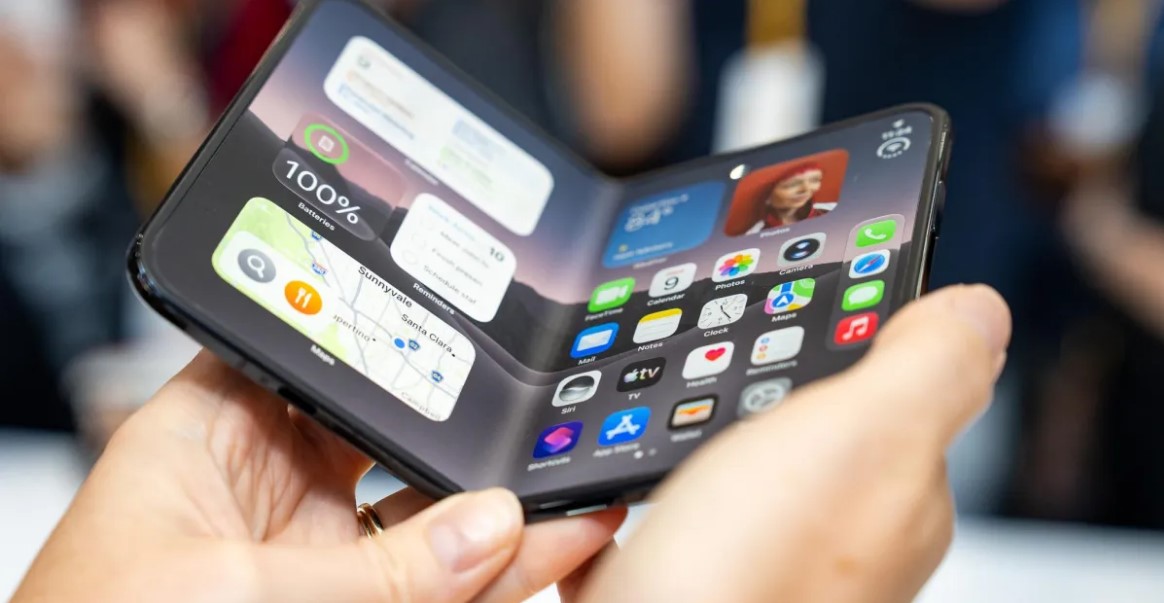
The Nothing Book is a concept laptop that lays the machine’s internals bare through transparent panels, revealing the inner architecture, cooling boards, and components in a layered composition. The secondary screen on the lid is the standout feature: a slender external display that shows messages, symbols, emojis, or custom text in the classic Nothing font.
Nothing, the hardware company founded by OnePlus co-founder Carl Pei, has built a brand around visible internals. Its phones show the circuit board through transparent backs. The Book continues that philosophy at a larger scale. The question is whether transparency in a laptop is design or gimmick.

How the Transparent Design Works
Transparent materials in laptops are harder to engineer than phones. Phones are rigid shells. Laptops flex when you open and close them. Transparent panels need to maintain strength while showing everything underneath. The Nothing Book probably uses custom acrylic or polycarbonate—materials that are durable but still see-through.
The secondary display on the lid is genuinely clever. It shows battery percentage, time, notifications, or custom designs when the laptop is closed. Users can customize what appears. It’s practical and aesthetic at once. The display probably uses a small e-ink or LCD panel that doesn’t drain much battery.
Engineering Challenges
Transparent materials expose everything, including dust, wear, and internal heating. The laptop will look dirty faster than traditional designs. Thermal performance matters more—visible cooling solutions need to work perfectly or they look like the laptop is failing. Repairs become more complex because screws and cables are visible and must align perfectly.
The Nothing Book is a concept, not a shipping product. Concepts avoid engineering reality. Building this at scale would require solving material sourcing, manufacturing consistency, and durability testing. Nothing would need custom suppliers for every transparent component. That’s expensive and time-consuming.
Market for Transparent Tech
Nothing’s audience skews young, design-conscious, and willing to pay premiums for aesthetics. The Nothing Phone 2a sold well enough to keep the company viable. A Nothing Book at premium pricing could work if it’s actually good to use, not just look at. Performance, battery life, and build quality matter more than transparency.
The concept matters more than the product itself. If Nothing releases a Book concept, competitors will copy it. Asus already makes transparent ROG laptops. OPPO and Xiaomi show internals on phones. The transparent trend is real. Nothing just pushes it further.
The Nothing Book is beautiful in concept. Whether it works in reality is another matter. Building transparent devices at scale is much harder than designing them. If Nothing ships something like this, it will be expensive and flawed. That won’t stop people from buying it.