Nvidia launched a revenue-sharing and credit-support model for AI cloud operators on July 1, allowing them to deploy Grace Blackwell GB300 GPUs without full upfront capital. Under the structure, Nvidia earns standard hardware revenue plus a recurring cut of cloud income those GPUs generate.
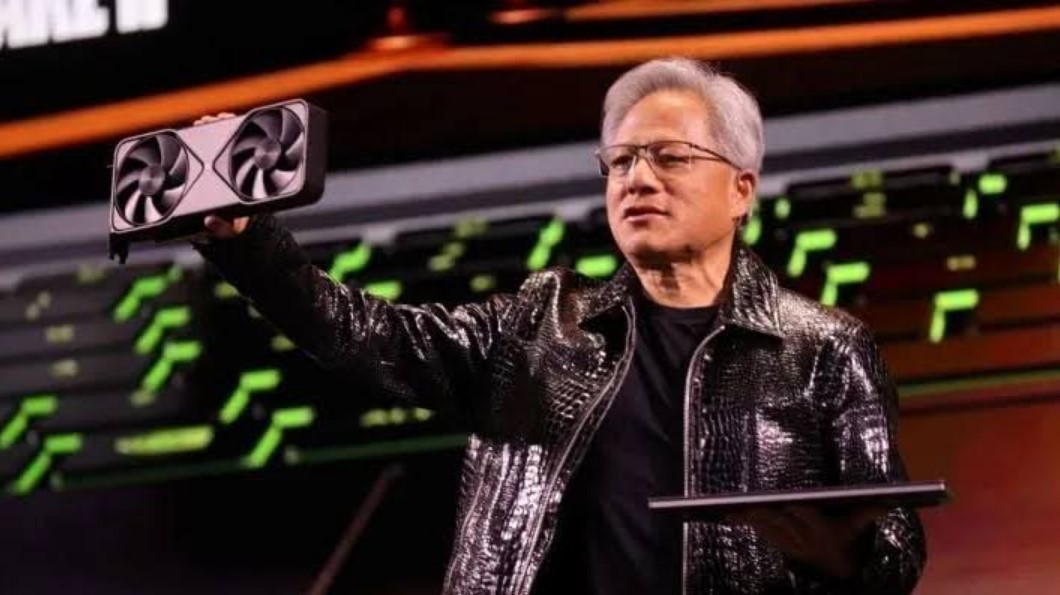
The move signals a shift in how the world’s most valuable semiconductor company makes money. GPU sales alone aren’t enough anymore. Nvidia now takes a piece of the revenue those GPUs create, betting that AI cloud is the future and wanting a share of the flywheel.
How the Financing Works
If an AI cloud operator deploys Nvidia GPUs but can’t fill compute slots, Nvidia backstops the gap. The company rents or buys back idle capacity at predetermined prices. This means Nvidia takes risk alongside its partners, not just upfront margin.
The first partners, Sharon AI and Firmus Technologies, committed to 210,000 Grace Blackwell GB300 GPUs. Sharon AI is deploying 40,000 GPUs across 72 megawatts in Australia. Firmus is building a 360-megawatt facility expecting to scale to 170,000 Nvidia GPUs in Indonesia.
What This Means for the AI Industry
Cloud operators have struggled to finance multi-billion dollar buildouts. They need GPUs now but capital later, once revenue flows. Nvidia just solved that problem, and in doing so, positioned itself as an infrastructure partner, not just a vendor.
The model could democratize AI cloud. Smaller operators that couldn’t afford $10 billion in upfront GPU purchases can now deploy scale faster. Nvidia’s bet: there’s more long-term value in taking revenue share from thousands of successful deployments than in requiring cash upfront from a few deep-pocketed buyers.
The Risk Nvidia Is Taking
Revenue sharing only works if the cloud operators succeed. If deployments fail or sit idle longer than expected, Nvidia absorbs losses. The company is essentially financing its own customers, which is fine if they thrive but costly if they don’t.
This is the trade-off: faster ecosystem growth but lower margin per dollar deployed. Over the next two years, that bet will either look brilliant or reckless.
Nvidia isn’t just selling chips anymore. It’s financing the infrastructure that uses them, betting that growth matters more than margin.
References
Bloomberg. (2026). Nvidia Offers Revenue Sharing Model for Aspiring AI Startups. Published July 2, 2026.
Tech Times. (2026). NVIDIA Revenue Sharing AI Cloud Debuts With 210,000 GPUs. Published July 4, 2026.

Follow iNews Zoombangla On Google
Open the Google follow page and tap the checkmark option to receive more updates from iNews Zoombangla in your Google news feed.