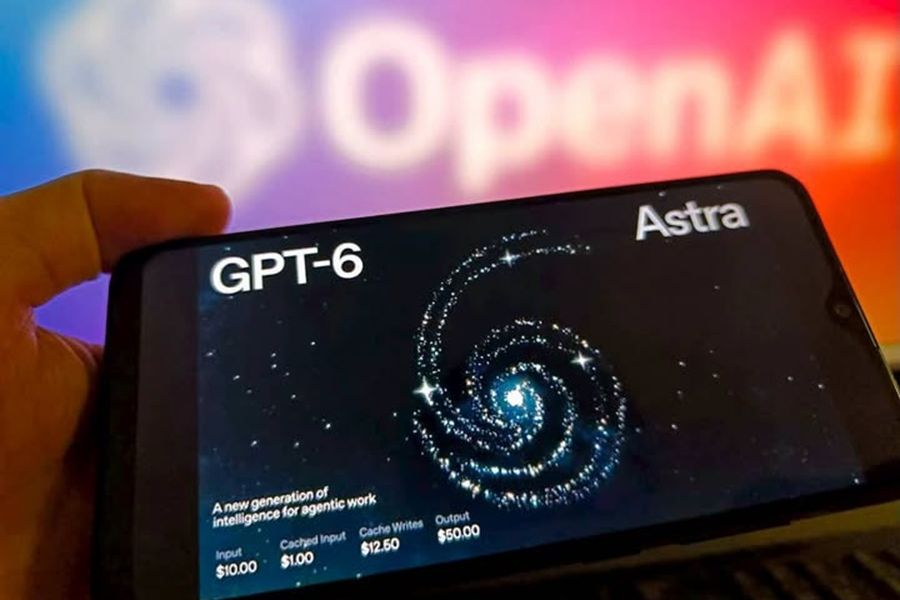
OpenAI says GPT-6 Astra is designed for professional work that requires both reasoning and interaction with a computer. In its launch material, the company describes the model as a system for coding, research, documents and other tasks where an answer is only one part of the job.

The computer-use focus matters because many office workflows do not live inside a single prompt. A researcher may need to read several documents, a developer may need to inspect a codebase, and an analyst may need to move information between tools. OpenAI says GPT-6 Astra is built to handle more of that sequence while keeping the user in control.
OpenAI also presents the model as a stronger reasoning system. The company says Astra can spend more effort on difficult questions, make judgments across multiple steps and work through professional tasks that need context. Those are OpenAI’s product claims, not a guarantee that every workflow will be completed without review.
For coding teams, the model is intended to work with existing development environments and help with tasks such as understanding code, planning a change and checking the result. Human developers still need to inspect generated code, run tests and approve changes before anything reaches production.
Document work is another area highlighted by OpenAI. GPT-6 Astra can help compare material, extract useful details and turn research into a structured draft. Users should still verify quotations, numbers and source interpretations. A model that can use a computer can move quickly, but speed does not remove the need for editorial or professional judgment.
OpenAI’s description also points to science and other specialist work. In those settings, the quality of the result depends on the data, the tools connected to the model and the person checking its conclusions. The most practical benefit may be reducing repetitive steps while leaving important decisions with the subject-matter expert.
GPT-6 Astra’s positioning is therefore broader than a chatbot that returns text. OpenAI is presenting it as a computer-capable reasoning model for real workflows. Its value will depend on how reliably it follows instructions, handles unfamiliar interfaces and signals uncertainty when the evidence is incomplete.