OpenAI proposed that the U.S. government take an equity stake of around 5 percent in the company in early July, with discussions described as conceptual and at an early stage. A 5 percent stake based on OpenAI’s March valuation of $852 billion would be worth roughly $42.6 billion.
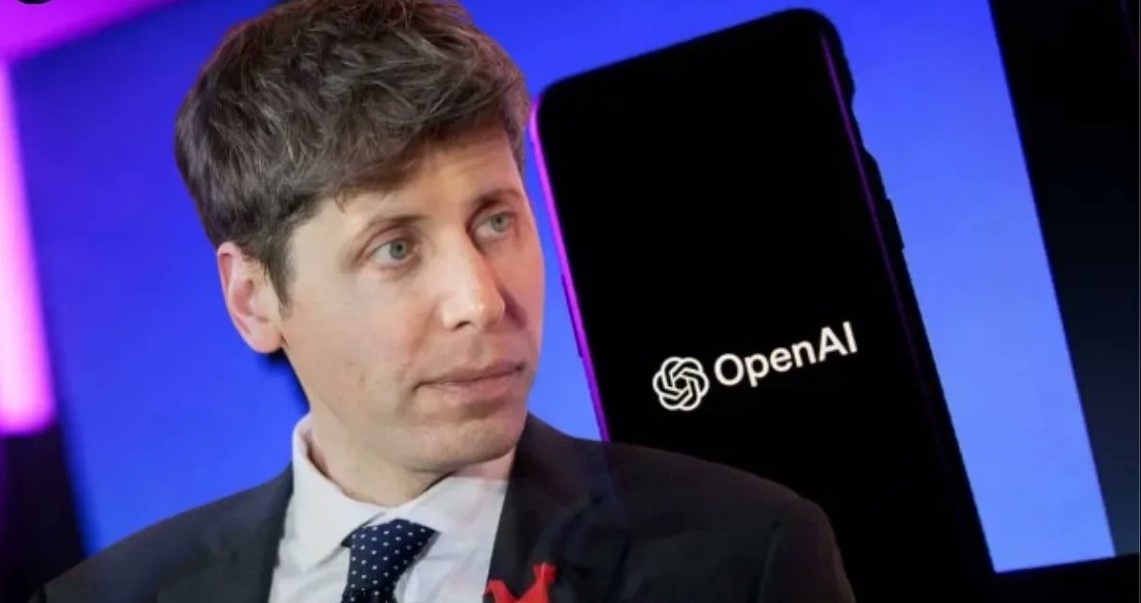
CEO Sam Altman pitched the idea to President Trump, Commerce Secretary Howard Lutnick, and Treasury Secretary Scott Bessent. He also met with Democratic Senator Bernie Sanders, suggesting an effort to build bipartisan support. The proposal frames AI wealth creation like oil extraction: a resource from which the state should capture a share to redistribute.
The Alaska Precedent and Broader Vision
Altman and other executives invoked the Alaska Permanent Fund as the model. That fund, established in 1976, captures state oil revenue and distributes it to residents. The idea: major AI companies would each allocate 5 percent of capital to a similar vehicle, creating a public benefit from private innovation.
Other AI leaders have endorsed the concept. If Google, Anthropic, Meta, and xAI each gave 5 percent of their capital to such a fund, the total would run into hundreds of billions. That money could fund education, infrastructure, or direct payments to citizens. It’s wealth redistribution through technology policy.
Why OpenAI Is Proposing This
The motivation is partly defensive. OpenAI faces regulatory pressure, export restrictions, and questions about its corporate structure. A government stake gives Washington a reason to protect the company. Also, it shifts the conversation from what the government might take by force to what companies voluntarily offer.
It’s also strategic. If this becomes policy, every AI company has to do it. Competitors face the same burden. For OpenAI, an early mover advantage becomes an industry standard, leveling the playing field.
The Political Reality
Nothing has been finalized. Financial Times described discussions as early and conceptual. Any meaningful program would require congressional action. That’s not a small ask in 2026, even with bipartisan interest.
Still, the fact that this is being proposed at all shows how much leverage Washington has over Silicon Valley. Companies don’t volunteer to give governments equity stakes unless they feel pressure. The question isn’t whether this happens. It’s what form it takes and whether other companies follow.
Sam Altman is offering the government a piece of OpenAI’s wealth before the government takes a piece by other means. It’s a smart negotiation.
References
CNN Business. (2026). OpenAI in talks to give Trump administration a 5% stake in the company. Published July 2, 2026.
Tech Times. (2026). OpenAI Offers Washington a $42.6 Billion Stake. Published July 2, 2026.

Follow iNews Zoombangla On Google
Open the Google follow page and tap the checkmark option to receive more updates from iNews Zoombangla in your Google news feed.